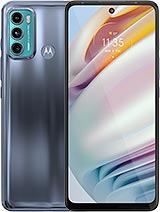
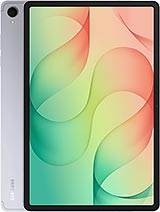
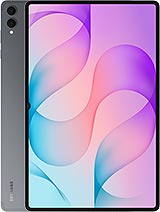
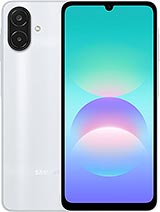
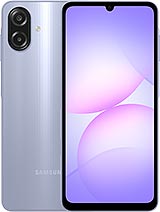
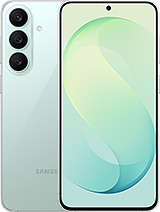
display
6.6-inch, 1080p, 120HzThe 1080p resolution at 6.6 inches gives a sharp, clean view for reading and scrolling, and the 120Hz refresh brings smooth motion to menus and list-scrolling, though demanding games may run at lower frame rates to save battery.
performance
Snapdragon 750G, Adreno 619This mid-range chip handles everyday apps, social media, and casual games at good speed, but will struggle with heavy 3D titles at high settings or sustained CPU-intensive tasks.
battery
5000mAh, roughly one full dayA 5000mAh cell with the 750G's efficiency should deliver about 6 to 8 hours of screen time on moderate to heavy use, so expect one full day between charges in typical daily-use patterns.
charging
Fast Charging, speed unlistedSamsung lists 'Fast Charging' but does not state the wattage, so exact recharge time is unknown; plan for 60 to 90 minutes to full based on typical Samsung mid-range charging speeds.
storage
128GB UFS, microSD expandableThe fixed 128GB will fill quickly on a heavy user; the microSD slot (up to 1TB) lets you add more storage for photos and video, though apps themselves must install to the internal drive.
connectivity
5G TDD (3500MHz), 4G fallbackThe phone supports 5G on the 3500MHz band where available, but relies on 4G LTE for most areas and older networks, so real-world 5G speed gain is limited outside dense urban coverage.