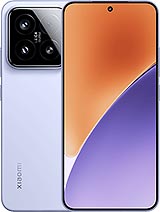
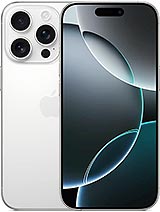
Apple iPhone 16 Pro review
This phone suits photographers and video makers who shoot daily and want genuine optical zoom and 4K/Dolby Vision video in a compact, durable frame. iPhone 15 Pro owners and regular users should only upgrade if the 5x zoom or video features actually change how they work; for everyone else, the battery trade-off and price make a standard iPhone 16 or a Galaxy S24 a better fit.
This review is based on Apple’s published specifications and public benchmark data for the Apple iPhone 16 Pro, and the rating is spec-based. GoSolo does not physically test devices; where we estimate real-world behaviour such as battery life or charge time, we say so. How we rate phones.
Overview
The iPhone 16 Pro is a compact flagship with a genuinely useful 5x optical zoom camera and bright 120Hz display, aimed at people who shoot a lot and want that power in a pocket-sized frame. It's a meaningful upgrade for iPhone 15 Pro owners who care about zoom and video, but the tiny battery and £610 price tag make it a harder sell for everyone else.
Design & Build
The iPhone 16 Pro weighs 199g and measures 8.3mm thick, slotting comfortably in a pocket without the bulk that Max models impose on everyday carry. Grade 5 titanium frame with a matte finish resists fingerprints better than polished steel, and the Ceramic Shield glass (2024 generation) rates Mohs 4, a modest boost in scratch resistance. IP68 rating means it survives 6 meters of water for 30 minutes—standard flagship durability. The rounded edges and flat sides feel intentional rather than trendy, and it's a phone that looks like it will age well. If you move phones often or travel light, this is the Pro model that doesn't demand a separate bag.
Display
The 6.3-inch LTPO Super Retina XDR OLED runs at 120Hz with a 1206×2622 resolution (460 ppi), and Apple's 2000-nit peak brightness (HDR content) makes it one of the few phones you can actually use outdoors in noon sunlight without cupping your hand around it. Scrolling is smooth and sustained; app launches don't judder. The 90.1% screen-to-body ratio means minimal bezel, and the display handles Dolby Vision HDR playback cleanly. For a 6.3-inch screen in 2024, this is exactly what you expect from a flagship, and it delivers without drama. HDR tone-mapping in real-world apps like YouTube and streaming services is competent rather than cinematic, but plenty sharp for both video and photo review in the field.
Performance
The A18 Pro (3nm, 1.87M AnTuTu score) is flagship silicon that sails through modern games at high settings and chews through 4K video editing. In daily use, you will not feel any pause launching apps or switching between them. The real-world difference between this and last year's A17 Pro is not vast—both are already overkill for scrolling social media or email—but if you shoot video or run heavy photo edits, the consistency under load matters. The 8GB of unified RAM handles multitasking and app switching without drama, though it is not a leap forward. Performance is not the reason to buy this phone; the camera and display are.
Camera
The 48MP f/1.8 wide sensor (1.22µm pixels) captures detail and holds its own in low light, and Apple's computational photography here keeps highlights from blowing out as often as rivals do. The real story is the 12MP 5x optical zoom telephoto (120mm, f/2.8, periscope design), which finally gives you a usable zoom lens in a compact frame. You can frame a person across a room or a distant building without the awful crop-noise that comes from digital zoom on cheaper phones. The 48MP ultrawide (f/2.2, 13mm) is capable but narrow in low light due to its smaller aperture. Video is where this phone shines: 4K up to 120fps, 10-bit HDR, Dolby Vision up to 60fps, and ProRes support mean you can shoot semi-professional footage and grade it on the phone itself. The 3D (spatial) video capture feels more gimmick than essential right now, but it signals where Apple is heading. For stills, the zoom is the genuine upgrade; for video, this is a content-creator phone.
Software
iOS 18 ships here and is upgradable to iOS 26.5, giving you years of support as standard. The OS feels refined and responsive on the A18 Pro, though there is nothing revolutionary in the feature set compared to iOS 17. Apple Intelligence (the on-device AI system) is gradually rolling out, but it remains light on day-to-day usefulness for most users right now. The software ceiling is very high—if you want a phone that just works and does not require constant tweaking, this delivers. But iOS is iOS: it is closed, and customization is limited compared to Android. If you value control over your phone's behavior, Android flagships offer more leeway.
Battery & Charging
The 3582mAh battery yields roughly 13 to 16 hours of screen-on time depending on use. That means moderate users (social media, calls, light photo work) land at evening; heavy video watchers or mobile gamers will see 15% warning by late afternoon. For a flagship, this is tight—most rivals in this tier carry 4500mAh or larger. The 25W wired charging hits 50% in 30 minutes, which is useful for a quick top-up before you leave the house, but a full charge still takes over an hour. Wireless charging maxes at 25W via MagSafe or 15W Qi2, neither of which changes the overall charging story. If you are a light user or always have access to power by mid-afternoon, this is fine. If you shoot video all day or do not charge at work, plan to carry a power bank.
Value & Verdict
At £610 ($575 USD, €715 EU), the iPhone 16 Pro sits in flagship territory where people cross-shop it against the Galaxy S24 Ultra, Pixel 9 Pro XL, and other premium handsets. What you are actually paying for is the 5x telephoto zoom and the compact size; both are genuine strengths that justify the price for photographers and videographers. The camera system is a meaningful upgrade over the 15 Pro if zoom matters to you; the A18 Pro performance is not. For regular iPhone users coming from anything older than the 15 Pro, the speed and camera combination is compelling. But if you own a 15 Pro and do not shoot video, the upgrade is cosmetic. The battery life concern is real for anyone who works away from power for long days. The phone is made for people who value creating content and want Pro-level performance in a pocketable body.
Verdict
This phone suits photographers and video makers who shoot daily and want genuine optical zoom and 4K/Dolby Vision video in a compact, durable frame. iPhone 15 Pro owners and regular users should only upgrade if the 5x zoom or video features actually change how they work; for everyone else, the battery trade-off and price make a standard iPhone 16 or a Galaxy S24 a better fit.
- 5x optical zoom telephoto that actually lets you frame distant subjects without cropping into mush
- 120Hz 2000-nit OLED display that stays readable in sunlight and scrolls smoothly
- 25W charging hits 50% in 30 minutes; enough to recover an afternoon on a half-hour sit-down
- Compact and light at 199g with titanium frame, making it genuinely pocketable compared to the Plus model
- 3582mAh battery pushes a full day only with moderate use; heavy shooters or video watchers will hit 15% by evening
- 25W charging is slow compared to 100W+ rivals in this price tier; you still need another hour or two for a full charge
- No major spec leap over the 15 Pro; the A18 Pro delivers the same real-world smoothness as the A17 Pro did last year
Apple iPhone 16 Pro Key Specifications
The essentials at a glance. See the full spec sheet.
| Released | 2024, September 09 |
|---|---|
| Display | 6.3 inches, 96.4 cm2 (~90.1% screen-to-body ratio), LTPO Super Retina XDR OLED, 120Hz, HDR10, Dolby Vision, 1000 nits (typ), 2000 nits (HBM) |
| Resolution | 1206 x 2622 pixels, 19.5:9 ratio (~460 ppi density) |
| Chipset | Apple A18 Pro (3 nm) |
| RAM & storage | 128GB 8GB RAM, 256GB 8GB RAM, 512GB 8GB RAM, 1TB 8GB RAM |
| Main camera | 48 MP, f/1.8, 24mm (wide), 1/1.28", 1.22µm, dual pixel PDAF, sensor-shift OIS 12 MP, f/2.8, 120mm (periscope telephoto), 1/3.06", 1.12µm, dual pixel PDAF, 3D sensor‑shift OIS, 5x optical zoom 48 MP, f/2.2, 13mm (ultrawide), 1/2.55", 0.7µm, PDAF TOF 3D LiDAR scanner (depth) |
| Selfie camera | 12 MP, f/1.9, 23mm (wide), 1/3.6", 1.0µm, PDAF, OIS SL 3D, (depth/biometrics sensor) |
| Battery | 3582 mAh |
| Charging | Wired, PD2.0, 50% in 30 min25W wireless (MagSafe), 15W wireless (China only)15W wireless (Qi2)4.5W reverse wired |
| Software | iOS 18, upgradable to iOS 26.5 |
| Dimensions | 149.6 x 71.5 x 8.3 mm (5.89 x 2.81 x 0.33 in) |
| Weight | 199 g (7.02 oz) |
| Build | Glass front (Ceramic Shield), glass back, titanium frame (grade 5) |
| Durability | IP68 dust tight and water resistant (immersible up to 6m for 30 min) Apple Pay (Visa, MasterCard, AMEX certified) |
| Network | GSM / CDMA / HSPA / EVDO / LTE / 5G |
| NFC | Yes |
| USB | USB Type-C 3.2 Gen 2, DisplayPort |
Apple iPhone 16 Pro FAQ
Common questions, answered from the spec sheet.
Does the iPhone 16 Pro support 5G?
Yes. The iPhone 16 Pro supports 5G networks.
What chipset does the iPhone 16 Pro use?
The iPhone 16 Pro runs on the Apple A18 Pro (3 nm).
What display does the iPhone 16 Pro have?
A 6.3 inches, 96.4 cm2 (~90.1% screen-to-body ratio) LTPO Super Retina XDR OLED, 120Hz, HDR10, Dolby Vision, 1000 nits (typ), 2000 nits (HBM), 1206 x 2622 pixels, 19.5:9 ratio (~460 ppi density).
How big is the iPhone 16 Pro battery?
The iPhone 16 Pro has a 3582 mAh battery. Charging is rated at Wired, PD2.0, 50% in 30 min25W wireless (MagSafe), 15W wireless (China only)15W wireless (Qi2)4.5W reverse wired.
Does the iPhone 16 Pro have NFC?
Yes, the iPhone 16 Pro has NFC.
Is the iPhone 16 Pro water resistant?
The iPhone 16 Pro carries a IP68 dust tight and water resistant (immersible up to 6m for 30 min) Apple Pay (Visa, MasterCard, AMEX certified) rating.
Does the iPhone 16 Pro support a microSD card?
No, the iPhone 16 Pro does not support expandable storage.
Does the iPhone 16 Pro have a headphone jack?
No, the iPhone 16 Pro does not have a 3.5mm headphone jack.
Alternatives to consider
If the iPhone 16 Pro isn’t quite right, these are the closest calls.
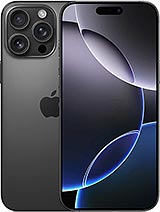
iPhone 16 Pro Max
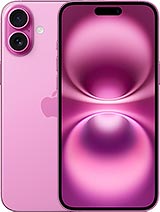
iPhone 16 Plus
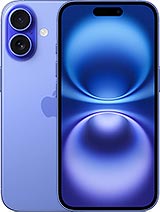
iPhone 16
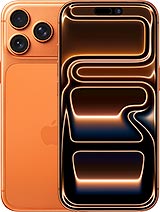
iPhone 17 Pro Max
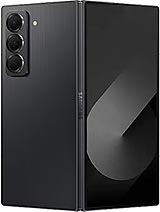
Galaxy Z Fold Special