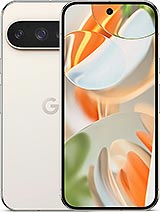
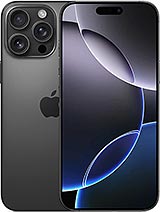
Apple iPhone 16 Pro Max review
This phone suits someone already invested in iOS who values the 5x optical zoom, can tolerate the weight, and is willing to pay flagship prices for predictable software support and a mature ecosystem. Anyone shopping primarily on performance, charging speed, or value-per-dollar should look at the iPhone 16 (non-Pro) or consider the current Android tier instead."
This review is written with AI assistance from Apple’s published specifications and public benchmark data for the Apple iPhone 16 Pro Max, and the rating is spec-based. GoSolo does not physically test devices; where we estimate real-world behaviour such as battery life or charge time, we say so. How we rate phones.
Overview
The iPhone 16 Pro Max is a large, imposing flagship driven by the A18 Pro chip and a camera array that remains a benchmark for computational photography, even if the marginal gains from the iPhone 15 Pro Max are modest. For most buyers in 2024, it is the safest expensive phone choice, though the cost and heft exact a real toll on everyday usability.
Design & Build
The titanium frame and Ceramic Shield front feel robust and age well under daily wear. At 227 grams and 8.3mm thick, it is among the heaviest large phones on the market—noticeably so if you switch from an iPhone 15 Pro Max or most Android flagships. Pocket carry becomes a deliberate choice rather than automatic. The build quality itself is exceptional: no creaks, solid feel in hand, and the matte finish resists fingerprints. But weight matters in repeated use, especially one-handed, and Apple's industrial design here prioritizes material prestige over practical lightness.
Display
The 6.9-inch Super Retina XDR is a mature, well-executed OLED panel. It hits 1000 nits typical and 2000 nits peak brightness in HDR, which means video playback and photo review are confident even in sunlight. 120Hz refresh is smooth, color rendering is true without sensationalism, and the 460-ppi density is fine enough to be invisible at normal viewing distance. The Ceramic Shield glass is tougher than standard Gorilla Glass and justifies the higher break resistance you see in durability tests. There is nothing to complain about here; it is simply one of the best phone screens you can buy.
Performance
The A18 Pro is overkill for any task available in iOS 18 or foreseeable in the next few years. Frame rates in games, export times for 8K ProRes video, multitasking responsiveness—all are instant and effortless. Versus the iPhone 16 (non-Pro), the Pro variant adds a 6-core GPU and slightly higher clock speeds, but in daily use the difference is imperceptible unless you are pushing 8K or heavily threaded apps. The real benefit is longevity: this chip will sustain iOS updates and app demands for at least five or six years without struggling. For the price, it is a masterclass in overdoing performance, but that is also the point: you are not bottlenecked by silicon, ever.
Software
iOS 18 is a mature, predictable ecosystem. Apple Intelligence features—on-device image generation, writing tools, call recording transcription—are useful but rolled out gradually and feel less complete than the marketing suggests. The OS is stable, updates arrive reliably, and app compatibility is near-universal. That consistency is both iOS's greatest strength and its limitation: you know what you are getting, feature surprise is rare, and customization is still locked in a walled garden. If you value control over simplicity, Android remains the more flexible path. For most buyers, however, the simplicity is the selling point, and iOS 18 delivers it without fanfare.
Camera
The camera system is where this phone earns its flagship price. The periscope 5x telephoto is the star: 12MP at 120mm with optical image stabilization and dual pixel PDAF yields zoom shots that remain crisp and detailed even at 5x or cropped tighter, in daylight or moderate low light. The 48MP wide and ultrawide sensors are solid but represent a small leap from the iPhone 15 Pro Max. In controlled light, edge sharpness and dynamic range are excellent; in shadows and tungsten indoor scenes, computational photography still feels faster and cleaner than Android rivals. Night mode remains one of the fastest ISO ramps on any phone. Video capture in 4K at up to 120fps with Dolby Vision and spatial audio is technically comprehensive, though the on-device storage required to keep ProRes footage is impractical for most users. The 5x zoom alone justifies the Pro tier; the rest is incremental.
Battery & Charging
The 4685 mAh battery delivers roughly a full day of moderate use, or 18 to 20 hours of mixed tasks. That is inline with other large phones, but the charging speeds are conspicuously slow in 2024. Wired charging tops out at 25W, reaching 50% in 30 minutes; MagSafe wireless matches that at 25W. Competitors at this price are now delivering 100W+ wired and charging to full in 20 to 30 minutes flat. Apple's argument—slow charging is gentler on long-term battery health—is technically sound but feels outdated when rivals offer both speed and longevity. Expect to charge overnight or carry a charger; rapid top-ups are not in the cards. Reverse wireless charging at 4.5W is a nice gimmick but too slow to be routine.
Value & Verdict
At €1,091 (or $853 USD equivalent), the iPhone 16 Pro Max is expensive even by flagship standards. The A18 Pro's horsepower is excessive for any app available today. The periscope 5x camera is a genuine optical advantage and the computational photography is still among the best in the industry. But the iterative nature of the upgrade from last year, the slow charging, the weight, and the premium you pay for the largest screen all add up. If you are in the Apple ecosystem and absolutely need a large phone, this is the only current choice. For Android buyers or those coming from an iPhone 15 Pro Max, the delta in real-world capability is small enough that waiting another year is reasonable.
Verdict
This phone suits someone already invested in iOS who values the 5x optical zoom, can tolerate the weight, and is willing to pay flagship prices for predictable software support and a mature ecosystem. Anyone shopping primarily on performance, charging speed, or value-per-dollar should look at the iPhone 16 (non-Pro) or consider the current Android tier instead."
- A18 Pro delivers overkill processing power for any task in 2024, from gaming to 8K video, with headroom for years of software updates
- Periscope 5x telephoto is the defining optical advantage over rivals; meaningful zoom without visible quality loss in daylight
- Computational photography—especially Night mode, Smart HDR, and spatial video—sets a standard that Android vendors still chase
- 6.9-inch Super Retina XDR display is genuinely excellent: bright, color-accurate, 120Hz, and built to last with Ceramic Shield
- At 227g and 8.3mm thick, it is objectively bulky and tiring to hold for extended periods compared to rivals in the large-phone category
- Charging maxes out at 25W wired and 25W wireless—slow by 2024 standards when competitors hit 100W+ and charge to full in under 30 minutes
- The camera upgrade from iPhone 15 Pro Max is iterative: 48MP wide and ultrawide are modest improvements in most conditions; main leap is in the 5x zoom alone
Apple iPhone 16 Pro Max Key Specifications
The essentials at a glance. See the full spec sheet.
| Released | 2024, September 20 |
|---|---|
| Display | 6.9 inches, 115.6 cm2(~91.4% screen-to-body ratio), LTPO Super Retina XDR OLED, 120Hz, HDR10, Dolby Vision, 1000 nits (typ), 2000 nits (HBM) |
| Resolution | 1320 x 2868 pixels, 19.5:9 ratio (~460 ppi density) |
| Chipset | Apple A18 Pro (3 nm) |
| RAM & storage | 256GB 8GB RAM, 512GB 8GB RAM, 1TB 8GB RAM |
| Main camera | 48 MP, f/1.8, 24mm (wide), 1/1.28", 1.22µm, dual pixel PDAF, sensor-shift OIS12 MP, f/2.8, 120mm (periscope telephoto), 1/3.06", 1.12µm, dual pixel PDAF, 3D sensor‑shift OIS, 5x optical zoom48 MP, f/2.2, 13mm (ultrawide), 1/2.55", 0.7µm, PDAFTOF 3D LiDAR scanner (depth) |
| Selfie camera | 12 MP, f/1.9, 23mm (wide), 1/3.6", 1.0µm, PDAF, OISSL 3D, (depth/biometrics sensor) |
| Battery | 4685 mAh |
| Charging | Wired, PD2.0, 50% in 30 min25W wireless (MagSafe), 15W wireless (China only)15W wireless (Qi2)4.5W reverse wired |
| Software | iOS 18, upgradable to iOS 26 |
| Dimensions | 163 x 77.6 x 8.3 mm (6.42 x 3.06 x 0.33 in) |
| Weight | 227 g (8.01 oz) |
| Build | Glass front (Ceramic Shield), glass back, titanium frame (grade 5) |
| Durability | IP68 dust tight and water resistant (immersible up to 6m for 30 min)Apple Pay (Visa, MasterCard, AMEX certified) |
| Network | GSM / CDMA / HSPA / EVDO / LTE / 5G |
| NFC | Yes |
| USB | USB Type-C 3.2 Gen 2, DisplayPort |
Apple iPhone 16 Pro Max FAQ
Common questions, answered from the spec sheet.
Does the iPhone 16 Pro Max support 5G?
Yes. The iPhone 16 Pro Max supports 5G networks.
What chipset does the iPhone 16 Pro Max use?
The iPhone 16 Pro Max runs on the Apple A18 Pro (3 nm).
What display does the iPhone 16 Pro Max have?
A 6.9 inches, 115.6 cm2(~91.4% screen-to-body ratio) LTPO Super Retina XDR OLED, 120Hz, HDR10, Dolby Vision, 1000 nits (typ), 2000 nits (HBM), 1320 x 2868 pixels, 19.5:9 ratio (~460 ppi density).
How big is the iPhone 16 Pro Max battery?
The iPhone 16 Pro Max has a 4685 mAh battery. Charging is rated at Wired, PD2.0, 50% in 30 min25W wireless (MagSafe), 15W wireless (China only)15W wireless (Qi2)4.5W reverse wired.
Does the iPhone 16 Pro Max have NFC?
Yes, the iPhone 16 Pro Max has NFC.
Is the iPhone 16 Pro Max water resistant?
The iPhone 16 Pro Max carries a IP68 dust tight and water resistant (immersible up to 6m for 30 min)Apple Pay (Visa, MasterCard, AMEX certified) rating.
Does the iPhone 16 Pro Max support a microSD card?
No, the iPhone 16 Pro Max does not support expandable storage.
Does the iPhone 16 Pro Max have a headphone jack?
No, the iPhone 16 Pro Max does not have a 3.5mm headphone jack.
Alternatives to consider
If the iPhone 16 Pro Max isn’t quite right, these are the closest calls.
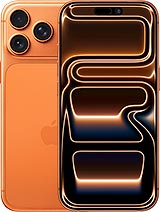
iPhone 17 Pro Max
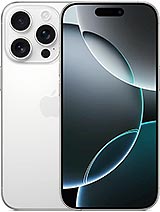
iPhone 16 Pro
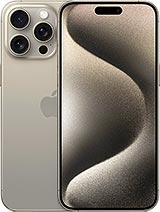
iPhone 15 Pro Max
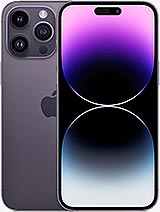
iPhone 14 Pro Max
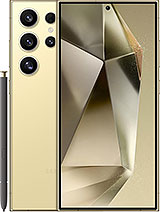
Galaxy S24 Ultra