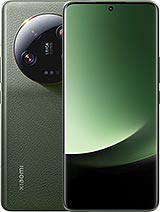
Asus ROG Phone 7 Ultimate review
Buy this if mobile gaming is a core part of your phone use and you value sustained performance without throttle. Otherwise, the weight, bulk, and high price make a standard flagship a better fit for general daily use and content consumption.

This review is based on Asus’s published specifications and public benchmark data for the Asus ROG Phone 7 Ultimate, and the rating is spec-based. GoSolo does not physically test devices; where we estimate real-world behaviour such as battery life or charge time, we say so. How we rate phones.
Overview
The ROG Phone 7 Ultimate is a gaming phone built for sustained high-end performance, with active cooling, a 165Hz AMOLED display, and a Snapdragon 8 Gen 2 that runs demanding titles at high settings without choking. At 780 EUR, it costs more than mainstream flagships but delivers real perks if you actually game or create video on your phone; for everyone else, the cooler and aggressive build feel like overkill.
Design & build
The ROG Phone 7 Ultimate is a slab designed for grip and heat dissipation, not pocket elegance. At 239 grams and 10.3mm thick, it is noticeably heavier and bulkier than a Samsung S24 or similar flagship; the visible motorized cooling vent and pressure-sensitive side buttons add gaming flair but also underscore that this is a purpose-built tool. The glass back and Victus front are durable enough, though the back uses older Gorilla Glass 3, and IP54 rating leaves you unprotected against deeper water immersion. If you carry this phone casually, the weight compounds over time. For gamers with a bag or dedicated pocket, it barely registers.
Display
The 165Hz AMOLED is where this phone justifies its premium. Scrolling through feeds or maps is visibly smoother than 120Hz, and the 1500-nit peak brightness (1000 nits sustained) keeps text legible under direct sunlight—a rarity at this price. The 1080 x 2448 resolution is an odd tall ratio, but at 395 ppi it stays sharp enough for gaming and media. HDR10+ support means video content pops. For side-by-side comparison, most flagships hit 120Hz now, and many match the brightness; the 165Hz is the differentiator here, and it noticeably enhances gaming responsiveness and scrolling feel.
Performance
The Snapdragon 8 Gen 2 and Adreno 740 are the real story. This chip sustains high clocks and frame rates longer than most because of the motorized cooling vent pushing air through the chassis—run Genshin Impact or Honkai Star Rail at high settings, and you stay at 60fps where uncooked flagships drop to 40-50fps after a few minutes. The vent is audible and adds thermals overhead, but the trade-off is tangible. AnTuTu scores hit 1.33M, which is flagship-tier for 2023. If you are not a mobile gamer or video editor, this is power you will never use; for anyone who is, it is the strongest selling point.
Software
Android 13 with ROG's gaming overlay and optimization suite (ROG Dex, air triggers) adds competitive perks if you care about key-mapping and performance modes. The phone promises two major Android upgrades, so you should see Android 15 before the support window closes. Nothing revolutionary here—stock Android or Samsung's OneUI feel snappier to most people—but the extras are non-invasive and genuinely useful for gaming.
Camera
The 50MP f/1.9 main camera with 1.0µm pixels is a strength. Large aperture and big pixels mean good light-gathering, so daylight shots are sharp and colorful, and low-light scenes retain detail without excessive noise reduction artifact. The 13MP ultrawide at 120 degrees and f/2.2 is competent but feels constrained by this generation's standards; rivals often pair 50MP ultrawides or macro specialists, so wide-angle shots lack drama. The 5MP macro is a gimmick. Video capture goes up to 8K at 24fps, though 4K at 60fps is where you will spend your time. For a gaming phone, the camera is solid but not the focus; it is good enough that you will not feel shorted, though it is not why you buy this device.
Battery & charging
The 6000mAh battery sustains about 10 to 12 hours of mixed use—browsing, messaging, light gaming. Sustained full-load gaming will drain it in 4 to 5 hours, so if you are camping in a multiplayer lobby, top-ups become urgent. The 65W charger refills to full in roughly 42 minutes, which is fast enough that you can top up between sessions. No wireless charging, which is a minor miss for a device at this price, but the wired speed compensates. For gamers, this is a reasonable balance; casual users might feel the battery depletes too fast under normal load.
Value & verdict
At 780 EUR, this is a niche buy. You are paying a premium for cooling, a 165Hz display, and gaming-focused hardware; if you do not game on your phone or edit video on the go, a Pixel 8 or Galaxy S24 delivers a smoother, lighter, more versatile flagship for less money. But if you play Genshin Impact, edit clips, or use your phone as a portable gaming device, the thermals and performance consistency justify the cost. The weight and thickness are real drawbacks outside of gaming; the ultrawide camera and water rating (IP54, not IP67) are compromises. This is a confident phone that does not pretend to be something it is not. Respect that.
Verdict
Buy this if mobile gaming is a core part of your phone use and you value sustained performance without throttle. Otherwise, the weight, bulk, and high price make a standard flagship a better fit for general daily use and content consumption.
- Motorized cooling vent (AeroActive Portal) keeps the Snapdragon 8 Gen 2 from throttling during sustained gaming and video editing—noticeably steadier performance than non-cooled flagships.
- 165Hz AMOLED display with 1500 nits peak brightness makes scrolling buttery smooth and text readable in direct sunlight, rare in this generation.
- 50MP f/1.9 main camera with large pixels (1.0µm) captures sharp, low-noise shots in daylight and holds its own in dim light without excessive noise reduction blur.
- 65W charging refills the 6000mAh battery in about 42 minutes, making top-ups practical between gaming sessions.
- At 239g and 10.3mm thick, it is heavier and chunkier than mainstream flagships; the air vent and gaming triggers add heft that casual users will resent.
- Only IP54 water resistance means dust and splashes are okay, but no IP67 or higher—not a full flagship waterproofing standard.
- The 13MP ultrawide is narrow by 2024 standards (120 degrees, f/2.2); rivals often pair tighter ultrawides with better macro, so wide shots lack the drama phones at this price usually offer.
Asus ROG Phone 7 Ultimate Key Specifications
The essentials at a glance. See the full spec sheet.
| Released | 2023, April 13 |
|---|---|
| Display | 6.78 inches, 109.5 cm2 (~82.2% screen-to-body ratio), AMOLED, 1B colors, 165Hz, HDR10+, 1000 nits (HBM), 1500 nits (peak) |
| Resolution | 1080 x 2448 pixels (~395 ppi density) |
| Chipset | Qualcomm SM8550-AB Snapdragon 8 Gen 2 (4 nm) |
| RAM & storage | 512GB 16GB RAM |
| Main camera | 50 MP, f/1.9, 24mm (wide), 1/1.56", 1.0µm, PDAF 13 MP, f/2.2, 13mm, 120˚ (ultrawide) 5 MP (macro) |
| Selfie camera | 32 MP, f/2.5, 29mm (wide), 1/3.2", 0.7µm |
| Battery | 6000 mAh |
| Charging | 65W wired, PD3.0, QC5, 100% in 42 min10W reverse wired |
| Software | Android 13, up to 2 major Android upgrades |
| Dimensions | 173 x 77 x 10.3 mm (6.81 x 3.03 x 0.41 in) |
| Weight | 239 g (8.43 oz) |
| Build | Glass front (Gorilla Glass Victus), glass back (Gorilla Glass 3), aluminum frame |
| Durability | Built-in motorized cooling air vent (AeroActive Portal) IP54 dust protected and water resistant (water splashes) 2" OLED display (on the back) Pressure sensitive zones (Gaming triggers) |
| Network | GSM / CDMA / HSPA / LTE / 5G |
| NFC | Yes |
| USB | USB Type-C 3.1 (side), DisplayPort 1.4; USB Type-C 2.0 (bottom), OTG, accessory connector |
Asus ROG Phone 7 Ultimate FAQ
Common questions, answered from the spec sheet.
Does the ROG Phone 7 Ultimate support 5G?
Yes. The ROG Phone 7 Ultimate supports 5G networks.
What chipset does the ROG Phone 7 Ultimate use?
The ROG Phone 7 Ultimate runs on the Qualcomm SM8550-AB Snapdragon 8 Gen 2 (4 nm).
What display does the ROG Phone 7 Ultimate have?
A 6.78 inches, 109.5 cm2 (~82.2% screen-to-body ratio) AMOLED, 1B colors, 165Hz, HDR10+, 1000 nits (HBM), 1500 nits (peak), 1080 x 2448 pixels (~395 ppi density).
How big is the ROG Phone 7 Ultimate battery?
The ROG Phone 7 Ultimate has a 6000 mAh battery. Charging is rated at 65W wired, PD3.0, QC5, 100% in 42 min10W reverse wired.
Does the ROG Phone 7 Ultimate have NFC?
Yes, the ROG Phone 7 Ultimate has NFC.
Is the ROG Phone 7 Ultimate water resistant?
The ROG Phone 7 Ultimate carries a Built-in motorized cooling air vent (AeroActive Portal) IP54 dust protected and water resistant (water splashes) 2" OLED display (on the back) Pressure sensitive zones (Gaming triggers) rating.
Does the ROG Phone 7 Ultimate support a microSD card?
No, the ROG Phone 7 Ultimate does not support expandable storage.
Does the ROG Phone 7 Ultimate have a headphone jack?
Yes, the ROG Phone 7 Ultimate has a 3.5mm headphone jack.
Alternatives to consider
If the ROG Phone 7 Ultimate isn’t quite right, these are the closest calls.
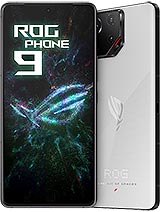
ROG Phone 7
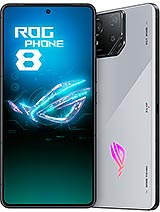
ROG Phone 8

ROG Phone 5 Ultimate
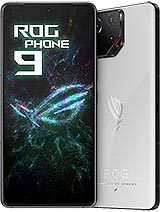
ROG Phone 9
Galaxy S23 Ultra