Blackview BV8900 review
The BV8900 is a specialist tool for outdoor and industrial work, not a phone for the desk. Its durability, thermal camera, and massive battery matter intensely to field workers and utterly irrelevant to everyone else shopping for €300 phones.
This review is based on Blackview’s published specifications and public benchmark data for the Blackview BV8900, and the rating is spec-based. GoSolo does not physically test devices; where we estimate real-world behaviour such as battery life or charge time, we say so. How we rate phones.
Overview
The BV8900 is a rugged field phone built for durability and thermal imaging rather than performance or camera finesse. It suits outdoor workers and remote travelers who need a phone that survives drops and water; most others will find the Helio P90 and 1080p display dated for 2023.
Design & build
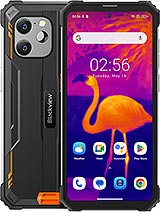
At 398g and 19.8mm thick, the BV8900 feels like a device that expects to be dropped. The heft is deliberate—this is a phone clad for punishment, not pocket lightness. IP68/IP69K rating means it survives submersion to 1.5 meters for half an hour and shrugs off high-pressure water jets; MIL-STD-810H compliance means it has passed U.S. military durability tests for impacts, temperature swings, and vibration. Drop it from waist height and walk away. That durability comes at a cost: this phone is not sleek, and buyers expecting a slim, modern slab will be disappointed. For construction workers, field technicians, rural farmers, and outdoor guides—the actual audience for this device—the trade is obvious and worth it.
Display
The 6.5-inch IPS LCD delivers 1080p at 406 ppi, which is sharp enough for reading text and browsing without squinting. Gorilla Glass Victus offers a small edge in scratch resistance over older versions. The problem is context: in 2023, 1080p on a 6.5-inch phone is acceptable but not compelling. The display is washed out in direct sunlight, colors lack the punch of an AMOLED panel, and the 60Hz refresh feels sluggish compared to the 90Hz or 120Hz that rival mid-range phones had already normalized. For reading maps, checking tools, or reviewing field notes—genuine rugged-phone use cases—it works. For anyone wanting smooth scrolling or vivid outdoor visibility, it lags the standard.
Performance
The Mediatek Helio P90 is an entry-level chip, and this phone's performance tracks that plainly. Apps open with a perceptible delay, multitasking brings stutters when you have more than a handful of tasks in memory, and any mobile game with demanding graphics will force you to turn settings down. Office work, messaging, calling, light web browsing, and navigation all function smoothly. The 8GB of RAM helps hide some of the chipset's limitations. This is a phone that gets the job done but does not sprint, and that is fine for a device meant for field use where speed is not the selling point. Heavier tasks like video editing or running processor-intensive apps will frustrate.
Software
Android 13 ships with Doke-OS 3.1, Blackview's custom overlay. It adds a few niche features tied to rugged use—flashlight modes, quick access to emergency tools, and integration with the thermal camera—but mostly steps out of the way. The thermal imaging app is genuinely useful and not something you can bolt on with a third-party alternative. Android 13 itself is now three versions behind the latest, and given Blackview's track record, major updates may be sparse. For most users, the experience feels standard; for thermal work or emergency response, it is a point ahead.
Camera
The 64MP f/1.8 main camera with optical image stabilization and phase-detect autofocus handles typical phone shots with competence. Well-lit daytime photos are detailed and sharp, and the stabilization steadies video and low-light stills noticeably. The thermal camera—a FLIR Lepton module—is the genuine differentiator. Where most phones offer a zoom or macro gimmick, this gives you heat visualization. It identifies electrical hot spots, missing insulation, wildlife in darkness, and mechanical failures invisible to the human eye. That specificity means it is invaluable for electricians, HVAC technicians, and wildlife observers and ornamental for everyone else. The 16MP selfie camera is ordinary; the 5MP thermal-assisted sensor listed in the specs is likely the thermal module itself, not a separate lens.
Battery & charging
10,380mAh is genuinely large. In mixed use—texting, calls, browsing, some mapping—expect 36 to 48 hours before you need a plug, and a week of standby is realistic. For remote work without daily charging access, this is a major asset. 33W wired charging tops the battery from empty in 60 to 90 minutes depending on conditions; that is respectable but not quick compared to 65W or 100W charging that rivals had begun offering at this price by 2023. There is no wireless charging, but that is standard to omit in a rugged phone designed for drops and water exposure.
Value & verdict
At €290, the BV8900 is not cheap, and that price buys durability and thermal imaging, not processing grunt or display finesse. For its intended users—field technicians, outdoor workers, remote researchers—the value is clear: a phone that survives a fall, charges rarely, and shows you what your eyes cannot see. For casual users or anyone expecting a modern all-rounder at this price, the entry-level chip, modest display, and thick, heavy chassis will feel like compromises. Buy this if your work takes you to sites where a phone might get wet, dropped, or subjected to extreme temperatures and you have use for thermal imaging. Skip it if you spend your days in an office and want smooth performance, a bright screen, or a slim pocket profile.
Verdict
The BV8900 is a specialist tool for outdoor and industrial work, not a phone for the desk. Its durability, thermal camera, and massive battery matter intensely to field workers and utterly irrelevant to everyone else shopping for €300 phones.
- Genuine IP68/IP69K durability plus 1.2m drop resistance and MIL-STD-810H compliance—this phone is built to take punishment that would destroy most rivals at any price
- Built-in FLIR thermal camera, rare outside specialist rugged devices, genuinely useful for identifying heat leaks, electrical faults, or wildlife in darkness
- 10,380mAh battery delivers 36-48 hours of real use and survives a full week of standby, a genuine advantage in remote work without daily charging access
- Side-mounted fingerprint, FM radio, and NFC round out features that most budget phones drop; the mix suggests thought for practicality over spec-sheet maximalism
- Helio P90 was entry-level even in 2023; app load times and multitasking stutter noticeably compared to peers at this price
- 1080p IPS LCD is sharp enough but washed out in direct sunlight and lags the standard 120Hz refresh that rivals offer at €300
- 33W charging is unremarkable for 2023, and the 10,380mAh battery still needs 60-90 minutes to full despite the large capacity
Blackview BV8900 Key Specifications
The essentials at a glance. See the full spec sheet.
| Released | 2023, May 28 |
|---|---|
| Display | 6.5 inches, 101.8 cm2 (~71.8% screen-to-body ratio), IPS LCD |
| Resolution | 1080 x 2408 pixels, 20:9 ratio (~406 ppi density) |
| Chipset | Mediatek MT6779 Helio P90 (12 nm) |
| RAM & storage | 256GB 8GB RAM |
| Main camera | 64 MP, f/1.8, (wide), 1/1.97", PDAF, OIS 5 MP, thermal assisted camera FLIR thermal camera (Lepton module) |
| Selfie camera | 16 MP, f/2.2, (wide) |
| Battery | 10380 mAh |
| Charging | 33W wiredReverse wired |
| Software | Android 13, Doke-OS 3.1 |
| Dimensions | 172.4 x 82.2 x 19.8 mm (6.79 x 3.24 x 0.78 in) |
| Weight | 398 g (14.04 oz) |
| Durability | IP68/IP69K dust tight and water resistant (high pressure water jets; immersible up to 1.5m for 30 min) Drop resistant up to 1.2m MIL-STD-810H compliant |
| Network | GSM / CDMA / HSPA / LTE |
| NFC | Yes |
| USB | USB Type-C 3.0, OTG |
Blackview BV8900 FAQ
Common questions, answered from the spec sheet.
Does the BV8900 support 5G?
No. The BV8900 tops out at GSM / CDMA / HSPA / LTE, without 5G.
What chipset does the BV8900 use?
The BV8900 runs on the Mediatek MT6779 Helio P90 (12 nm).
What display does the BV8900 have?
A 6.5 inches, 101.8 cm2 (~71.8% screen-to-body ratio) IPS LCD, 1080 x 2408 pixels, 20:9 ratio (~406 ppi density).
How big is the BV8900 battery?
The BV8900 has a 10380 mAh battery. Charging is rated at 33W wiredReverse wired.
Does the BV8900 have NFC?
Yes, the BV8900 has NFC.
Is the BV8900 water resistant?
The BV8900 carries a IP68/IP69K dust tight and water resistant (high pressure water jets; immersible up to 1.5m for 30 min) Drop resistant up to 1.2m MIL-STD-810H compliant rating.
Does the BV8900 support a microSD card?
Yes, the BV8900 supports expandable storage (microSDXC (uses shared SIM slot)).
Does the BV8900 have a headphone jack?
No, the BV8900 does not have a 3.5mm headphone jack.
Alternatives to consider
If the BV8900 isn’t quite right, these are the closest calls.
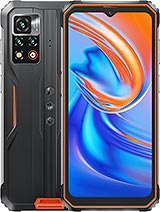
BV9200
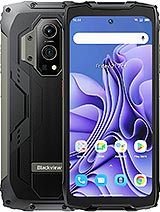
BV9300
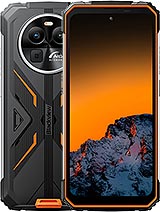
BV8100
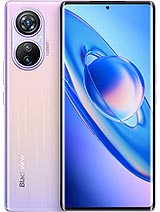
A200 Pro
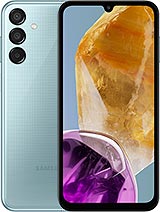
Galaxy M15 5G