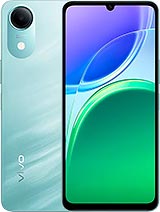
Blackview Wave 7C review
This suits construction workers, rural users, or anyone who values two-day battery life and water resistance over performance and camera quality. If you regularly multitask, play games, or care about sharp pictures, you will regret the 4GB RAM and 720p screen almost immediately.
This review is written with AI assistance from Blackview’s published specifications and public benchmark data for the Blackview Wave 7C, and the rating is spec-based. GoSolo does not physically test devices; where we estimate real-world behaviour such as battery life or charge time, we say so. How we rate phones.
Overview
The Wave 7C is a no-frills, durability-first phone that prioritizes battery life and drop resistance over raw power or a sharp display. It suits users who want a phone to last two days between charges and survive pocket dust without thinking about it, but the 4GB RAM and entry-level Unisoc chip mean demanding apps and games will stutter.
Design & Build
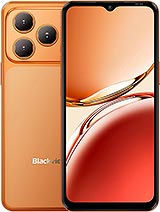
At 202 grams and 8.9 mm thick, the Wave 7C is one of the lighter, slimmer phones on the market this year. The design is utterly unremarkable—flat edges, plastic back—but that spartan approach serves a purpose: durability. IP54 resistance means it laughs off splashes, dust, and light rain without the weight or cost of a full IP68 rating. This is a phone you can afford to forget to baby. The three color choices (Phantom Black, Vitality Orange, Arctic Blue) are bold in name but muted in execution; it looks like a budget phone because it is one.
Display
The 6.56-inch IPS LCD is where budget really shows. At 720 x 1612 pixels and 269 ppi, it's stretched thin; text edges are visibly jagged and photos look soft next to even modest 1080p panels. The 430-nit peak brightness helps in overcast outdoor light but fails in direct sun. Refresh is locked at 60Hz, which is fine—nobody expects 120Hz at this price—but the low pixel density makes scrolling feel less smooth than it should. If you read books, browse news, or watch video in low light, you'll adapt. If you care about clarity, this screen will frustrate you within days.
Performance
The Unisoc Tiger T310 is a budget chip from 2024 that has no business being in a 2026 phone. With a single 2.0 GHz Cortex-A75 and three 1.8 GHz A55 cores backed by just 4GB of RAM, it handles messaging, calls, and light browsing without stutter. Open a second app, jump between social media and email, or launch anything demanding—a game, a video editor, even a heavy browser tab—and you'll feel the lag. The 64GB entry model is a trap; the 128GB gives you more breathing room for apps, but the 4GB RAM is the real bottleneck. On paper it looks fine; in daily use, the limits become clear within weeks.
Software
Android 16 running under DokeOS 5 is clean and lightweight. There's no Amazon bloatware, no carrier junk, no ad-laden preinstalled apps hunting for your attention. The trade-off is minimal customization, but for a phone this modest, that's a fair bargain. Updates should arrive regularly; Blackview has improved here compared to five years ago. The FM radio is a nice-to-have in regions without mobile data or for users who still listen to stations; most others will ignore it.
Camera
The 32MP main sensor (f/2.0, autofocus) captures decent daylight photos with acceptable color and sharpness. The 13MP selfie is fine for video calls. Once light drops, or when you crop heavily to use the pixel count, the modest sensor size (1/3.0 inch) shows its limits—noise rises and detail softens. There's no ultra-wide, no macro, no telephoto, and no night mode, so your shot options are binary: the wide lens or nothing. Video is capped at 1080p@30fps, which means it looks flat and soft compared to 1440p or 4K rivals, even cheap ones. For a 2026 phone, this camera is a step behind what the market expects at any reasonable price.
Battery & Charging
The 5000 mAh cell is the real hero here. Light users—messaging, calling, light browsing, under four hours of screen time—will stretch it to two days. Moderate users will see a full day plus. Heavy users will need a charge by evening, but that's true of any phone. The spec sheet does not list charging wattage; reports suggest 10W via USB Type-C, which is slow by today's standard. What matters is that the modest hardware (low screen brightness, weak CPU) means the battery drains slowly, so the slow charging is less painful than it would be on a powerhouse. Expect about 2.5 to 3 hours for a full charge.
Value & Verdict
The Wave 7C is a phone for someone who values durability, battery life, and simplicity over all else. It's not trying to be a flagship or even a mid-range star; it's built for outdoor workers, rural users, or anyone who just needs a working phone that survives neglect and doesn't need daily charging. The 5000 mAh battery and IP54 frame are genuine strengths. The 720p screen, 4GB RAM, and weak camera are the cost of keeping price low and weight down. At this price point, there is nothing shockingly bad here—just honest trade-offs that older or minimalist users will accept happily and power users will hate within a month.
Verdict
This suits construction workers, rural users, or anyone who values two-day battery life and water resistance over performance and camera quality. If you regularly multitask, play games, or care about sharp pictures, you will regret the 4GB RAM and 720p screen almost immediately.
- 5000 mAh battery stretches to two days with light use; the modest hardware means the charge lasts longer than it would on a more powerful device
- IP54 durability and 202g weight make it genuinely pocketable and pocket-durable; no protective case needed for everyday splashes or dust
- Dedicated microSD slot with up to 2TB expansion, so you can store photos, music, or files without relying on cloud services in regions with poor connectivity
- Android 16 with DokeOS keeps the interface clean and the software uncluttered; bloatware is minimal
- 4GB RAM and the Unisoc T310 struggle noticeably with multitasking, heavy apps, and any game beyond casual titles; performance drops become obvious within a few months of use
- 720p display at 6.56 inches stretches pixels thin; text and graphics lack clarity compared to even cheap 1080p rivals, and 430 nits is not enough for bright sunlight
- 32MP main camera in good light is adequate, but 1080p video and no night mode mean photos and clips look dated against this year's budget competition
Blackview Wave 7C Key Specifications
The essentials at a glance. See the full spec sheet.
| Released | 2026, April |
|---|---|
| Display | 6.56 inches, 103.4 cm2 (~81.5% screen-to-body ratio), IPS LCD, 430 nits |
| Resolution | 720 x 1612 pixels, 20:9 ratio (~269 ppi density) |
| Chipset | Unisoc Tiger T310 (12 nm) |
| RAM & storage | 64GB 4GB RAM, 128GB 4GB RAM |
| Main camera | 32 MP, f/2.0, (wide), 1/3.0", AF |
| Selfie camera | 13 MP, f/2.0, (wide), 1/4.0" |
| Battery | 5000 mAh |
| Software | Android 16, DokeOS 5 |
| Dimensions | 165.3 x 76.7 x 8.9 mm (6.51 x 3.02 x 0.35 in) |
| Weight | 202 g (7.13 oz) |
| Durability | IP54 |
| Network | GSM / HSPA / LTE |
| NFC | No |
| USB | USB Type-C, OTG |
Blackview Wave 7C FAQ
Common questions, answered from the spec sheet.
Does the Wave 7C support 5G?
No. The Wave 7C tops out at GSM / HSPA / LTE, without 5G.
What chipset does the Wave 7C use?
The Wave 7C runs on the Unisoc Tiger T310 (12 nm).
What display does the Wave 7C have?
A 6.56 inches, 103.4 cm2 (~81.5% screen-to-body ratio) IPS LCD, 430 nits, 720 x 1612 pixels, 20:9 ratio (~269 ppi density).
How big is the Wave 7C battery?
The Wave 7C has a 5000 mAh battery.
Does the Wave 7C have NFC?
No, the Wave 7C does not list NFC support.
Is the Wave 7C water resistant?
The Wave 7C carries a IP54 rating.
Does the Wave 7C support a microSD card?
Yes, the Wave 7C supports expandable storage (microSDXC (dedicated slot)).
Alternatives to consider
If the Wave 7C isn’t quite right, these are the closest calls.
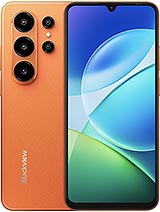
Wave 10C

Wave 2C
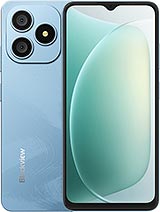
Wave 9C
Wave 10
Play 70C