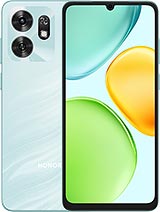
Blackview Wave 8C review
The Wave 8C is for users in low-power or low-connectivity environments who value battery life and a large, readable screen above speed and responsiveness. Anyone expecting smooth performance, snappy app launches, or sharp visuals should look to a higher-tier budget phone instead, even if it means charging every day.
This review is based on Blackview’s published specifications and public benchmark data for the Blackview Wave 8C, and the rating is spec-based. GoSolo does not physically test devices; where we estimate real-world behaviour such as battery life or charge time, we say so. How we rate phones.
Overview
The Blackview Wave 8C is a bare-bones Android phone designed for users in areas with spotty power or connectivity—a 5000mAh battery stretches to about two days on light use, and the 6.56-inch screen is large enough for comfortable reading despite 720p softness. The Unisoc SC9863A is severely underpowered even by budget standards, making anything beyond messaging and calls choppy and frustrating.
Design & build
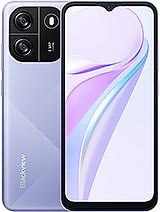
The Wave 8C is thin and light for its screen size at 193g and 8.8mm, making it pocketable despite the 6.56-inch diagonal. The plastic body feels durable enough for a budget device, and dual Nano-SIM slots without sacrificing a microSD slot is practical for travellers or those managing work and personal numbers. The phone is clearly built to last in rough conditions—useful where devices take a beating and repair options are sparse. USB Type-C and a 3.5mm jack round out the ports, though there is nothing about the design that will excite anyone.
Display
The 6.56-inch IPS LCD panel maxes out at 450 nits, which is workable indoors and in shade but noticeably dimmer in direct sunlight than modern OLED or high-brightness LCD rivals. The 720p resolution spread across that screen results in visible pixelation at arm's length; text rendering is legible but not crisp, and photos lack the visual punch you get even from midrange phones. For reading e-books, messages, or basic web browsing, the size compensates for the softness. Anyone expecting sharpness or clarity will be disappointed, but for users in bright outdoor environments or those with presbyopia, the large screen is a genuine convenience.
Performance
The Unisoc SC9863A is a 28nm processor built for very low power draw, not speed. With 2GB RAM, the phone handles calls, messaging, and light web browsing without issue, but anything heavier stalls visibly. Streaming video buffers frequently, app switching is sluggish, and opening a camera or gallery when you have photos cached takes a moment. Gaming and multitasking are off the table entirely—even casual games will be choppy. The eMMC 5.1 storage is also slow by modern standards, so even installed apps launch with a noticeable delay. For someone accustomed to even modest midrange phones, the performance feels dated and frustrating; for someone upgrading from a $40 feature phone or using this as a no-compromise backup device, it will feel acceptable.
Software
Android 14 Go Edition is optimized for low-RAM devices and runs reasonably smoothly given the hardware constraints. DokeOS 4.0, Blackview's custom skin, adds minimal bloat and stays out of the way. Updates will likely be sparse—Blackview rarely commits to long-term support on devices at this price—so expect the software to stagnate after the first year or two. Security patches are not guaranteed, a real concern if you use mobile banking or store sensitive files.
Camera
The 13MP main sensor with LED flash and HDR is pitched at daylight snapshot duty and mostly delivers. Colours are flat and dynamic range is limited, but outdoor shots in bright sun are usable. Low-light performance suffers from noise and the flash is weak, rendering nearby subjects blown out. The 8MP selfie camera is basic but fine for video calls. Video maxes out at 1080p 30fps, which matches the chipset's limits; expect shaky, compressed footage if you do record. Compared to peers at this price, the camera is unremarkable—good enough for proof-of-life shots but not worth any deliberation.
Battery & charging
The 5000mAh battery is the Wave 8C's strongest card. On light use—calls, messaging, Wi-Fi browsing—it will stretch past two days before hitting zero. Moderate use of streaming or social apps will consume a day comfortably. The catch is the 5W charger, which needs 8 to 10 hours to refill the tank from dead. This means you are effectively charging overnight every night if you use the phone daily, or plugging in every other evening if use is truly minimal. For regions where power is unreliable or rationed, this slow-charge battery combo is a feature, not a bug; you can safely leave the phone plugged in when power is available without stress. For anywhere else, the charge speed is a genuine friction point.
Value & verdict-context
The Wave 8C costs next to nothing and does exactly what Blackview has positioned it for: a long-battery, large-screen, low-demand device for users in areas with spotty electricity or connectivity. It is not a phone for the impatient, the multitasker, or anyone who wants responsive performance. It excels at being left on a shelf between charges, and the FM radio and offline features add genuine utility in regions where data infrastructure is limited. For a student or casual user in a developed country, this phone will feel slow and frustrating within days. For someone in rural Africa, South Asia, or the Middle East who needs a reliable call-and-message device that runs for days between charges, it makes sense.
Verdict
The Wave 8C is for users in low-power or low-connectivity environments who value battery life and a large, readable screen above speed and responsiveness. Anyone expecting smooth performance, snappy app launches, or sharp visuals should look to a higher-tier budget phone instead, even if it means charging every day.
- 5000mAh battery easily clears two days of light use, a rare advantage at this price and power tier
- 6.56-inch screen with 450-nit IPS LCD is readable outdoors and gives more real estate than typical budget phones
- Dedicated microSDXC slot lets you expand storage without sacrificing the dual-SIM setup
- Includes 3.5mm jack and FM radio, useful offline features in low-connectivity regions
- 5W charging takes 8–10 hours to refill the 5000mAh battery, essentially locking it to overnight charging in most workflows
- Unisoc SC9863A with 2GB RAM struggles visibly with video streaming, app switching, and any graphics; performance floors hard during multitasking
- Display's 269 ppi and 720p resolution feel grainy on a 6.56-inch screen, and Mohs level 5 protection is soft—prone to scratches
Blackview Wave 8C Key Specifications
The essentials at a glance. See the full spec sheet.
| Released | 2024, November |
|---|---|
| Display | 6.56 inches, 103.4 cm2 (~84.2% screen-to-body ratio), IPS LCD, 450 nits |
| Resolution | 720 x 1612 pixels, 20:9 ratio (~269 ppi density) |
| Chipset | Unisoc SC9863A (28 nm) |
| RAM & storage | 64GB 2GB RAM |
| Main camera | 13 MP, (wide) |
| Selfie camera | 8 MP, (wide) |
| Battery | 5000 mAh |
| Charging | 5W wired |
| Software | Android 14 (Go edition), DokeOS 4.0 |
| Dimensions | 163.2 x 75.2 x 8.8 mm (6.43 x 2.96 x 0.35 in) |
| Weight | 193 g (6.81 oz) |
| Network | GSM / HSPA / LTE |
| NFC | No |
| USB | USB Type-C, OTG |
Blackview Wave 8C FAQ
Common questions, answered from the spec sheet.
Does the Wave 8C support 5G?
No. The Wave 8C tops out at GSM / HSPA / LTE, without 5G.
What chipset does the Wave 8C use?
The Wave 8C runs on the Unisoc SC9863A (28 nm).
What display does the Wave 8C have?
A 6.56 inches, 103.4 cm2 (~84.2% screen-to-body ratio) IPS LCD, 450 nits, 720 x 1612 pixels, 20:9 ratio (~269 ppi density).
How big is the Wave 8C battery?
The Wave 8C has a 5000 mAh battery. Charging is rated at 5W wired.
Does the Wave 8C have NFC?
No, the Wave 8C does not list NFC support.
Does the Wave 8C support a microSD card?
Yes, the Wave 8C supports expandable storage (microSDXC (dedicated slot)).
Does the Wave 8C have a headphone jack?
Yes, the Wave 8C has a 3.5mm headphone jack.
Alternatives to consider
If the Wave 8C isn’t quite right, these are the closest calls.
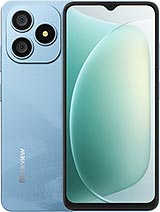
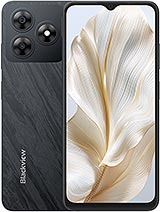
Wave 9C
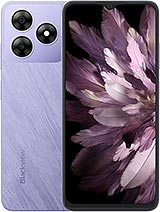
Wave 8
Wave 6C
Tab90WiFi
Y50 5G