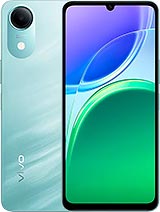
Blackview Wave 9C review
The Wave 9C is for someone who lives in an LTE-only region, spends most of their day on messaging and browsing, and needs a phone that will not die at 4 p.m. If you game, edit content, or value smooth multitasking, or if you live where 5G is already standard, the weak processor and soft display will frustrate you; spend a bit more and get a real leap forward.
This review is written with AI assistance from Blackview’s published specifications and public benchmark data for the Blackview Wave 9C, and the rating is spec-based. GoSolo does not physically test devices; where we estimate real-world behaviour such as battery life or charge time, we say so. How we rate phones.
Overview
The Wave 9C is a large-screen budget phone with a long-lasting battery and modest hardware that handles basic tasks but lags on demanding apps and multitasking. It makes sense for someone buying on price in a market where 5G is not yet essential, but the low pixel density and dated connectivity hold it back.
Design & build
At 191.8g and 9.2mm thick, the Wave 9C is thin and light enough to slip into a pocket, which counts for something at this price point. The Mohs level 7 glass front will resist scratches in everyday use, but do not expect it to survive a drop without damage. For a 2025 budget phone, it is reasonably assembled, though the thin profile and light weight suggest materials that feel more brittle than robust. The 6.56-inch display dominates the body, leaving little room for a large camera module or accent lighting, so it lands somewhere between understated and unremarkable.
Display
The 6.56-inch IPS LCD is the standout on paper: 83.4% screen-to-body ratio means there is minimal bezel, and 600 nits brightness keeps the screen legible in sunlight, which matters in the global south where outdoor use is common. The problem is the 720p resolution (269 ppi density) across such a large diagonal. Text and web pages will look noticeably softer than on phones with 1080p or higher at the same size, and anyone upgrading from a mid-range device will notice the difference immediately. For video playback or casual browsing it is passable, but for reading or detailed work, this is a compromise. A 1080p panel at this price is now standard in the entry-mid tier, so Blackview is cutting corners here.
Performance
The Unisoc Tiger T603 (1.6 GHz octa-core, IMG8322 GPU) sits in the bottom rung of the smartphone chipset ladder. It is adequate for calling, texting, messaging apps, and light browsing; switching between apps happens without terrible lag. Anything heavier—games, heavy video editing, or running multiple background tasks—will stall noticeably. The 4GB RAM does not help; multitasking will cause frequent app reloads. If your day is mostly WhatsApp, YouTube, and email over Wi-Fi, you will get by. If you game, stream frequently, or use productivity tools, look elsewhere. The chipset is roughly equivalent to the Snapdragon 680 tier, which was entry-level in 2021; it is old by 2025 standards.
Software
Android 15 with DokeOS 4.2 (Blackview's overlay) is included, which means you get current Android APIs but Blackview's custom skin may add bloat. DokeOS is not aggressive about clutter compared to some skins, but whether it receives timely security updates is another matter—Blackview's update track record is spotty. The phone will run day-to-day apps, but do not expect fast OS updates or long-term support. For buyers in regions where phone support is inconsistent anyway, this is less of a factor than it is in the West.
Camera
The 13MP f/2.0 main camera is equipped with an LED flash and HDR, which helps in low light, but 13 megapixels spread across a 6.56-inch display means detail disappears fast when you crop or zoom. The f/2.0 aperture is respectable for an entry-level phone, and the LED flash keeps dark-room shots from being unusable, but do not expect sharp daytime photos or strong color accuracy. Video tops out at 1080p@30fps with no high-frame slow-motion or stabilization, so moving shots will look jittery. The 8MP selfie camera is routine. This is a camera that works, not one that impresses; it suits snapshots and social media but not serious photography.
Battery & charging
The 5000 mAh battery is the true selling point. That capacity should deliver roughly one to one-and-a-half days of mixed use (calls, browsing, light apps), and the standby time will be strong thanks to the modest chipset and display. The spec sheet does not list a charging wattage—a red flag that suggests it is not a feature Blackview is proud of—so assume a slow trickle charge typical of budget phones, likely taking three to four hours to reach 100%. In markets where overnight charging is the norm anyway, this is less of an issue. The large battery is real value here; if you travel frequently or use your phone heavily, this phone will make it through a full day when rivals at this price might need a midday top-up.
Connectivity & value
There is no 5G, which is fine if your region does not have it yet (much of the global south still relies on LTE), but it means the phone will feel outdated in markets where 5G has rolled out. LTE is ample for browsing and streaming. Wi-Fi maxes out at 802.11n (slower than the 802.11ac or ax that rivals now include), and Bluetooth 4.2 is several years behind current standards; pairing with newer wireless headphones or fitness bands may introduce lag. The dedicated microSDXC slot is a genuine bonus for a 2025 phone at this price, letting you expand storage without sacrificing the dual-SIM setup. At this price and with this chipset, the Wave 9C is clearly aimed at buyers in markets where LTE infrastructure is established but 5G adoption is still early, and where raw screen real estate and battery life matter more than speed or upgrade-path.
Verdict
The Wave 9C is for someone who lives in an LTE-only region, spends most of their day on messaging and browsing, and needs a phone that will not die at 4 p.m. If you game, edit content, or value smooth multitasking, or if you live where 5G is already standard, the weak processor and soft display will frustrate you; spend a bit more and get a real leap forward.
- 5000 mAh battery delivers 1.5 days of typical use, a real advantage over rivals at this price.
- Large 6.56-inch display with 83.4% screen-to-body ratio and 600 nits brightness is readable outdoors without the thick bezels of older budget phones.
- Dedicated microSDXC slot lets you expand storage without losing the dual SIM setup, uncommon at this price point in 2025.
- 720p resolution (269 ppi) on a 6.56-inch screen makes text and fine detail visibly softer than 1080p budget competitors; now a standard compromise rather than acceptable.
- Charging wattage not listed and assumed very slow; expect three to four hours from 0 to 100, which erases some of the battery advantage.
- Unisoc T603 is entry-level even for 2025; apps and games will stall, and multitasking with 4GB RAM is sluggish.
Blackview Wave 9C Key Specifications
The essentials at a glance. See the full spec sheet.
| Released | 2025 |
|---|---|
| Display | 6.56 inches, 103.4 cm2 (~83.4% screen-to-body ratio), IPS LCD, 600 nits |
| Resolution | 720 x 1612 pixels, 20:9 ratio (~269 ppi density) |
| Chipset | Unisoc Tiger T603 |
| RAM & storage | 64GB 4GB RAM, 128GB 4GB RAM |
| Main camera | 13 MP, f/2.0, (wide), 1/4.0" |
| Selfie camera | 8 MP, f/2.2, (wide), 1/5.0" |
| Battery | 5000 mAh |
| Software | Android 15, DokeOS 4.2 |
| Dimensions | 163.6 x 75.8 x 9.2 mm (6.44 x 2.98 x 0.36 in) |
| Weight | 191.8 g (6.77 oz) |
| Network | GSM / HSPA / LTE |
| NFC | No |
| USB | USB Type-C, OTG |
Blackview Wave 9C FAQ
Common questions, answered from the spec sheet.
Does the Wave 9C support 5G?
No. The Wave 9C tops out at GSM / HSPA / LTE, without 5G.
What chipset does the Wave 9C use?
The Wave 9C runs on the Unisoc Tiger T603.
What display does the Wave 9C have?
A 6.56 inches, 103.4 cm2 (~83.4% screen-to-body ratio) IPS LCD, 600 nits, 720 x 1612 pixels, 20:9 ratio (~269 ppi density).
How big is the Wave 9C battery?
The Wave 9C has a 5000 mAh battery.
Does the Wave 9C have NFC?
No, the Wave 9C does not list NFC support.
Does the Wave 9C support a microSD card?
Yes, the Wave 9C supports expandable storage (microSDXC (dedicated slot)).
Alternatives to consider
If the Wave 9C isn’t quite right, these are the closest calls.
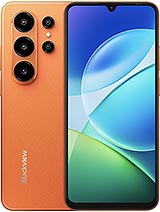
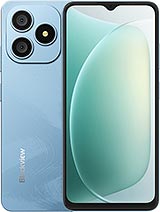
Wave 10C
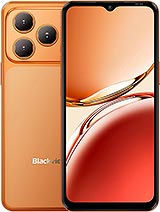
Wave 7C
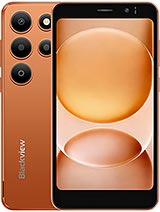
Wave 2C
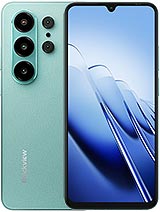
Wave 10

Play20A