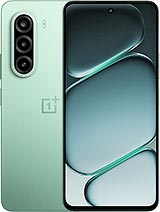
Blackview Xplore X1 Pro review
The Xplore X1 Pro suits field workers, construction crews, and anyone whose job involves risk of drops, water, and dust—the 10,000 mAh battery and rugged design earn the weight penalty. Skip it if you want a mainstream flagship experience or a light daily driver; the slow charging, bulk, and midrange processor make it a poor choice for anyone prioritizing speed or portability.
This review is written with AI assistance from Blackview’s published specifications and public benchmark data for the Blackview Xplore X1 Pro, and the rating is spec-based. GoSolo does not physically test devices; where we estimate real-world behaviour such as battery life or charge time, we say so. How we rate phones.
Overview
The Xplore X1 Pro is a rugged workhorse with a cavernous battery, IP68/IP69K sealing, and a rear secondary display, aimed at field workers and outdoor users who need durability over finesse. The trade-off is clear: it's slow to charge, heavy at 420g, and the Dimensity 7050 is mid-tier—fast enough for apps but not for gaming—making it niche rather than a general alternative to mainstream flagships.
Design & build
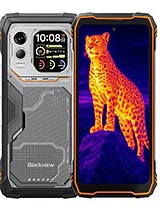
At 420g and 18mm thick, the Xplore X1 Pro feels purposeful rather than refined. It's built for drops and dirt: IP68/IP69K rating survives dunking to 1.5m for 30 minutes and high-pressure jets, plus MIL-STD-810H durability testing. The dual LED flashlight is a field-worker detail, not cosmetic. The rear 2.01-inch secondary display is genuinely useful—glance at notifications, battery, or time without waking the main screen. Weight will fatigue you in a pocket after a full day, but that's the price of armored design. Mohs level 5 screen protection is softer than modern Gorilla Glass, so scratches are easier to earn.
Display
The 6.78-inch 1080p IPS panel is adequate but dated for 2026. At 396 ppi and 71.5% screen-to-body ratio, it's functional rather than eye-catching. The 120Hz refresh is standard by now, and 700 nits brightness is respectable for outdoor work, though not exceptional against brighter flagships. Color and viewing angles on IPS LCD are decent, but the resolution-to-size ratio means text can look slightly soft if you zoom close. It gets the job done without pretense—which fits the rugged brief perfectly.
Performance
The Dimensity 7050 is mainstream midrange: it handles routine tasks, messaging, social media, and navigation without stuttering. For gaming or video editing, expect throttling and dropped frames. Multitasking is smooth with 12GB RAM, and the UFS 3.1 storage won't bottleneck everyday use. This is a work phone, not a gaming rig; it won't impress benchmarks, but it won't embarrass itself for calls, mail, and GPS-heavy field apps either. Paired with DokeOS 5.0, Blackview's Android fork, you get a lean system optimized for battery life and durability rather than feature flourish.
Software
DokeOS 5.0 running on Android 16 is a custom fork tailored for rugged phones: it prioritizes uptime, offline capability, and system resilience. You won't get the latest Google Pixel features or Samsung polish, but you will get a system designed to stay stable when your phone has taken a battering. Updates will follow Blackview's schedule, not Google's, so bleeding-edge security patches may lag. The trade-off is intentional—durability and independence over ecosystem integration.
Camera
The 64MP main camera with f/1.8 aperture and PDAF handles outdoor work photography decently. The thermal camera is a practical addition for inspections, electrical work, or industrial use. Video tops out at 1440p@30fps, which is behind flagship standards but sufficient for documentation. The 50MP selfie camera is adequate for video calls. Expect straightforward, unembellished shots in good light; lowlight handling will be mediocre on a midrange sensor, and computational photography is minimal. This is honest photography, not Instagram-optimized—which matches the phone's purpose.
Battery & charging
The 10,000 mAh cell is the standout feature. In a device optimized for efficiency, this translates to two full days of moderate use, possibly three if you barely run apps. Charging is the weak point: the spec lists 55W support, which is slow by 2026 standards when rivals at this price hit 120W or faster. Expect a full charge to take 90 minutes or more. For field workers who top up overnight or plug in at the office, this lag matters little; for users accustomed to 30-minute charges, it's frustrating. Wireless charging is absent, as typical for rugged phones.
Value & verdict context
The Xplore X1 Pro targets a specific buyer: electricians, construction workers, outdoor surveyors, emergency responders—people who need a phone that survives neglect and mud, not a fashion statement. At its expected price point (likely $400–600 depending on region), it's expensive compared to mainstream midrange phones, but reasonable against other rugged devices with equivalent durability. If your daily life involves dropping, dunking, and dusty sites, the cost makes sense. If you swap phones yearly for flagships, this is not your device. The rear display and thermal camera add practical value for field work; the slow charging and aging panel are acceptable because this phone isn't meant for desk scrolling.
Verdict
The Xplore X1 Pro suits field workers, construction crews, and anyone whose job involves risk of drops, water, and dust—the 10,000 mAh battery and rugged design earn the weight penalty. Skip it if you want a mainstream flagship experience or a light daily driver; the slow charging, bulk, and midrange processor make it a poor choice for anyone prioritizing speed or portability.
- 10,000 mAh battery with estimated two to three days of real-world use, unmatched among mainstream phones
- IP68/IP69K sealing and MIL-STD-810H durability survive drops, dunks, and harsh sites where normal phones fail
- Practical rear 2.01-inch secondary display cuts main-screen wake time for quick glances at time, notifications, and battery
- Thermal camera adds genuine value for electrical, construction, and inspection work
- 55W charging is slow for 2026; rivals at this price now exceed 100W, meaning a full charge takes 90+ minutes
- 420g weight and 18mm thickness feel burdensome in daily carry and pockets after extended use
- Dimensity 7050 midrange chipset struggles with gaming and sustained multitasking; this is a work phone, not a performance device
Blackview Xplore X1 Pro Key Specifications
The essentials at a glance. See the full spec sheet.
| Released | 2026, August |
|---|---|
| Display | 6.78 inches, 109.2 cm2 (~71.5% screen-to-body ratio), IPS LCD, 120Hz, 700 nits |
| Resolution | 1080 x 2460 pixels (~396 ppi density) |
| Chipset | Mediatek Dimensity 7050 (6 nm) |
| RAM & storage | 256GB 12GB RAM |
| Main camera | 64 MP, f/1.8, (wide), 1/2.0", PDAF Thermal camera |
| Selfie camera | 50 MP, f/2.5, (wide), 1/2.76" |
| Battery | 10000 mAh |
| Software | Android 16, DokeOS 5.0 |
| Dimensions | 184 x 83 x 18 mm (7.24 x 3.27 x 0.71 in) |
| Weight | 420 g (14.82 oz) |
| Durability | IP68/IP69K dust tight and water resistant (high pressure water jets; immersible up to 1.5m for 30 min) MIL-STD-810H compliant Dual LED flashlight |
| Network | GSM / CDMA / HSPA / LTE / 5G |
| NFC | Yes |
| USB | USB Type-C, OTG |
Blackview Xplore X1 Pro FAQ
Common questions, answered from the spec sheet.
Does the Xplore X1 Pro support 5G?
Yes. The Xplore X1 Pro supports 5G networks.
What chipset does the Xplore X1 Pro use?
The Xplore X1 Pro runs on the Mediatek Dimensity 7050 (6 nm).
What display does the Xplore X1 Pro have?
A 6.78 inches, 109.2 cm2 (~71.5% screen-to-body ratio) IPS LCD, 120Hz, 700 nits, 1080 x 2460 pixels (~396 ppi density).
How big is the Xplore X1 Pro battery?
The Xplore X1 Pro has a 10000 mAh battery.
Does the Xplore X1 Pro have NFC?
Yes, the Xplore X1 Pro has NFC.
Is the Xplore X1 Pro water resistant?
The Xplore X1 Pro carries a IP68/IP69K dust tight and water resistant (high pressure water jets; immersible up to 1.5m for 30 min) MIL-STD-810H compliant Dual LED flashlight rating.
Does the Xplore X1 Pro support a microSD card?
Yes, the Xplore X1 Pro supports expandable storage (microSDXC (uses shared SIM slot)).
Alternatives to consider
If the Xplore X1 Pro isn’t quite right, these are the closest calls.
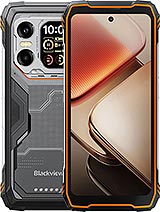
Xplore X1
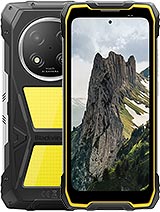
Rock 2 Pro
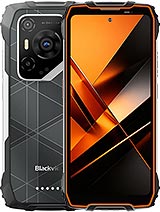
BL7000 Pro
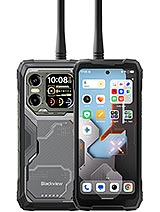
Xplore 1 Walkie Talkie

Galaxy A08 4G