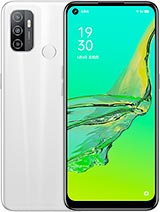
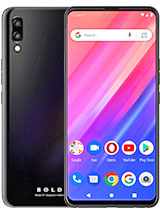
BLU Bold N1 review
The Bold N1 suits someone in 2019 who valued screen real estate and a notch-free face over battery life and raw power, and was willing to accept a motorized gimmick as a selling point. Everyone else—especially anyone shopping today—should look elsewhere. Even secondhand, the weak battery and outdated chip make it a poor investment when older flagship models or current budget phones offer better value and longevity.
This review is written with AI assistance from BLU’s published specifications and public benchmark data for the BLU Bold N1, and the rating is spec-based. GoSolo does not physically test devices; where we estimate real-world behaviour such as battery life or charge time, we say so. How we rate phones.
Overview
The BLU Bold N1 is a 2019 budget phone that leans on AMOLED flash to distract from aging hardware and a weak battery. It is not worth hunting down now that it is discontinued; even at its launch price, the Helio P70 and 3500 mAh cell were already trailing what rivals offered.
Design & Build
At 182g and 8.6mm, the Bold N1 is genuinely trim and light by 2019 standards, which matters if your hands are small or you hate a brick in your pocket. The 6.4-inch AMOLED panel sits in that goldilocks zone between tablet and handheld. What lets it down is the plastic back (specs do not confirm glass) and the motorized pop-up selfie camera, which feels gimmicky in hindsight. That mechanism is also a durability liability; motorized parts fail. Dual SIM is practical for global-south users working multiple networks.
Display
The 6.4-inch AMOLED screen is the phone's strongest card. At 403 ppi and 1080 x 2340 resolution, it is sharp enough for a mid-range device and the OLED blacks and colour fidelity beat the LCD rivals BLU and Motorola were shipping at this price in 2019. The 85.5% screen-to-body ratio is solid, and the tall 19.5:9 aspect ratio was fashionable at the time. Gorilla Glass 5 is decent protection but not cutting edge. If you just want a good-looking display without spending flagship money, this was a rare win for the tier.
Performance
The Helio P70 is entry-level silicon, even in 2019. The octa-core layout (4x2.1 GHz A73 + 4x2.1 GHz A53) sounds balanced but the Mali-G72 MP3 GPU and limited clock speeds mean stutters in social apps, sluggish game loading, and frequent app reloads when you have five things open. Four gigabytes of RAM is the bare minimum, and eMMC 5.1 storage is slower than the UFS rivals offered at the same price. Android 9 with a planned Android 10 upgrade was standard, but the older OS masks how thin the compute margin is. This phone is for light messaging and calls, not content creation or gaming.
Camera
The 16MP f/1.8 rear camera sounds capable on paper but lacks depth in real life. No ultra-wide or telephoto, so framing is inflexible. The 1/2.8" sensor is small and noise creeps in outdoors. PDAF helps autofocus but does not fix the limited aperture and sensor real estate for low light. The motorized 13MP pop-up selfie feels like a feature hunt to fill a spec sheet; the mechanical complexity buys you a smaller notch that most phones no longer even bother with. Video maxes at 1080p@30fps, which was already dated in 2019 when flagships shot 4K. The camera does not justify the pop-up or the price tag.
Battery & Charging
The 3500 mAh cell is the phone's Achilles heel. Even with Android 9's modest requirements, a full day of moderate use is a stretch. Heavier users will need to charge by evening. Worse, there is no wired fast charging—only Qi wireless, which is slower and less convenient than the 18W or 30W standards rivals were offering at this price. A motorized pop-up camera that draws power in a thin chassis probably did not help battery longevity either. Standby claim of 600 hours (3G) and up to 20 hours talk time are theoretical in a LTE/WiFi world.
Software & Network
Android 9 Pie out of the box with a promised Android 10 update put it in line with 2019 peers, but BLU's track record on software support was poor, so that upgrade likely never shipped. Network support is solid: LTE bands cover most regions, dual SIM is valuable, and FM radio is still useful where streaming is spotty. Wi-Fi 802.11n and Bluetooth 4.1 are functional but not leading edge. USB Type-C is standard; the lack of NFC rules out mobile payments, a minor omission for the budget tier.
Value & Verdict
At launch, 180 EUR for a 3500 mAh, Helio P70 budget phone with no fast charging was not compelling even then. The AMOLED display was the only real differentiator, and the motorized pop-up selfie camera was a novelty that added complexity without solving a real problem. Today, the Bold N1 is discontinued and obsolete. If you spot one second-hand, avoid it unless the price is under 80 EUR and you just need a slim, light device for messaging and Wi-Fi calls. The battery will disappoint you, the processor will stutter, and the software support will be non-existent.
Verdict
The Bold N1 suits someone in 2019 who valued screen real estate and a notch-free face over battery life and raw power, and was willing to accept a motorized gimmick as a selling point. Everyone else—especially anyone shopping today—should look elsewhere. Even secondhand, the weak battery and outdated chip make it a poor investment when older flagship models or current budget phones offer better value and longevity.
- AMOLED display at entry price (rare in 2019 for the tier)
- Light and slim build at 182g and 8.6mm
- Dedicated microSD slot (128GB base is tight without it)
- Motorized pop-up selfie camera removes the notch
- 3500 mAh battery with no fast charging leaves you hunting for a socket by mid-afternoon
- Helio P70 is entry-level even for 2019; stutters under daily load and gaming
- Mediocre cameras that don't justify the pop-up gimmick; 16MP rear with no telephoto or ultra-wide
BLU Bold N1 Key Specifications
The essentials at a glance. See the full spec sheet.
| Released | 2019, September. Released 2019, September |
|---|---|
| Display | 6.4 inches, 100.5 cm2 (~85.5% screen-to-body ratio), AMOLED |
| Resolution | 1080 x 2340 pixels, 19.5:9 ratio (~403 ppi density) |
| Chipset | Mediatek MT6771V Helio P70 (12 nm) |
| RAM & storage | 128GB 4GB RAM |
| Main camera | 16 MP, f/1.8, 1/2.8", PDAF Auxiliary lens |
| Selfie camera | Motorized pop-up 13 MP, f/2.0, 1/4.0" |
| Battery | 3500 mAh |
| Charging | Wireless: Qi |
| Software | Android 9.0 (Pie), planned upgrade to Android 10 |
| Dimensions | 158.7 x 74.1 x 8.6 mm (6.25 x 2.92 x 0.34 in) |
| Weight | 182 g (6.42 oz) |
| Network | GSM / HSPA / LTE |
| NFC | No |
| USB | USB Type-C 2.0, OTG |
BLU Bold N1 FAQ
Common questions, answered from the spec sheet.
Does the Bold N1 support 5G?
No. The Bold N1 tops out at GSM / HSPA / LTE, without 5G.
What chipset does the Bold N1 use?
The Bold N1 runs on the Mediatek MT6771V Helio P70 (12 nm).
What display does the Bold N1 have?
A 6.4 inches, 100.5 cm2 (~85.5% screen-to-body ratio) AMOLED, 1080 x 2340 pixels, 19.5:9 ratio (~403 ppi density).
How big is the Bold N1 battery?
The Bold N1 has a 3500 mAh battery. Charging is rated at Wireless: Qi.
Does the Bold N1 have NFC?
No, the Bold N1 does not list NFC support.
Does the Bold N1 support a microSD card?
Yes, the Bold N1 supports expandable storage (microSDXC (dedicated slot)).
Alternatives to consider
If the Bold N1 isn’t quite right, these are the closest calls.
G9 Pro
G8
G5 Plus
Vivo X5

Galaxy A41