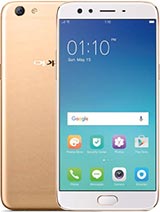
BLU Energy Diamond Mini review
This phone is not for anyone shopping today. If you live in a region with truly unreliable power and can source replacement batteries, and you only need calls, texts, and FM radio, the removable battery is a real advantage. Otherwise, a used 4G phone from 2017–2018 will outperform this in every way for similar or lower money. Do not buy this new in 2024 or later—it has been discontinued for good reason."
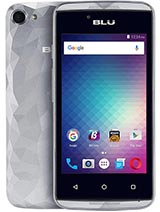
This review is written with AI assistance from BLU’s published specifications and public benchmark data for the BLU Energy Diamond Mini, and the rating is spec-based. GoSolo does not physically test devices; where we estimate real-world behaviour such as battery life or charge time, we say so. How we rate phones.
Overview
The BLU Energy Diamond Mini is a 2016 budget phone built around the idea of a removable battery and dual SIM—features that appeal in emerging markets but in no way compensate for the ancient MT6580 chip, 512 MB RAM, and HSPA-only connectivity that make it feel a decade old even by its own launch year. It is not worth buying in 2024 or later, and was already a compromise play in 2016.
Design & Build
The Energy Diamond Mini is compact and light—at 142g and 11.3mm thick, it fits easily in a pocket and does not tire the hand. The 4-inch display is a real thing: small enough for true single-hand use, which vanishes on most phones today. Build quality is sparse (no detail given in the specs), and the phone feels flimsy by 2016 standards, but it does not pretend to be anything else. The removable battery and dual-SIM tray are practical additions for users in markets where power infrastructure is shaky or where carrying two numbers is essential.
Display
A 4-inch, 480×800 LCD screen at 233 ppi is soft to the eye—text and photos look pixelated even up close. By 2016, rivals at this price had moved to at least 1280×720, making this feel like a step back. The 5:3 aspect ratio is odd; modern phones use 16:9 or taller. Brightness and color are not specified, so assume basic—adequate for outdoor use in weak light, but nothing to write home about. For an era when mid-range phones offered sharper panels, this is a real compromise.
Performance
The MT6580 and Mali-400MP2 GPU were last-gen in 2016 and are 28nm relics by today. Pair that with just 512 MB RAM, and the result is a phone that chokes on anything beyond basic calls, texts, and the FM radio. Apps will hang; multitasking is a fantasy. Android 5.1 (upgradable to 6.0) will run, but not smoothly. This is not a phone for email, social media, or casual gaming—it is a communications device, period. Even budget buyers in 2016 knew the MT6580 was weak; rivals like the Xiaomi Redmi 3 offered the same price with vastly more RAM and a faster chip.
Connectivity
HSPA only. No 4G LTE at all. In 2016, this was already a liability; by today, it is a non-starter. HSPA maxes out around 21 Mbps download—fine for 2G web browsing, useless for streaming or messaging apps that expect faster pipes. Wi-Fi b/g/n and Bluetooth 4.0 are present but basic. GPS works. The lack of NFC is normal for this tier and year. Dual SIM on GSM bands covers most of Asia and Africa, a real utility for the intended market.
Camera
5 MP rear with autofocus and LED flash; 2 MP front. Video maxes out at 720p 30fps. By 2016, entry-level phones offered 8 MP or better. This 5 MP sensor will produce soft, posterized stills, especially indoors or in complex lighting. The front camera is barely usable for selfies or video calls. Neither sensor is a selling point; they exist to cover the bare minimum. If you actually care about photos, look elsewhere—there are no strengths here to highlight.
Battery & Charging
The 3000 mAh, removable Li-Po battery is the real draw for users in power-stressed markets. With light use on HSPA, standby of up to 700 hours (29 days) is plausible; talk time reaches 72 hours on 2G. In practice, expect about a day of mixed use before needing a charge. The removable design means no waiting for the phone to die; swap in a spare and charge the dead one separately. Charging speed is not listed, but assume slow by modern terms. This was a genuine advantage in 2016 for certain regions; today, it is a nostalgia feature.
Software
Android 5.1 Lollipop (2014) with the option to upgrade to 6.0 Marshmallow (2015). Even then, the OS is five or six years old by any current standard. App support is spotty: Google Play will phase out compatibility, and modern apps either will not install or will lag severely on 512 MB RAM. Security patches long stopped; Lollipop and Marshmallow are known to have unfixed vulnerabilities. This phone cannot safely handle banking, payment apps, or any sensitive transaction. Use it as a secondary phone for calls and FM radio, period.
Value & Verdict
In July 2016, the Energy Diamond Mini was a budget phone sold on removable-battery appeal and dual SIM, not on performance. Today, it is a museum piece. The MT6580, 512 MB RAM, HSPA-only connectivity, and ancient OS make it unusable for the modern internet. Even in emerging markets where simpler phones make sense, the Redmi series and other rivals offer far better value for the same money. The removable battery is genuinely useful if you live in an area where electricity is scarce and you can find someone to manufacture or sell spares—a shrinking use case.
Verdict
This phone is not for anyone shopping today. If you live in a region with truly unreliable power and can source replacement batteries, and you only need calls, texts, and FM radio, the removable battery is a real advantage. Otherwise, a used 4G phone from 2017–2018 will outperform this in every way for similar or lower money. Do not buy this new in 2024 or later—it has been discontinued for good reason."
- Removable battery—rare on smartphones even now, valuable for users in areas with unreliable power
- Dual SIM and microSDXC expansion, both practical for emerging-market users
- Actually light at 142g with a reasonably compact 4-inch frame, easy to pocket
- Stereo FM radio and 3.5mm jack, still useful offline features in connectivity-sparse regions
- Only 512 MB RAM paired with a 2013-era MT6580 chip—any modern app hangs or crashes
- HSPA only, no 4G LTE; internet feels glacial by 2016 standards and wholly unusable now
- 480×800 display at 233 ppi looks soft and dated, even for 2016 budget phones
BLU Energy Diamond Mini Key Specifications
The essentials at a glance. See the full spec sheet.
| Released | 2016, July. Released 2016, July |
|---|---|
| Display | 4.0 inches, 45.5 cm2 (~54.3% screen-to-body ratio), LCD |
| Resolution | 480 x 800 pixels, 5:3 ratio (~233 ppi density) |
| Chipset | Mediatek MT6580 (28 nm) |
| RAM & storage | 4GB 512MB RAM |
| Main camera | 5 MP, AF |
| Selfie camera | 2 MP |
| Battery | 3000 mAh |
| Software | Android 5.1 (Lollipop), upgradable to 6.0 (Marshmallow) |
| Dimensions | 131.5 x 63.8 x 11.3 mm (5.18 x 2.51 x 0.44 in) |
| Weight | 142 g (5.01 oz) |
| Network | GSM / HSPA |
| NFC | No |
| USB | microUSB 2.0 |
BLU Energy Diamond Mini FAQ
Common questions, answered from the spec sheet.
Does the Energy Diamond Mini support 5G?
No. The Energy Diamond Mini tops out at GSM / HSPA, without 5G.
What chipset does the Energy Diamond Mini use?
The Energy Diamond Mini runs on the Mediatek MT6580 (28 nm).
What display does the Energy Diamond Mini have?
A 4.0 inches, 45.5 cm2 (~54.3% screen-to-body ratio) LCD, 480 x 800 pixels, 5:3 ratio (~233 ppi density).
How big is the Energy Diamond Mini battery?
The Energy Diamond Mini has a 3000 mAh battery.
Does the Energy Diamond Mini have NFC?
No, the Energy Diamond Mini does not list NFC support.
Does the Energy Diamond Mini support a microSD card?
Yes, the Energy Diamond Mini supports expandable storage (microSDXC).
Does the Energy Diamond Mini have a headphone jack?
Yes, the Energy Diamond Mini has a 3.5mm headphone jack.
Alternatives to consider
If the Energy Diamond Mini isn’t quite right, these are the closest calls.
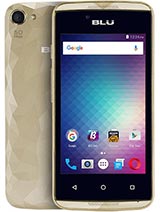
Energy Diamond
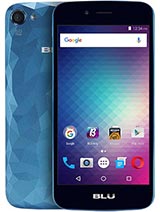
Diamond M
Energy M

Neo Energy Mini
Z4