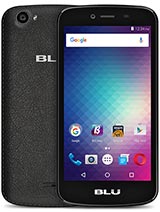
BLU Neo X LTE review
This phone belonged in 2016 and is only relevant now if you live in a market where even used mid-range phones are hard to find or afford. Anyone with access to recent budget phones should buy literally anything else; the 1GB RAM and low-res screen are not inconveniences—they are deal-breakers. Even as a rugged backup device, it falls short.
This review is written with AI assistance from BLU’s published specifications and public benchmark data for the BLU Neo X LTE, and the rating is spec-based. GoSolo does not physically test devices; where we estimate real-world behaviour such as battery life or charge time, we say so. How we rate phones.
Overview
The BLU Neo X LTE is a 2016 budget phone that feels dated even for its era: 1GB RAM, a 480p display, and a slow quad-core processor struggle with basic Android tasks. It may have worked as a no-frills backup or emerging-market device eight years ago, but today it's just slow.
Design & build
At 169 grams and 7.5mm thick, the Neo X LTE is compact and light, which counts for something. The 5.0-inch frame fits comfortably in one hand, and the phone does not feel cheap in the palm—there is a solidity to it. Dual SIM support and a removable battery were practical touches in 2016, though the removable battery is a relic even by that standard. The LCD screen-to-body ratio is only 63.9%, meaning thick bezels front and back. For a budget phone, the industrial design is inoffensive; it is just utterly forgettable.
Display
The 480 x 854 pixel LCD is the phone's biggest weakness. At 196 ppi, the pixel density is visibly coarse by modern standards, and even in 2016 this was behind the curve for a 5-inch screen. Text is slightly soft, and photographs look flat. Viewing angles are narrow on an old LCD panel. The brightness is adequate for indoor use but dims quickly in sunlight. This is a display that prioritises cost over usability; it works for calls and texts, but anything richer—web browsing, video, reading—becomes a chore.
Performance
The Mediatek MT6735 quad-core running at 1.0 GHz, paired with just 1GB of RAM, is underpowered even by 2016 mid-budget standards. Opening apps is sluggish, switching between tasks causes stutters, and any task that requires sustained compute (gaming, photo editing, heavy browsing) will freeze or crash. Android 6.0 Marshmallow adds overhead that the hardware cannot handle smoothly. The 8GB of storage sounds reasonable on paper, but after the OS, system apps, and basic utilities, only 4–5GB remains for user files. This phone will feel slow on day one and slower with every app update.
Camera
The 5MP main camera with autofocus and LED flash is basic by any standard. In good light it can capture a serviceable snapshot; colour accuracy is muted and detail is minimal. Indoors or low light, the LED flash creates harsh shadows and blown highlights. Video caps out at 720p at 30fps, which was acceptable in 2016 but is noticeably compressed today. The 2MP front camera is barely usable; selfies are muddy and over-processed. This phone is not a photography tool; it is a fallback option for urgent snaps.
Battery & charging
The 2500 mAh battery is a significant constraint. The spec sheet claims up to 16 hours of talk time on 3G, but that assumes minimal background usage and a fresh battery. In real life, with email, social media, and location services running, expect one day of moderate use, possibly less on LTE. The phone charges over microUSB 2.0 without a stated wattage, meaning it is slow—likely 5W or less. Crucially, there is no fast charging, and the slow chipset will not drain the battery quickly enough to matter. A removable battery was useful in 2016; you could carry a spare. Today, that feels archaic.
Software & connectivity
Android 6.0 Marshmallow ships here, which is seven years old and long out of support. Security patches ceased in 2017, making this phone a liability if you plan to use it online. LTE connectivity is confined to Category 4, capped at 150 Mbps download, which is usable but not fast by today's standards. Wi-Fi 802.11n (2.4GHz only) and Bluetooth 4.0 are functional but slow. GPS works. The FM radio and headphone jack are relics that might appeal to someone in a region with weak data coverage, but they do not justify the phone's many other compromises.
Value & verdict
In 2016, the BLU Neo X LTE was a barely-acceptable entry-level phone in markets without smartphone saturation. Today it is a museum piece. The 1GB RAM and 480p display would struggle even as a second device or a phone for a young child; neither the processing power nor the battery would keep up with modern apps. If you are considering this phone, you are likely in a market where new hardware is too expensive or unavailable. In that case, any slightly newer used phone—even a 2017–2018 model with 2–3GB RAM and a 720p screen—will feel like a massive upgrade.
Verdict
This phone belonged in 2016 and is only relevant now if you live in a market where even used mid-range phones are hard to find or afford. Anyone with access to recent budget phones should buy literally anything else; the 1GB RAM and low-res screen are not inconveniences—they are deal-breakers. Even as a rugged backup device, it falls short.
- Compact and light (169g, 7.5mm thin) with comfortable single-hand use
- Dual SIM support with 3G and 4G connectivity across multiple bands for global travel
- Removable battery, FM radio, and headphone jack for offline-heavy or low-data regions
- Only 1GB RAM makes multitasking painful; apps freeze or crash under load
- 480p LCD display is pixelated and dim; text is soft and browsing is tedious
- 2500 mAh battery with no fast charging; expect barely a full day of mixed use
BLU Neo X LTE Key Specifications
The essentials at a glance. See the full spec sheet.
| Released | 2016, August. Released 2016, August |
|---|---|
| Display | 5.0 inches, 68.9 cm2 (~63.9% screen-to-body ratio), LCD |
| Resolution | 480 x 854 pixels, 16:9 ratio (~196 ppi density) |
| Chipset | Mediatek MT6735 (28 nm) |
| RAM & storage | 8GB 1GB RAM |
| Main camera | 5 MP, AF |
| Selfie camera | 2 MP |
| Battery | 2500 mAh |
| Software | Android 6.0 (Marshmallow) |
| Dimensions | 146.1 x 73.8 x 7.5 mm (5.75 x 2.91 x 0.30 in) |
| Weight | 169 g (5.96 oz) |
| Network | GSM / HSPA / LTE |
| NFC | No |
| USB | microUSB 2.0 |
BLU Neo X LTE FAQ
Common questions, answered from the spec sheet.
Does the Neo X LTE support 5G?
No. The Neo X LTE tops out at GSM / HSPA / LTE, without 5G.
What chipset does the Neo X LTE use?
The Neo X LTE runs on the Mediatek MT6735 (28 nm).
What display does the Neo X LTE have?
A 5.0 inches, 68.9 cm2 (~63.9% screen-to-body ratio) LCD, 480 x 854 pixels, 16:9 ratio (~196 ppi density).
How big is the Neo X LTE battery?
The Neo X LTE has a 2500 mAh battery.
Does the Neo X LTE have NFC?
No, the Neo X LTE does not list NFC support.
Does the Neo X LTE support a microSD card?
Yes, the Neo X LTE supports expandable storage (microSDXC).
Does the Neo X LTE have a headphone jack?
Yes, the Neo X LTE has a 3.5mm headphone jack.
Alternatives to consider
If the Neo X LTE isn’t quite right, these are the closest calls.
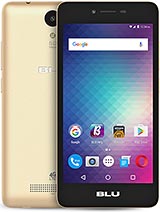
Studio G HD LTE
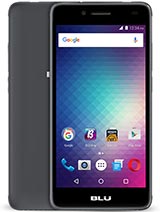
Studio C 8+8 LTE
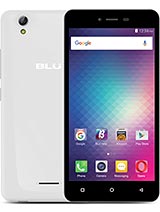
Studio M LTE
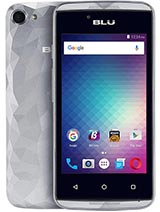
Energy Diamond Mini
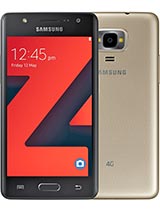
Z4