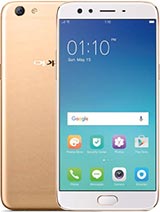
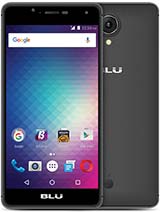
BLU R1 HD review
The BLU R1 HD was a forgettable budget phone in 2016 and is now a relic. Only consider it if you need a purely offline device with a headphone jack and are willing to accept glacial speed and all-day charging anxiety; anyone else should look at a modern used phone, even a modest one from 2018 or later."
This review is written with AI assistance from BLU’s published specifications and public benchmark data for the BLU R1 HD, and the rating is spec-based. GoSolo does not physically test devices; where we estimate real-world behaviour such as battery life or charge time, we say so. How we rate phones.
Overview
The BLU R1 HD is a bare-bones Android phone from 2016 with a small 5-inch screen, aging quad-core chipset, and a 2500 mAh battery that barely lasts a day. It was budget-conscious at launch, but it is now a relic: even among used or entry-level phones, you will find far better value elsewhere.
Design & build
The R1 HD is a genuinely compact phone: 143.5 mm tall, 72 mm wide, and just 8.7 mm thick, weighing only 142 grams. That makes it pocketable and light in hand, a real virtue when phones were starting to bloat. The 5-inch IPS LCD screen has a 66.7% screen-to-body ratio, which is respectable for 2016. Corning Gorilla Glass 3 on front offers basic scratch resistance. The phone feels like a basic candybar: functional, not fancy, and built to a budget. For a 2016 device, the materials and finish were adequate; now, it just feels dated.
Display
The 5-inch IPS LCD panel runs at 720 by 1280 pixels, yielding a pixel density of 294 ppi. That is a touch below crisp at arm's length, but IPS color and viewing angles are decent for the era. The screen is bright enough for outdoor use in moderate sunlight and does not dominate the bezel like modern phones. Watching video or reading text is serviceable, not sharp. By modern standards it looks soft, but that was the norm for budget phones eight years ago.
Performance
The Mediatek MT6735 is a budget chipset from 2015, a quad-core Cortex-A53 clocked at 1.3 GHz with Mali-T720 graphics. Paired with 1 or 2 GB of RAM, it struggles with multitasking and heavy apps. Even in 2016, this was entry-level; today, it is sluggish. Apps take time to launch, switching between multiple tasks causes stuttering, and anything beyond light browsing feels labored. Thermal throttling is common under load. This chip was never meant for gaming or intensive work, and time has only made that worse.
Software
The phone shipped with Android 6.0 Marshmallow in June 2016. BLU did not provide major OS updates, meaning you are stuck on a decade-old version of Android. Security patches ended years ago, leaving the device exposed to known vulnerabilities. The included bloatware is minimal—BLU typically ships a lighter skin than Samsung or others—but Android 6.0 itself feels ancient now: missing notification grouping, gesture navigation, adaptive battery, and all the modern conveniences. Using it today is like driving a car with outdated safety features.
Camera
The rear camera is 8 MP with f/2.0 aperture and autofocus, shooting 1080p video at 30 fps. The sensor is tiny (1/4 inch, 1.12 µm pixel size), so detail is limited even in good light. HDR and LED flash help in edge cases, but the output is flat and lacks dynamic range. The 5 MP selfie camera is passable for basic video calls or social media snaps, also with LED flash. Neither camera stands out, even for the era; they serve basic documentation and nothing more. The 8 MP rear was middle-of-the-road in 2016 and is plainly soft by today's standard.
Battery & charging
The 2500 mAh non-removable battery is the phone's biggest constraint. Expect around 6 to 8 hours of mixed use before needing a charge, and closer to 4 to 5 hours if you are streaming video or using GPS. On 2G standby, the phone will last days; on 3G, expect a few days of idle time. The spec sheet promises up to 24 hours of talk time on 2G, but real-world battery life is tight. There is no fast charging; microUSB 2.0 charges slowly, and the battery itself degrades fast after a few years. For 2016, this was weak; now, it is a deal-breaker.
Value & verdict-context
In 2016, the BLU R1 HD was a cheap entry-level phone aimed at first-time users and prepaid carriers in developing markets. It did the basics without breaking the bank. Today, it is obsolete. Even second-hand, you can find 2018–2019 phones with better processors, larger batteries, and more recent Android versions for similar money. The R1 HD is now a curiosity or a backup phone for the most undemanding use cases. If you are considering buying one, do not. The security risks alone—unpatched Android 6.0 after eight years—make it unsuitable for anything involving personal data, and the battery and performance will frustrate you daily.
Verdict
The BLU R1 HD was a forgettable budget phone in 2016 and is now a relic. Only consider it if you need a purely offline device with a headphone jack and are willing to accept glacial speed and all-day charging anxiety; anyone else should look at a modern used phone, even a modest one from 2018 or later."
- Lightweight at 142g and slim at 8.7mm, easy to hold and pocket
- Dedicated microSD slot for storage expansion
- 3.5mm headphone jack and loudspeaker intact
- Dual SIM for regional flexibility
- 2500 mAh battery is too small—expect 6 to 8 hours of mixed use at best
- Mediatek MT6735 and 1–2GB RAM feel sluggish by 2016 standards and are painfully slow now
- Android 6.0 from 2016 with no upgrade path; security patches have been gone for years
BLU R1 HD Key Specifications
The essentials at a glance. See the full spec sheet.
| Released | 2016, June. Released 2016, June |
|---|---|
| Display | 5.0 inches, 68.9 cm2 (~66.7% screen-to-body ratio), IPS LCD |
| Resolution | 720 x 1280 pixels, 16:9 ratio (~294 ppi density) |
| Chipset | Mediatek MT6735 (28 nm) |
| RAM & storage | 8GB 1GB RAM, 16GB 2GB RAM |
| Main camera | 8 MP, f/2.0, 1/4.0", 1.12µm, AF |
| Selfie camera | 5 MP |
| Battery | 2500 mAh |
| Software | Android 6.0 (Marshmallow) |
| Dimensions | 143.5 x 72 x 8.7 mm (5.65 x 2.83 x 0.34 in) |
| Weight | 142 g (5.01 oz) |
| Network | GSM / HSPA / LTE |
| NFC | No |
| USB | microUSB 2.0 |
BLU R1 HD FAQ
Common questions, answered from the spec sheet.
Does the R1 HD support 5G?
No. The R1 HD tops out at GSM / HSPA / LTE, without 5G.
What chipset does the R1 HD use?
The R1 HD runs on the Mediatek MT6735 (28 nm).
What display does the R1 HD have?
A 5.0 inches, 68.9 cm2 (~66.7% screen-to-body ratio) IPS LCD, 720 x 1280 pixels, 16:9 ratio (~294 ppi density).
How big is the R1 HD battery?
The R1 HD has a 2500 mAh battery.
Does the R1 HD have NFC?
No, the R1 HD does not list NFC support.
Does the R1 HD support a microSD card?
Yes, the R1 HD supports expandable storage (microSDXC (dedicated slot)).
Does the R1 HD have a headphone jack?
Yes, the R1 HD has a 3.5mm headphone jack.
Alternatives to consider
If the R1 HD isn’t quite right, these are the closest calls.
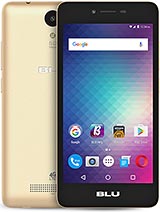
Studio G HD LTE
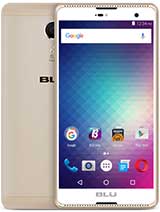
Grand 5.5 HD
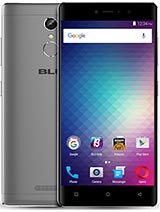
Vivo 5R
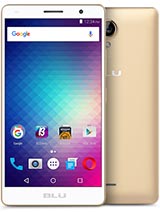
Studio G Plus HD
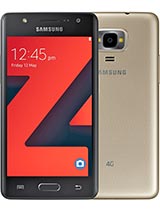
Z4