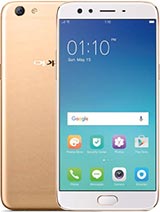
BLU Studio G Max review
This phone is obsolete and should not be purchased for any purpose today. Even in emerging markets with weak data networks, modern budget alternatives are far cheaper, faster, and more secure. Nostalgia or extreme cost pressure are the only reasons to consider it, and neither justifies the practical pain."
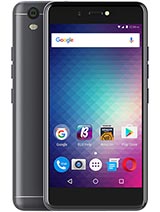
This review is written with AI assistance from BLU’s published specifications and public benchmark data for the BLU Studio G Max, and the rating is spec-based. GoSolo does not physically test devices; where we estimate real-world behaviour such as battery life or charge time, we say so. How we rate phones.
Overview
The BLU Studio G Max is a 2016 budget Android phone designed for bare-minimum connectivity and calling, not meaningful smartphone use—by 2024 standards it is entirely obsolete. The 1.3 GHz quad-core, 1 GB RAM, and 8 GB storage mean lag and storage anxiety even then; no 4G LTE makes it unusable for most of today's internet, apps, and services.
Network & Connectivity
This is the phone's fatal flaw. The Studio G Max is locked to HSPA 3G (peak 21.1 Mbps down), with no 4G LTE support whatsoever. In 2016, that was already behind the curve; today, 3G networks are shutting down globally and most services assume LTE or better. Apps will struggle to load, video will buffer endlessly, and maps and messaging will feel glacial. Dual SIM on paper is useful for travelers or multiple carriers, but the single 3G connection negates any real-world benefit.
Performance & Memory
A quad-core 1.3 GHz Cortex-A7 with Mali-400 GPU and only 1 GB RAM is barely a smartphone by modern standards—it was already underpowered in 2016. Expect stuttering through the UI, apps crashing or refusing to install, and rapid thermal throttling under any load. The 8 GB internal storage sounds adequate until you account for the OS footprint; usable space drops to around 3–4 GB, forcing heavy reliance on microSDXC for apps. Modern apps often exceed 100 MB; this phone will reject them outright.
Display
The 5.2-inch IPS LCD at 720×1280 (282 ppi) was acceptable for 2016 budget phones. Colors are dull by today's standards, brightness is limited, and the 16:9 ratio feels narrow compared to modern 20:9 screens. The 68% screen-to-body ratio means thick bezels; by current design language, it looks dated. For scrolling text and basic web pages, it works, but do not expect vibrant media consumption.
Camera
Both main and selfie cameras are 8 MP with LED flash, a specification that means poorly lit, low-detail shots. Even compared to entry-level phones from 2020, the output will disappoint: noise in shadows, soft focus, and washed-out colors are the norm. Video maxes out at 1080p 30fps, which is passable for casual clips but nothing more. The lack of phase-detect autofocus (only contrast AF via the spec) compounds focusing slowness.
Battery & Charging
The 2300 mAh battery will deliver a full day of light use, perhaps 14–16 hours of calling per the spec, but app usage drains it faster. No fast charging—spec sheet is silent on charger wattage, implying a standard 5V USB port. Charging will take 2–3 hours, and the aging Li-Po chemistry means capacity has degraded significantly since 2016. No power bank will save this; the small battery capacity itself is the bottleneck.
Software & Longevity
Android 6.0 (Marshmallow) shipped in 2015; the phone launched with it and will never receive an update. No security patches since discontinuation means known vulnerabilities remain unfixed. Google Play Store still functions, but many modern apps require Android 7 or higher, making the library practically inaccessible. Using this phone today is a security and privacy liability.
Value & Verdict
This phone has no place in 2024. Even as a second device for travel to regions with 3G infrastructure, the 1 GB RAM and ancient Android version make it useless. Budget phones today—under $100—offer 4G LTE, 3+ GB RAM, Android 12 or newer, and years of security support. If you need a cheap phone, buy a current-year entry-level device; do not resurrect a 2016 relic. The Studio G Max is a curiosity of the budget market's history, not a functional tool.
Verdict
This phone is obsolete and should not be purchased for any purpose today. Even in emerging markets with weak data networks, modern budget alternatives are far cheaper, faster, and more secure. Nostalgia or extreme cost pressure are the only reasons to consider it, and neither justifies the practical pain."
- Dual SIM and microSDXC card slot provide flexibility for travel or multiple carriers
- Compact and light at 146g and 8.1mm, pocket-friendly for a 5.2-inch phone
- 3.5mm headphone jack and FM radio for offline media in regions with weak data infrastructure
- No 4G LTE—limited to HSPA 3G speeds (21.1 Mbps), rendering modern apps, streaming, and web browsing impractical
- Only 1 GB RAM and 8 GB storage create constant lag and storage shortfalls; practically unusable out of the box
- Discontinued in 2016 and running Android 6.0 (Marshmallow); no security updates and incompatible with modern apps
BLU Studio G Max Key Specifications
The essentials at a glance. See the full spec sheet.
| Released | 2016, November. Released 2016, November |
|---|---|
| Display | 5.2 inches, 74.5 cm2 (~68.0% screen-to-body ratio), IPS LCD |
| Resolution | 720 x 1280 pixels, 16:9 ratio (~282 ppi density) |
| Chipset | Mediatek MT6580 (28 nm) |
| RAM & storage | 8GB 1GB RAM |
| Main camera | 8 MP, AF |
| Selfie camera | 8 MP |
| Battery | 2300 mAh |
| Software | Android 6.0 (Marshmallow) |
| Dimensions | 148.4 x 73.9 x 8.1 mm (5.84 x 2.91 x 0.32 in) |
| Weight | 146 g (5.15 oz) |
| Network | GSM / HSPA |
| NFC | No |
| USB | microUSB 2.0 |
BLU Studio G Max FAQ
Common questions, answered from the spec sheet.
Does the Studio G Max support 5G?
No. The Studio G Max tops out at GSM / HSPA, without 5G.
What chipset does the Studio G Max use?
The Studio G Max runs on the Mediatek MT6580 (28 nm).
What display does the Studio G Max have?
A 5.2 inches, 74.5 cm2 (~68.0% screen-to-body ratio) IPS LCD, 720 x 1280 pixels, 16:9 ratio (~282 ppi density).
How big is the Studio G Max battery?
The Studio G Max has a 2300 mAh battery.
Does the Studio G Max have NFC?
No, the Studio G Max does not list NFC support.
Does the Studio G Max support a microSD card?
Yes, the Studio G Max supports expandable storage (microSDXC).
Does the Studio G Max have a headphone jack?
Yes, the Studio G Max has a 3.5mm headphone jack.
Alternatives to consider
If the Studio G Max isn’t quite right, these are the closest calls.
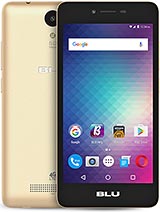
Studio G HD LTE
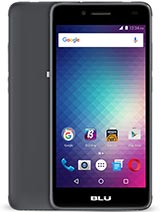
Studio C 8+8
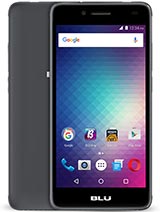
Studio C 8+8 LTE
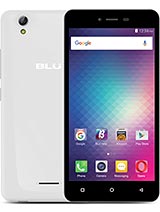
Studio M LTE
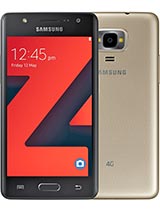
Z4