BLU Studio M LTE review
The BLU Studio M LTE is a relic suitable only for someone who needs a basic backup phone for calls and texts and has no access to anything newer. Anyone else—including first-time smartphone buyers—should look for a used budget model from 2020 or later, which will cost roughly the same but be dramatically faster and more usable.
This review is written with AI assistance from BLU’s published specifications and public benchmark data for the BLU Studio M LTE, and the rating is spec-based. GoSolo does not physically test devices; where we estimate real-world behaviour such as battery life or charge time, we say so. How we rate phones.
Overview
The BLU Studio M LTE is a budget Android phone from 2016 that has aged poorly: a 1GHz quad-core processor, 1GB RAM, and a 196ppi 480x854 display make it sluggish and dim by any modern standard, and it was already dated at launch. Unless you need a second phone for calls and texts only, there are better-value used or budget alternatives available today.
Design & Build
At 155g and 8.5mm thick, the Studio M is light and pocketable—good for a second phone or field work. The compact 5-inch body is easier to handle than modern 6-inch flagships, and the dual SIM slot using micro-SIM cards was practical for travellers and regional users in 2016. There is no information on materials or durability, but the overall footprint is sensible for the money. However, age has not been kind; this phone feels brittle and outdated in hand compared to even budget rivals from the past few years.
Display
The 480x854 resolution on a 5-inch screen delivers only 196 pixels per inch—roughly the pixel density of a phone from 2012. Text is chunky, icons lack sharpness, and web pages look jagged. An IPS LCD panel is fine for colour, but the low resolution is the real problem here. By 2016, even budget phones were pushing 1080p or at least 720p on a 5-inch display, so this phone was cheap-feeling from day one. Reading for long stretches is fatiguing.
Performance
A 1GHz quad-core Cortex-A53 and 1GB RAM struggle with basic Android 6.0. Apps open slowly, scrolling stutters, and switching between tasks is painful. The Mali-T720 GPU is entry-level even for 2016, making gaming pointless. This specs sheet screams "clearance bargain bin," and in real use, every interaction feels like waiting for the phone to think. For email, calls, and the occasional text message, it will work. For anything beyond that—including moderate web browsing, social media, or camera use—expect frequent lag.
Camera
The 8MP rear camera with autofocus and LED flash can record 1080p video, which sounds reasonable on paper. In practice, the sensor is small and basic, and the 1GHz processor hampers processing. Photos are soft, colours are dull, and there is no real-time preview smoothness. The 2MP selfie camera is a relic. For a phone this old and this cheap, the camera is forgettable—it takes pictures, but they will not impress anyone.
Battery & Charging
The 2300mAh battery is tiny and will struggle to last a full day with moderate use. Standby times of up to 550 hours (2G) or 400 hours (3G) tell you this phone is designed for light users or secondary devices. Fast charging does not exist here; you are looking at old-school microUSB and slow trickle charging. In real terms, expect to plug in by evening if you use the phone for anything beyond occasional calls.
Software & Connectivity
Android 6.0 Marshmallow arrived in late 2015, so the phone shipped already one full Android version behind. By now, it is three years or more out of date, meaning no security patches, no OS updates, and no access to modern apps that demand newer Android versions. LTE Cat4 with bands 2, 4, 7, 12, and 17 covers most regions, but speeds max out at 150Mbps down, which is fine for basic browsing. Wi-Fi 802.11n and Bluetooth 4.0 are functional. The inclusion of FM radio and microSD expansion are genuine bonuses for emerging markets, though they do not fix the core performance problem.
Value & Verdict
In 2016, the BLU Studio M LTE was a budget phone designed to undercut rivals with bare-minimum specs and a low price. Today, it is obsolete. For the cost of repairing or maintaining this device, you could buy a used 2022 budget phone with 4GB RAM, a 90Hz display, and modern Android. If you absolutely need a second SIM phone that makes calls and runs WhatsApp, it will do that—but do not expect speed, clarity, or peace of mind. The hardware is too weak, the battery too small, and the software too old. Even in emerging markets where cheap phones are essential, this one has been superseded by better options at similar or lower prices.
Verdict
The BLU Studio M LTE is a relic suitable only for someone who needs a basic backup phone for calls and texts and has no access to anything newer. Anyone else—including first-time smartphone buyers—should look for a used budget model from 2020 or later, which will cost roughly the same but be dramatically faster and more usable.
- Dual SIM support for regional flexibility
- Headphone jack and microSD expansion
- Compact 5-inch footprint and light at 155g
- FM radio for markets where it still matters
- Only 1GB RAM and 1GHz quad-core make everyday tasks sluggish and app multitasking painful
- 480x854 resolution is too low even for a 5-inch screen—text and icons look blocky
- 2300mAh battery is small and will not last a full day of real use
BLU Studio M LTE Key Specifications
The essentials at a glance. See the full spec sheet.
| Released | 2016, August. Released 2016, August |
|---|---|
| Display | 5.0 inches, 68.9 cm2 (~65.5% screen-to-body ratio), IPS LCD |
| Resolution | 480 x 854 pixels, 16:9 ratio (~196 ppi density) |
| Chipset | Mediatek MT6735 (28 nm) |
| RAM & storage | 8GB 1GB RAM |
| Main camera | 8 MP, AF |
| Selfie camera | 2 MP |
| Battery | 2300 mAh |
| Software | Android 6.0 (Marshmallow) |
| Dimensions | 145 x 72.5 x 8.5 mm (5.71 x 2.85 x 0.33 in) |
| Weight | 155 g (5.47 oz) |
| Network | GSM / HSPA / LTE |
| NFC | No |
| USB | microUSB 2.0, OTG |
BLU Studio M LTE FAQ
Common questions, answered from the spec sheet.
Does the Studio M LTE support 5G?
No. The Studio M LTE tops out at GSM / HSPA / LTE, without 5G.
What chipset does the Studio M LTE use?
The Studio M LTE runs on the Mediatek MT6735 (28 nm).
What display does the Studio M LTE have?
A 5.0 inches, 68.9 cm2 (~65.5% screen-to-body ratio) IPS LCD, 480 x 854 pixels, 16:9 ratio (~196 ppi density).
How big is the Studio M LTE battery?
The Studio M LTE has a 2300 mAh battery.
Does the Studio M LTE have NFC?
No, the Studio M LTE does not list NFC support.
Does the Studio M LTE support a microSD card?
Yes, the Studio M LTE supports expandable storage (microSDXC).
Does the Studio M LTE have a headphone jack?
Yes, the Studio M LTE has a 3.5mm headphone jack.
Alternatives to consider
If the Studio M LTE isn’t quite right, these are the closest calls.
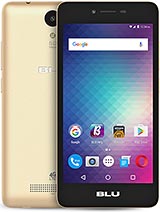
Studio G HD LTE
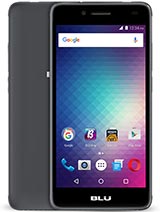
Studio C 8+8 LTE
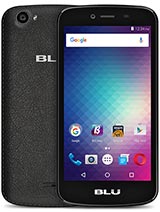
Neo X LTE
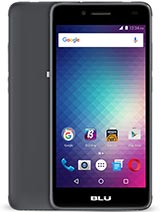
Studio C 8+8
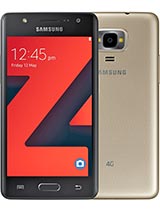
Z4