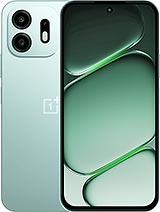
Cubot KingKong ES 3 review
The KingKong ES 3 suits field workers, construction crews, and travelers in remote areas who need a phone that survives neglect and lasts days between charges. Skip it if you need responsive performance, a sharp display, or serious camera work; for €120, this is a specialist tool, not a daily driver for everyday users.
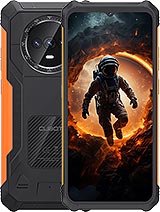
This review is based on Cubot’s published specifications and public benchmark data for the Cubot KingKong ES 3, and the rating is spec-based. GoSolo does not physically test devices; where we estimate real-world behaviour such as battery life or charge time, we say so. How we rate phones.
Overview
The KingKong ES 3 is a rugged budget phone built to survive jobsites and remote work, with IP68/IP69K toughness and a 5100mAh battery that lasts about two days on light use. Performance and display are basic by design, but for those who need durability over speed at €120, it delivers.
Design & durability
At 268g and 12.8mm thick, the KingKong ES 3 is slim for its screen size, but it is built like a toolbox. IP68/IP69K certification means it survives submersion to 1.5 meters for 30 minutes and can take high-pressure water jets—the kind of toughness that matters on a jobsite or in harsh climates. The Mohs level 6 screen is harder than ordinary Gorilla Glass, so scratches are less of a worry. Dual Nano-SIM slots and a shared microSD slot keep it flexible for regional work or travel. This is a phone designed to be dropped, rained on, and still work at day's end.
Display
The 6.56-inch 90Hz IPS LCD is large and the refresh rate keeps scrolling smooth, but 720 x 1612 pixels across that diagonal leaves only 269ppi—text reads soft and edges lack crispness at typical reading distance. The 20:9 aspect ratio is narrow enough to fit in one hand despite the size. Brightness specs are missing from the sheet, which is a red flag for outdoor legibility; at this price point, daylight performance is often mediocre. For reading messages and browsing, it works. For photo editing or fine print, it disappoints.
Performance
The Unisoc T606 is an entry-level chipset from 2024, capable enough for messaging, calls, and light apps like YouTube or email. With 6GB RAM, everyday multitasking is passable, but opening several tabs or running background tasks exposes lag. Gaming is a no-go for anything demanding; Candy Crush and simple 2D titles are fine, but 3D games struggle. This is not a phone for people who want snappy performance—it is for workers and elderly users who need reliability and battery life over speed.
Software
Android 14 ships out of the box, which is current and receives security updates. Cubot's interface is light and close to stock, so there is no bloatware slowdown. Update frequency for this brand is unpredictable, but at this price, a couple of years of security patches is the realistic expectation.
Camera
The 48MP main sensor with PDAF is the headline, and it does deliver usable daylight shots with decent detail if you crop the 48MP output. The PDAF helps focus speed in bright conditions. A 2MP macro lens is a spec-sheet gimmick and contributes almost nothing practical. The 16MP selfie camera handles video calls and casual portraits without embarrassment. There is no telephoto, no ultrawide, and night mode is not mentioned—do not expect sophisticated imaging. This is a camera that works for documentation and casual snaps, nothing more.
Battery & charging
The 5100mAh battery is generous for the chipset and modest display, yielding roughly 40–48 hours of light use (emails, messaging, calls) and about 8–10 hours of mixed screen time before needing a charge. For field workers or remote travelers, this is a real advantage. The 33W wired charging fills the battery in approximately 60–75 minutes, which is average by 2024 standards but slow enough that overnight charging becomes the routine. There is no wireless charging, and that is fine at this price.
Connectivity & verdict
LTE only—no 5G. That means you are dependent on 4G band coverage, which is a real limitation in countries with patchy rural LTE. Wi-Fi 5 and Bluetooth 5.0 are solid. NFC is absent, which rules out mobile payments in markets that rely on contactless. The lack of a headphone jack is standard now and not a real loss given cheap wireless options. For someone buying this phone, connectivity is not the main story. It is durability, battery life, and ruggedness at an underdog price.
Verdict
The KingKong ES 3 suits field workers, construction crews, and travelers in remote areas who need a phone that survives neglect and lasts days between charges. Skip it if you need responsive performance, a sharp display, or serious camera work; for €120, this is a specialist tool, not a daily driver for everyday users.
- IP68/IP69K rating plus solid build mean it survives submersion, high-pressure water jets, and the drops that kill ordinary phones; built for outdoor and field work.
- 5100mAh battery easily clears two days of casual use, and 33W charging fills it in roughly an hour—practical for workers who charge overnight.
- 6.56-inch 90Hz display is large and smooth for reading and scrolling despite the soft 269ppi text; 20:9 ratio fits the screen into a reasonably slim 12.8mm body.
- Unisoc T606 is entry-level even for 2024; heavy apps stutter, demanding games are off the table, and multitasking with many open tabs lags.
- 720p resolution on a 6.56-inch screen means text looks soft at arm's length and fine detail is lost; no brightness spec listed, so sunlight legibility is a gamble.
Cubot KingKong ES 3 Key Specifications
The essentials at a glance. See the full spec sheet.
| Released | 2024, August 20 |
|---|---|
| Display | 6.56 inches, 103.4 cm2 (~73.8% screen-to-body ratio), IPS LCD, 90Hz |
| Resolution | 720 x 1612 pixels, 20:9 ratio (~269 ppi density) |
| Chipset | Unisoc T606 (12 nm) |
| RAM & storage | 128GB 6GB RAM |
| Main camera | 48 MP, (wide), PDAF 2 MP (macro) Auxiliary lens |
| Selfie camera | 16 MP |
| Battery | 5100 mAh |
| Charging | 33W wired |
| Software | Android 14 |
| Dimensions | 172.6 x 81.2 x 12.8 mm (6.80 x 3.20 x 0.50 in) |
| Weight | 268 g (9.45 oz) |
| Durability | IP68/IP69K dust tight and water resistant (high pressure water jets; immersible up to 1.5m for 30 min) |
| Network | GSM / HSPA / LTE |
| NFC | No |
| USB | USB Type-C |
Cubot KingKong ES 3 FAQ
Common questions, answered from the spec sheet.
Does the KingKong ES 3 support 5G?
No. The KingKong ES 3 tops out at GSM / HSPA / LTE, without 5G.
What chipset does the KingKong ES 3 use?
The KingKong ES 3 runs on the Unisoc T606 (12 nm).
What display does the KingKong ES 3 have?
A 6.56 inches, 103.4 cm2 (~73.8% screen-to-body ratio) IPS LCD, 90Hz, 720 x 1612 pixels, 20:9 ratio (~269 ppi density).
How big is the KingKong ES 3 battery?
The KingKong ES 3 has a 5100 mAh battery. Charging is rated at 33W wired.
Does the KingKong ES 3 have NFC?
No, the KingKong ES 3 does not list NFC support.
Is the KingKong ES 3 water resistant?
The KingKong ES 3 carries a IP68/IP69K dust tight and water resistant (high pressure water jets; immersible up to 1.5m for 30 min) rating.
Does the KingKong ES 3 support a microSD card?
Yes, the KingKong ES 3 supports expandable storage (microSDXC (uses shared SIM slot)).
Does the KingKong ES 3 have a headphone jack?
No, the KingKong ES 3 does not have a 3.5mm headphone jack.
Alternatives to consider
If the KingKong ES 3 isn’t quite right, these are the closest calls.
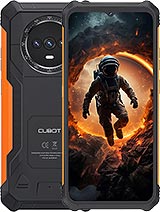
KingKong ES Pro
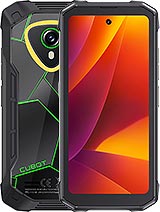
KingKong Mini 4
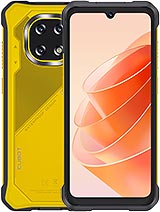
KingKong ES5
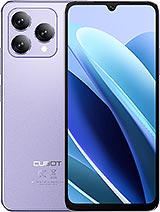
A40
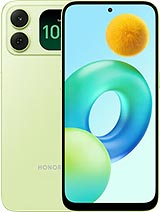
X5d s