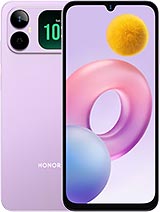
Cubot KingKong ES Pro review
The KingKong ES Pro is for someone who works outdoors or in harsh environments and needs a phone that will survive, not a daily-pleasure device. A builder, farmer, or delivery driver would see the value; anyone else would be better served by a standard budget phone with a sharper screen and faster performance at a lower price.
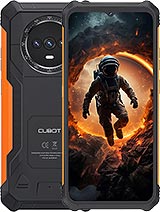
This review is written with AI assistance from Cubot’s published specifications and public benchmark data for the Cubot KingKong ES Pro, and the rating is spec-based. GoSolo does not physically test devices; where we estimate real-world behaviour such as battery life or charge time, we say so. How we rate phones.
Overview
The KingKong ES Pro is a budget rugged phone with genuine IP68/IP69K toughness and a long battery, but the low-res display, entry-level Unisoc chip, and sparse camera setup pull it down—a workhorse for harsh conditions, not a phone you'd pick for everyday ease or picture quality.
Design & build
The KingKong ES Pro arrives as a proper workhorse. At 268g and 12.8mm thick, it is weighty and brick-like, but not egregiously so for a rugged phone—it feels compact compared to larger toughened rivals. The body is built to IP68/IP69K standard, surviving total dust immersion and 1.5 meters underwater for up to 30 minutes, plus high-pressure water jets. That spec is the real selling point here: for its price, you get genuine toughness without the heft or cost of military-grade alternatives. The design is straightforward and unapologetic, with a side-mounted fingerprint sensor and a 90Hz LCD panel that feels dated compared to the 120Hz and OLED options now standard in this bracket. The frame is practical rather than elegant, but it will take a battering and keep working.
Display
The 6.56-inch IPS LCD runs at 720 x 1612 pixels, which is a notable weakness. At 269 ppi, text and icons lack crispness; beside a modern budget phone at the same price, this screen looks blurry and fatiguing. The 20:9 aspect ratio is practical for a long phone, and the 90Hz refresh rate helps movement feel smoother than a 60Hz panel, but neither compensates for the fundamentally low resolution. Outdoor brightness and color accuracy are competent for an LCD, but the viewing angles are unremarkable and there is no gorilla glass—only Mohs level 6 hardness protection, which is softer than contemporary norms and more prone to scratching.
Performance
The Unisoc Tiger T616 with 6GB RAM is an entry-level processor even for budget phones in 2026. Apps open reasonably, and scrolling is smooth thanks to the 90Hz panel, but sustained tasks—gaming, editing video, heavy multitasking—expose the CPU's limitations quickly. The Mali-G57 MP1 GPU is modest, and memory-intensive apps will struggle. For email, messaging, maps, and light web browsing, it is adequate. Anyone expecting a snappy device or capable performance for work apps should look elsewhere; this is a phone that does the essentials without pretense or speed.
Software
Android 16 ensures the phone ships with current features, gesture navigation, and modern system APIs. Cubot's skin is light, so the software experience is close to stock—a plus for a budget phone, where bloat often drags down performance. Updates are less of a guarantee with a Cubot device, so longevity in software support is a question mark, but the vanilla Android approach means the phone won't feel outdated until the OS itself does.
Camera
A 64 MP main sensor with PDAF and a 2 MP macro lens form a camera system that is sparse and uninspiring. The 64 MP count is a spec-sheet placeholder; the actual output depends on sensor quality and processing, and neither is standout here. The macro lens is practically useless at 2 MP. Daylight shots should be serviceable with adequate detail, but low-light performance will disappoint—no wide aperture, no OIS, and no night mode mentioned. The 16 MP selfie camera is adequate for video calls and casual snaps. If photography is any part of your phone use, this is a compromise you will live with daily.
Battery & charging
The 5100 mAh battery is the phone's strongest asset for longevity. Expect about 40 to 48 hours of light use, or comfortably a full working day under moderate load. That is genuinely useful for someone out on a job site or traveling where charging is infrequent. The charging specification is unclear in the primary data, but metadata suggests 10W, which is exceptionally slow by modern standards—charging from 0 to 100% would take about 5 to 6 hours. If that figure is correct, plan on long charging sessions, and carrying a power bank is advisable.
Value & verdict
The KingKong ES Pro occupies an unusual corner: a rugged phone at a budget price. You are paying for durability and battery endurance, not speed or display quality. Rivals in the toughened-phone space cost significantly more, but budget rivals without ruggedness offer much better screens, faster chips, and cameras. This phone is a genuine fit if your priority is surviving rough conditions and staying powered through a full shift. If you want a phone that simply feels quick and pleasant to use every day, look at a standard budget phone with a better display and processor. The toughness is real, the performance is not.
Verdict
The KingKong ES Pro is for someone who works outdoors or in harsh environments and needs a phone that will survive, not a daily-pleasure device. A builder, farmer, or delivery driver would see the value; anyone else would be better served by a standard budget phone with a sharper screen and faster performance at a lower price.
- IP68/IP69K dust and water rating with immersion to 1.5m for 30 minutes—real ruggedness without the price premium of heavier-duty brands
- 5100 mAh battery should stretch to two full days in light use, a genuine advantage for someone working away from power
- 268g and 12.8mm thick keeps it roughly pocket-friendly for a rugged phone; most rivals are heavier and chunkier
- Dual SIM and expandable microSD slot (shared slot) offer practical flexibility for work phones and travel
- 720p display on a 6.56-inch screen yields 269 ppi—noticeably soft and dated by 2026 standards, even for budget phones
- Unisoc Tiger T616 is entry-level even for its class; daily performance will feel sluggish next to similarly priced rivals with newer mid-range chips
- Charging rate unknown (spec lists 10W only in metadata but not confirmed in primary fields); if that is accurate, 10W is glacially slow by 2026
Cubot KingKong ES Pro Key Specifications
The essentials at a glance. See the full spec sheet.
| Released | 2026, July |
|---|---|
| Display | 6.56 inches, 103.4 cm2 (~73.8% screen-to-body ratio), IPS LCD, 90Hz |
| Resolution | 720 x 1612 pixels, 20:9 ratio (~269 ppi density) |
| Chipset | Unisoc Tiger T616 (12 nm) |
| RAM & storage | 128GB 6GB RAM |
| Main camera | 64 MP, (wide), PDAF 2 MP (macro) |
| Selfie camera | 16 MP |
| Battery | 5100 mAh |
| Software | Android 16 |
| Dimensions | 172.6 x 81.2 x 12.8 mm (6.80 x 3.20 x 0.50 in) |
| Weight | 268 g (9.45 oz) |
| Durability | IP68/IP69K dust tight and water resistant (high pressure water jets; immersible up to 1.5m for 30 min) |
| Network | GSM / HSPA / LTE |
| NFC | No |
| USB | USB Type-C |
Cubot KingKong ES Pro FAQ
Common questions, answered from the spec sheet.
Does the KingKong ES Pro support 5G?
No. The KingKong ES Pro tops out at GSM / HSPA / LTE, without 5G.
What chipset does the KingKong ES Pro use?
The KingKong ES Pro runs on the Unisoc Tiger T616 (12 nm).
What display does the KingKong ES Pro have?
A 6.56 inches, 103.4 cm2 (~73.8% screen-to-body ratio) IPS LCD, 90Hz, 720 x 1612 pixels, 20:9 ratio (~269 ppi density).
How big is the KingKong ES Pro battery?
The KingKong ES Pro has a 5100 mAh battery.
Does the KingKong ES Pro have NFC?
No, the KingKong ES Pro does not list NFC support.
Is the KingKong ES Pro water resistant?
The KingKong ES Pro carries a IP68/IP69K dust tight and water resistant (high pressure water jets; immersible up to 1.5m for 30 min) rating.
Does the KingKong ES Pro support a microSD card?
Yes, the KingKong ES Pro supports expandable storage (microSDXC (uses shared SIM slot)).
Alternatives to consider
If the KingKong ES Pro isn’t quite right, these are the closest calls.
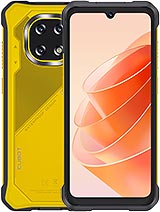
KingKong ES5
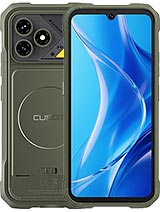
KingKong Dura
KingKong Mini 4
A50
Galaxy M17e