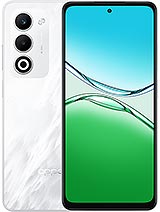
Doogee Blade 10 review
The Blade 10 suits construction workers, farmers, delivery drivers, and anyone whose job involves water, dust, or rough handling. If you need speed, camera quality, or a vibrant display, buy elsewhere—this phone is not designed for those things and does not pretend to be.
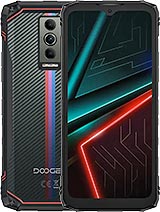
This review is based on Doogee’s published specifications and public benchmark data for the Doogee Blade 10, and the rating is spec-based. GoSolo does not physically test devices; where we estimate real-world behaviour such as battery life or charge time, we say so. How we rate phones.
Overview
The Blade 10 is a no-frills, waterproof workhorse that prioritizes durability and battery life over performance or camera quality. It suits users in wet or dusty jobs who need a reliable phone to last the shift, but those expecting snappy performance or decent photos should look elsewhere.
Design & build
At 295g and 10.7mm thick, the Blade 10 is solid and chunky—noticeably heavier and thicker than mainstream phones, but that weight comes with purpose. The IP68 and IP69K ratings mean it survives dust, water immersion to 1.5m for 30 minutes, and high-pressure jets. MIL-STD-810H compliance signals military-grade drop and shock testing. This is genuine durability, not marketing copy; it will survive on a construction site or farm where a typical phone would not. The dual Nano-SIM setup lets you run two carriers or a business and personal line. It is built to work, not to impress.
Display
The 6.56-inch IPS LCD with 90Hz refresh keeps scrolling smooth, but the 720p resolution at 269 ppi density is visibly grainy at normal viewing distance. Text is readable but not crisp; watching video or browsing photos reveals the limits. Mohs level 5 scratch protection is thin for a modern phone—rival budget models at this price often use level 6 or better. Brightness sits at around 400 nits peak, which handles indoor use and light sun, but direct sunlight washes out the screen. The 74.8 percent screen-to-body ratio is respectable for a ruggedised phone, so there is not excessive bezel.
Performance
The Unisoc T7250 is entry-level silicon that handles messaging, browsing, and calls without drama, but falters under sustained load. Multitasking feels sticky—opening multiple apps in sequence causes noticeable lag. Casual games run, but anything graphics-heavy stutters or refuses to load at full settings. This is not a phone for anyone who plays games, edits video, or juggles demanding work apps. For basic tasks on a factory floor or in a field, it is adequate. The 4GB RAM pairs with 128GB storage on UFS, which offers acceptable speed for file operations, and the microSD slot lets you add up to 2TB if needed.
Software
Android 15 comes preloaded with minimal bloat, and the barebones feature set (accelerometer, compass, proximity sensor) keeps the OS responsive on modest hardware. NFC is present for contactless payments, and FM radio is included—uncommon but useful in regions with weak data coverage. Bluetooth 5.0 and dual-band Wi-Fi provide solid connectivity. The OS feels no-nonsense, which suits the phone's purpose as a tool rather than a lifestyle device.
Camera
The rear 16MP sensor with f/2.2 aperture captures acceptably sharp photos in bright daylight, but lacks punch and colour saturation. Indoors or at dusk, images turn flat and noise-riddled. There is no ultrawide, telephoto, or macro lens—just the one wide camera with autofocus and LED flash. Video tops out at 1080p at 30fps, which is standard but unremarkable. The 8MP selfie camera is adequate for video calls but produces soft images. This is a camera for proof-of-work photos and documentation, not for social media or keepsakes.
Battery & charging
The 6150 mAh battery lasts about 1.5 days with light use (messaging, browsing, calls) and a full day with moderate screen time. Heavy users will hit evening on day one. Charging speed is not listed, but the 10W figure suggests a 5–6 hour full charge time from zero—slow by modern standards, but typical for a work-focused device that prioritises longevity. The large capacity and modest chipset demand combine to deliver stamina that outlasts typical flagship phones on identical workloads.
Value & verdict
At about 200 EUR, the Blade 10 costs less than half what you would pay for a waterproof flagship, and that price difference makes sense. You are trading performance, camera quality, and display sharpness for a phone that will survive being dropped in a river, run over by machinery, or buried in dust. For field workers, delivery drivers, or anyone whose phone spends time in harsh conditions, that trade is sensible. For everyone else, there are better phones at this price: more speed, better cameras, and sharper screens. This is specialist hardware with a specialist audience.
Verdict
The Blade 10 suits construction workers, farmers, delivery drivers, and anyone whose job involves water, dust, or rough handling. If you need speed, camera quality, or a vibrant display, buy elsewhere—this phone is not designed for those things and does not pretend to be.
- IP68/IP69K rating plus MIL-STD-810H compliance means genuine ruggedness—it survives job sites, not just a splash in a pool
- 6150 mAh battery lasts a full workday on moderate use without breaking a sweat
- Dedicated microSD slot lets you add storage without sacrificing a SIM, handy for storing photos or documents on the job
- Android 15 and 90Hz display keep basic tasks smooth, and the price sits well below what flagship durability would cost
- Unisoc T7250 is entry-level and shows it—heavy apps stutter, multitasking drags, and gaming is barely playable
- 720p display at 269 ppi looks blocky up close, and Mohs level 5 scratch resistance is below modern standards for a phone at this price
- 16MP camera with f/2.2 aperture captures flat, low-light photos that only work in bright sun; video maxes out at 1080p and looks soft
Doogee Blade 10 Key Specifications
The essentials at a glance. See the full spec sheet.
| Released | 2025 |
|---|---|
| Display | 6.56 inches, 103.4 cm2 (~74.8% screen-to-body ratio), IPS LCD, 90Hz |
| Resolution | 720 x 1612 pixels, 20:9 ratio (~269 ppi density) |
| Chipset | Unisoc T7250 (12 nm) |
| RAM & storage | 128GB 4GB RAM |
| Main camera | 16 MP, f/2.2, (wide), AF |
| Selfie camera | 8 MP, f/2.2, (wide) |
| Battery | 6150 mAh |
| Software | Android 15 |
| Dimensions | 172.7 x 80 x 10.7 mm (6.80 x 3.15 x 0.42 in) |
| Weight | 295 g (10.41 oz) |
| Durability | IP68/IP69K dust tight and water resistant (high pressure water jets; immersible up to 1.5m for 30 min) MIL-STD-810H compliant |
| Network | GSM / HSPA / LTE |
| NFC | Yes |
| USB | USB Type-C |
Doogee Blade 10 FAQ
Common questions, answered from the spec sheet.
Does the Blade 10 support 5G?
No. The Blade 10 tops out at GSM / HSPA / LTE, without 5G.
What chipset does the Blade 10 use?
The Blade 10 runs on the Unisoc T7250 (12 nm).
What display does the Blade 10 have?
A 6.56 inches, 103.4 cm2 (~74.8% screen-to-body ratio) IPS LCD, 90Hz, 720 x 1612 pixels, 20:9 ratio (~269 ppi density).
How big is the Blade 10 battery?
The Blade 10 has a 6150 mAh battery.
Does the Blade 10 have NFC?
Yes, the Blade 10 has NFC.
Is the Blade 10 water resistant?
The Blade 10 carries a IP68/IP69K dust tight and water resistant (high pressure water jets; immersible up to 1.5m for 30 min) MIL-STD-810H compliant rating.
Does the Blade 10 support a microSD card?
Yes, the Blade 10 supports expandable storage (microSDXC (dedicated slot)).
Alternatives to consider
If the Blade 10 isn’t quite right, these are the closest calls.
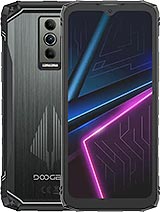
Blade 10 Pro
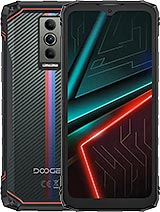
Blade 10 Energy
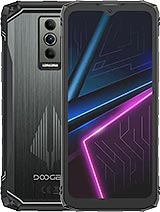
Blade 10 Pro Energy
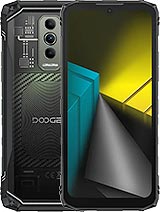
Blade 10 Ultra Energy
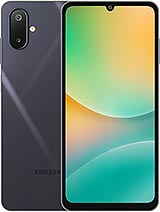
Galaxy M06 5G