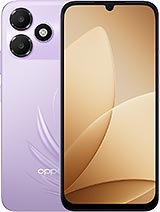
Doogee Blade 10 Energy review
This phone suits someone in construction, farming, field service, or outdoor work who prioritizes durability and battery life over raw performance or screen quality. If you want gaming, fast processing, or a high-res display, or if you work in an office and rarely face dust or water, look elsewhere.
This review is written with AI assistance from Doogee’s published specifications and public benchmark data for the Doogee Blade 10 Energy, and the rating is spec-based. GoSolo does not physically test devices; where we estimate real-world behaviour such as battery life or charge time, we say so. How we rate phones.
Overview
The Blade 10 Energy is a rugged workhorse built for people in rough jobs or remote areas—it survives dust, water immersion, and pressure jets with a battery that easily hits two days. The trade-offs are real: weak processing power, a low-res screen, and no 5G, but those don't matter if you mostly text, email, and need a phone that won't break in the field.
Design & build
The Blade 10 Energy is built for people who use their phone in places where it might actually break. At 295g and 10.7mm thick, it is hefty and blocky—not pocketable in the dainty sense, but that weight signals durability, not luxury. The IP68 and IP69K ratings mean it survives immersion down to 1.5 meters for 30 minutes and shrugs off high-pressure water jets, while the MIL-STD-810H compliance speaks to military-grade shock and vibration testing. This is not marketing; it is a phone contractors, farmers, and remote field workers actually depend on. The Mohs level 5 screen protection is not gorilla glass—it scratches easier—but the sealed rubberized design keeps mud and water out of ports and openings. The dual nanoSIM slots are practical for someone working across regions or juggling work and personal numbers without swapping cards.
Display
The 6.56-inch IPS LCD runs at 90Hz, which keeps scrolling smooth when flipping through work documents or messages. That is about where the brightness ends. The 720p resolution at 269 ppi density makes text look soft and slightly pixelated on a screen this size; reading small print or dense spreadsheets requires squinting or zooming. The 90Hz refresh helps, but the underlying sharpness lag is real and noticeable beside modern mid-range phones. Sunlight readability is adequate for outdoor use—roughly 400 nits peak—but not bright enough to feel effortless in direct sun. For a phone this size aimed at workers, the resolution feels like a corner cut, even if the refresh rate salvages the experience for scrolling tasks.
Performance
The Unisoc T7250 is an entry-level chipset that handles email, messaging, web browsing, and basic navigation without stuttering. Heavy apps, gaming, and anything demanding more than a few simultaneous processes expose its limits: frame rates drop, load times stretch, and multitasking becomes jerky. The 4GB RAM adds to the strain; you will feel it when switching between work apps or opening a browser while a messaging app is still loading. This is not a phone for someone who leans on their device for productivity apps, photo editing, or entertainment. It is for someone who checks email on site, takes a photo, sends a text, and moves on. That is a real use case in construction, farming, and field service work. For that task set, the T7250 is adequate. For anything beyond, you will hit a wall.
Software
Android 15 comes clean on the Blade 10 Energy and should receive updates given Doogee's relative stability in the rugged phone market. The interface is straightforward, with few pre-installed bloatware apps to clutter the experience. Performance on this hardware means animations are not silky, but the OS itself is responsive enough for daily work tasks. Long-term support is less certain than you would get from Samsung or Google, but for a €200 rugged phone, the software story is honest.
Camera
The 16MP main camera with f/2.2 aperture and autofocus shoots 1080p video at 30fps—serviceable for documentation photos and work site records, less so for photos you want to enlarge or share. The sensor is modest by modern standards, and low-light performance will be grainy. The 8MP selfie camera is functional but uninspired. For a work phone, the camera is not a strength, but it is not a failure either; it will capture site photos, damage reports, and before-and-after shots. Do not expect crisp detail or artistic control. The LED flash helps in dim environments, though night shots will look soft.
Battery & charging
The 6150 mAh battery is larger than average for a phone this era and delivers approximately 1.5 to 2 days on light use. That is a real advantage for someone working outdoors or in remote areas where charging is inconvenient. A second day is realistic if you stick to texting, email, and calls; heavier use will pull back toward 1.5 days. Charging speed is not specified in the specs, but USB Type-C support means you can use standard chargers. The large capacity means you can skip the cable on a day trip or stretch a work shift without anxiety. This is one of the Blade 10 Energy's genuine strengths.
Value & verdict
At about €200, the Blade 10 Energy is priced fairly for what it is: a rugged field phone, not a feature-rich general device. You are paying for durability and battery life, not processing power or screen quality. If you work in dust, heat, or wet conditions and need a phone that survives knocks and submersion, the value argument is strong. If you are shopping for a phone that balances everyday functionality with rough-environment reliability, there are mid-range phones from mainstream brands that will give you better performance, a sharper screen, and 5G for a similar price—but they will not survive a day on a construction site or a splash in a river without grief. The Blade 10 Energy is not for everyone; it is for someone with a specific job that demands a specific phone. For that person, it makes sense.
Verdict
This phone suits someone in construction, farming, field service, or outdoor work who prioritizes durability and battery life over raw performance or screen quality. If you want gaming, fast processing, or a high-res display, or if you work in an office and rarely face dust or water, look elsewhere.
- IP68/IP69K durability plus MIL-STD-810H compliance means it handles construction sites, farm work, and water hazards without flinching
- 6150 mAh battery stretches reliably to two days on light use, skipping the charger anxiety on job sites
- Dedicated microSD slot expands storage up to 2TB, practical for a work phone that fills up with photos or site documentation
- Dual nanoSIM slots let you run work and personal lines on the same device without swapping
- Unisoc T7250 struggles with anything heavier than messaging, email, and web browsing; gaming and video editing stall noticeably
- 720p resolution on a 6.56-inch screen means text is lower-res and reading-heavy tasks feel strained
- No 5G support limits future-proofing, though LTE coverage worldwide is solid enough for most field work
Doogee Blade 10 Energy Key Specifications
The essentials at a glance. See the full spec sheet.
| Released | 2025 |
|---|---|
| Display | 6.56 inches, 103.4 cm2 (~74.8% screen-to-body ratio), IPS LCD, 90Hz |
| Resolution | 720 x 1612 pixels, 20:9 ratio (~269 ppi density) |
| Chipset | Unisoc T7250 (12 nm) |
| RAM & storage | 128GB 4GB RAM |
| Main camera | 16 MP, f/2.2, (wide), AF |
| Selfie camera | 8 MP, f/2.2, (wide) |
| Battery | 6150 mAh |
| Software | Android 15 |
| Dimensions | 172.7 x 80 x 10.7 mm (6.80 x 3.15 x 0.42 in) |
| Weight | 295 g (10.41 oz) |
| Durability | IP68/IP69K dust tight and water resistant (high pressure water jets; immersible up to 1.5m for 30 min) MIL-STD-810H compliant |
| Network | GSM / HSPA / LTE |
| NFC | Yes |
| USB | USB Type-C |
Doogee Blade 10 Energy FAQ
Common questions, answered from the spec sheet.
Does the Blade 10 Energy support 5G?
No. The Blade 10 Energy tops out at GSM / HSPA / LTE, without 5G.
What chipset does the Blade 10 Energy use?
The Blade 10 Energy runs on the Unisoc T7250 (12 nm).
What display does the Blade 10 Energy have?
A 6.56 inches, 103.4 cm2 (~74.8% screen-to-body ratio) IPS LCD, 90Hz, 720 x 1612 pixels, 20:9 ratio (~269 ppi density).
How big is the Blade 10 Energy battery?
The Blade 10 Energy has a 6150 mAh battery.
Does the Blade 10 Energy have NFC?
Yes, the Blade 10 Energy has NFC.
Is the Blade 10 Energy water resistant?
The Blade 10 Energy carries a IP68/IP69K dust tight and water resistant (high pressure water jets; immersible up to 1.5m for 30 min) MIL-STD-810H compliant rating.
Does the Blade 10 Energy support a microSD card?
Yes, the Blade 10 Energy supports expandable storage (microSDXC (dedicated slot)).
Alternatives to consider
If the Blade 10 Energy isn’t quite right, these are the closest calls.
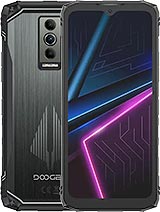
Blade 10 Pro Energy
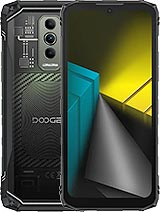
Blade 10 Ultra Energy
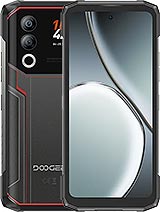
Blade20 Ultra
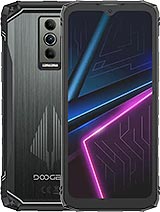
Blade 10 Pro
N6 Lite