Doogee Blade 10 Pro Energy review
This phone is for people who need a phone that survives being thrown into a toolbox, dropped on wet job sites, and blasted with hose water—and can go two days without charging. Anyone prioritizing display sharpness, gaming, or responsive app performance should look at mainstream budget phones instead, where the same 210 EUR buys far better performance and screen quality.
This review is written with AI assistance from Doogee’s published specifications and public benchmark data for the Doogee Blade 10 Pro Energy, and the rating is spec-based. GoSolo does not physically test devices; where we estimate real-world behaviour such as battery life or charge time, we say so. How we rate phones.
Overview
The Doogee Blade 10 Pro Energy is a rugged budget phone built for durability in harsh conditions and long battery life, not speed or sharpness. The IP68/IP69K rating and 6150mAh battery justify the price for outdoor workers and remote users, but the 720p screen and entry-level chipset mean you are trading performance and display quality for toughness.
Design & build
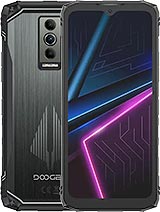
At 295g and 10.7mm thick, the Blade 10 Pro Energy sits squarely in the 'rugged workhorse' category. The real story is the IP68/IP69K rating combined with MIL-STD-810H compliance, which means this phone can take full submersion up to 1.5m for half an hour and shrug off high-pressure water jets without flinching. That durability matters enormously in construction, agriculture, and field service roles where a regular phone would be a liability. The Mohs level 5 screen protector will not stop a proper drop, but it resists everyday scratches better than bare glass. For a phone at 210 EUR targeting people who work outdoors or in wet conditions, the build feels purposeful rather than cheap.
Display
The 6.56-inch IPS LCD is bright enough indoors but loses the plot in direct sun. At 720p resolution and 269ppi density, text is noticeably coarse next to modern phones, and photos lack the crispness of 1080p+ displays at this screen size. The 90Hz refresh rate sounds nice on a spec sheet but feels like a cosmetic upgrade when the baseline sharpness is already compromise. For messaging, maps, and video calls, the display works. For reading small text or scrolling high-res photos, you will notice the age of this resolution choice. At 74.8% screen-to-body ratio, Doogee has not squeezed every last millimeter of bezel away, but that is typical for a rugged phone where durability takes design priority.
Performance
The Unisoc T7250 is an entry-level chip by 2025 standards. It handles messaging, calls, email, and light browsing without drama, and video playback stays smooth at normal frame rates. Heavy multitasking, modern social media apps with lots of animations, or anything demanding will cause lag and stutter. Games above the level of Candy Crush or casual 2D titles demand low graphics settings or simply do not run well. For someone buying a phone to keep it working in a job site or farm, performance is fine. For anyone expecting snappy responsiveness across demanding apps, this chipset will disappoint. The 6GB RAM helps with everyday load, but it does not offset the CPU and GPU's modest ceiling.
Software
Android 15 out of the box is a strong point; many budget phones still ship on Android 13 or 14. Doogee typically offers two years of major updates, which is standard for this price tier. The bloatware load is manageable, with a handful of Doogee apps but nothing excessive. FM radio support is a nice touch for areas with poor data coverage. NFC is present, which is useful for contactless payment if your bank supports it. Overall, software is one area where Doogee does not cut corners.
Camera
The 50MP main sensor is a modest upgrade over 13MP, but only on paper. A 50MP sensor with f/1.8 aperture and autofocus will take acceptable photos in good light, with enough detail for social media and small prints. Low-light performance will disappoint; the single LED flash is a band-aid. Zooming into shots shows the sensor lacks the multiframe processing and advanced algorithms of pricier phones, so detail degrades faster. Video tops out at 1080p at 30fps, which is fine for fieldwork documentation but not for creative content. The 8MP selfie camera is strictly functional. For a rugged phone, the camera is an afterthought, and honestly, it should be.
Battery & charging
The 6150mAh battery is the real endurance story here. On moderate use—three to four hours of screen time daily—it comfortably carries you into a second day before needing a charge. Heavy users might squeeze a full day and a half; light users could stretch past two days. This longevity, combined with the lightweight 295g body, makes the Blade 10 Pro Energy genuinely practical for people who work away from power outlets. The 18W charging speed is the weak spot. At 2.5 to 3 hours from empty to full, it is significantly slower than the 30W to 65W charging becoming normal at this price point in 2025. For someone running a battery-swapping workflow with a second charger at the office, this is manageable; for everyone else, it is a day-ruining limitation.
Value & verdict
At 210 EUR, the Blade 10 Pro Energy occupies a specific niche: durable everyday use in harsh environments, not general-purpose flagship competition. Against mainstream budget phones at this price, you lose screen clarity and performance. Against other rugged phones, you gain better software support and a larger battery. The trade-off makes sense only if you actually need the durability. Construction workers, farmers, delivery drivers, and anyone working in wet or dusty conditions will find genuine value. The person upgrading from a two-year-old mid-range phone expecting sharper graphics or faster apps will regret it immediately.
Verdict
This phone is for people who need a phone that survives being thrown into a toolbox, dropped on wet job sites, and blasted with hose water—and can go two days without charging. Anyone prioritizing display sharpness, gaming, or responsive app performance should look at mainstream budget phones instead, where the same 210 EUR buys far better performance and screen quality.
- IP68/IP69K rating plus MIL-STD-810H compliance: survives full submersion, high-pressure jets, and drops without the fragility of typical phones
- 6150mAh battery lasts two days on moderate use and keeps the phone lightweight at 295g despite the large capacity
- 256GB storage with dedicated microSD slot removes the common storage crunch at this price
- Android 15 and USB Type-C put it ahead of many competing rugged phones in their update cycle and interface standards
- 720p display at 6.56 inches means text and photos look grainy compared to rivals; paired with 400 nits brightness, it struggles in sunlight
- Unisoc T7250 chipset is entry-level; 3D games stall and multitasking bogs down under load, noticeably slower than mid-range phones at this 210 EUR price point
- 18W charging takes 2.5 to 3 hours from empty, slow by 2025 standards even for a budget phone
Doogee Blade 10 Pro Energy Key Specifications
The essentials at a glance. See the full spec sheet.
| Released | 2025 |
|---|---|
| Display | 6.56 inches, 103.4 cm2 (~74.8% screen-to-body ratio), IPS LCD, 90Hz |
| Resolution | 720 x 1612 pixels, 20:9 ratio (~269 ppi density) |
| Chipset | Unisoc T7250 (12 nm) |
| RAM & storage | 256GB 6GB RAM |
| Main camera | 50 MP, f/1.8, (wide), AF |
| Selfie camera | 8 MP, f/2.2, (wide) |
| Battery | 6150 mAh |
| Charging | Fast Charging up to 18 W |
| Software | Android 15 |
| Dimensions | 172.7 x 80 x 10.7 mm (6.80 x 3.15 x 0.42 in) |
| Weight | 295 g (10.41 oz) |
| Durability | IP68/IP69K dust tight and water resistant (high pressure water jets; immersible up to 1.5m for 30 min) MIL-STD-810H compliant |
| Network | GSM / HSPA / LTE |
| NFC | Yes |
| USB | USB Type-C |
Doogee Blade 10 Pro Energy FAQ
Common questions, answered from the spec sheet.
Does the Blade 10 Pro Energy support 5G?
No. The Blade 10 Pro Energy tops out at GSM / HSPA / LTE, without 5G.
What chipset does the Blade 10 Pro Energy use?
The Blade 10 Pro Energy runs on the Unisoc T7250 (12 nm).
What display does the Blade 10 Pro Energy have?
A 6.56 inches, 103.4 cm2 (~74.8% screen-to-body ratio) IPS LCD, 90Hz, 720 x 1612 pixels, 20:9 ratio (~269 ppi density).
How big is the Blade 10 Pro Energy battery?
The Blade 10 Pro Energy has a 6150 mAh battery. Charging is rated at Fast Charging up to 18 W.
Does the Blade 10 Pro Energy have NFC?
Yes, the Blade 10 Pro Energy has NFC.
Is the Blade 10 Pro Energy water resistant?
The Blade 10 Pro Energy carries a IP68/IP69K dust tight and water resistant (high pressure water jets; immersible up to 1.5m for 30 min) MIL-STD-810H compliant rating.
Does the Blade 10 Pro Energy support a microSD card?
Yes, the Blade 10 Pro Energy supports expandable storage (microSDXC (dedicated slot)).
Alternatives to consider
If the Blade 10 Pro Energy isn’t quite right, these are the closest calls.
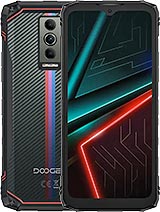
Blade 10 Energy
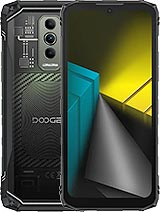
Blade 10 Ultra Energy
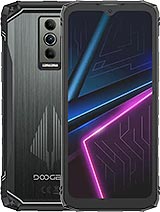
Blade 10 Pro
Fire 5 Pro
N6 Lite