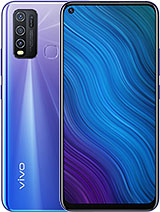
Doogee Blade10 Max review
This phone is for outdoor workers, construction crews, and travelers who prioritize durability and endurance over performance or display clarity. Anyone shopping for a general-purpose smartphone with sharp graphics and fast apps should look elsewhere; the trade-offs are intentional and significant.
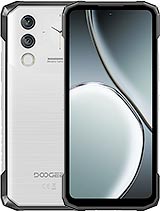
This review is based on Doogee’s published specifications and public benchmark data for the Doogee Blade10 Max, and the rating is spec-based. GoSolo does not physically test devices; where we estimate real-world behaviour such as battery life or charge time, we say so. How we rate phones.
Overview
The Blade10 Max is built for outdoor work and rough conditions, not style or speed: its IP68/IP69K rating and MIL-STD-810H cert beat the spec sheet, the 10,300 mAh battery genuinely lasts two days, but the screen is grainy at 269 ppi and the Unisoc T606 is entry-level. For 270 EUR it is honest about what it is, and if durability and endurance matter more than performance or clarity, it works.
Design & build
At 326 grams and 15.8 mm thick, the Blade10 Max feels like a tool, not a fashion piece. The IP68/IP69K rating means it survives full submersion to 1.5 meters for half an hour and shrugs off high-pressure water jets, while MIL-STD-810H compliance covers drops, vibration, and extreme temperature swings. In practice, this is not marketing fluff; the phone is genuinely built to work in construction sites, farms, and outdoor environments where a regular smartphone would fail within weeks. The build does not compromise on repairability either—a dedicated microSD slot is a small win at this price. The downside is the weight and thickness, which make it noticeable in your pocket and will never feel light. But that bulk is the price of real ruggedness, not poor design.
Display
The 6.56-inch IPS LCD is stretched thin: at 720x1612 pixels and 269 ppi, text and icons look grainy when you hold the phone close, and fine details blur more than they should. The 90Hz refresh does smooth scrolling and menus compared to a 60Hz screen, and that matters for daily feel even if the resolution lags. The Mohs level 6 protection is adequate for scratches but not premium. The real quirk is the 1.54-inch secondary display on the back, which can show notifications or time without waking the main screen—a practical touch for battery saving when you are checking the time repeatedly. At this price and durability tier, the display is a known compromise: you buy this phone for ruggedness and battery life, not sharpness.
Performance
The Unisoc T606 with two 1.6 GHz Cortex-A75 cores and six 1.6 GHz A55 cores is entry-level, and it behaves like it. Email, social media, light browsing, and simple photography apps run without stutter. Video playback is smooth. But intensive games will choke, and heavy multitasking (ten browser tabs, a large file transfer, and a video call at once) will feel sluggish. For a worker checking emails and taking site photos, this is more than enough. For someone who expects a phone to handle everything a desktop can, this will frustrate. The 8 GB of RAM helps keep things moving in day-to-day use, but do not mistake this for a performer. It is a workhorse for simple, repeated tasks.
Software
Android 14 ships clean and ready. Doogee has kept bloatware light, which is rare in this segment. Updates and long-term support are the real question marks: Doogee is a smaller brand, and tracking software patches over three or four years can be hit or miss. For someone using this in a rough job where the phone is replaced every two years, it matters less. For someone expecting a three-year investment, check Doogee's track record in your region first.
Camera
The 50 MP main camera with autofocus and LED flash captures daylight shots reasonably well and handles low-light scenes better than the megapixel count alone suggests. Colors are neutral, not saturated, which suits work documentation more than social media. The 8 MP front camera is adequate for video calls and casual selfies, nothing more. Do not expect detail or dynamic range that rivals a flagship at any price, but for proof-of-work photos—before and after site images, damage records—it is sufficient. The camera is a tool here, not a showcase.
Battery & charging
The 10,300 mAh cell is the real star. Paired with the modest T606, it should deliver 10 to 13 hours of screen-on time under mixed load, which translates to two full days for light users and a solid full day even for heavier use. The spec sheet does not list charging wattage, which is a frustration, but the large capacity means charging speed is less critical when the phone lasts so long between tops-ups. For outdoor work where a charger might not be available, this battery is a major asset. Workers and travelers will appreciate not hunting for an outlet every evening.
Value & verdict
At 270 EUR, the Blade10 Max sits at the intersection of ruggedness and affordability. It does not compete on raw power or display quality—it does not pretend to. It competes on durability and battery life, and in those areas it delivers. The real question is whether you need a phone that survives a drop from a ladder, a splash from a pressure washer, and two days without charging. If you do, and you can live with a modest display and entry-level performance, the price is fair. If you are browsing for a general-purpose phone and assumed ruggedness was just marketing, look elsewhere; the compromises in speed and clarity are real and intentional.
Verdict
This phone is for outdoor workers, construction crews, and travelers who prioritize durability and endurance over performance or display clarity. Anyone shopping for a general-purpose smartphone with sharp graphics and fast apps should look elsewhere; the trade-offs are intentional and significant.
- IP68/IP69K and MIL-STD-810H durability is genuine—survives immersion, high-pressure water, and drops without compromise
- 10,300 mAh battery reaches two days of light use and a full day under normal load, a major asset for outdoor work
- Dedicated microSD slot for up to terabytes of extra storage, rare at this price
- Secondary rear display saves battery on time checks and notifications
- 269 ppi display is noticeably grainy; text and fine details blur compared to modern standards at any price
- Unisoc T606 is entry-level; no gaming, heavy multitasking, or fast app launches
- 326 grams and 15.8 mm thick makes it bulky and heavy compared to general-purpose phones at the same price
Doogee Blade10 Max Key Specifications
The essentials at a glance. See the full spec sheet.
| Released | 2024, September |
|---|---|
| Display | 6.56 inches, 103.4 cm2, IPS LCD, 90Hz |
| Resolution | 720 x 1612 pixels, 20:9 ratio (~269 ppi density) |
| Chipset | Unisoc T606 (12 nm) |
| RAM & storage | 256GB 8GB RAM |
| Main camera | 50 MP, (wide), AF |
| Selfie camera | 8 MP, (wide) |
| Battery | 10300 mAh |
| Software | Android 14 |
| Dimensions | 15.8 mm thickness |
| Weight | 326 g (11.50 oz) |
| Durability | IP68/IP69K dust tight and water resistant (high pressure water jets; immersible up to 1.5m for 30 min) MIL-STD-810H compliant |
| Network | GSM / HSPA / LTE |
| NFC | Yes |
| USB | USB Type-C |
Doogee Blade10 Max FAQ
Common questions, answered from the spec sheet.
Does the Blade10 Max support 5G?
No. The Blade10 Max tops out at GSM / HSPA / LTE, without 5G.
What chipset does the Blade10 Max use?
The Blade10 Max runs on the Unisoc T606 (12 nm).
What display does the Blade10 Max have?
A 6.56 inches, 103.4 cm2 IPS LCD, 90Hz, 720 x 1612 pixels, 20:9 ratio (~269 ppi density).
How big is the Blade10 Max battery?
The Blade10 Max has a 10300 mAh battery.
Does the Blade10 Max have NFC?
Yes, the Blade10 Max has NFC.
Is the Blade10 Max water resistant?
The Blade10 Max carries a IP68/IP69K dust tight and water resistant (high pressure water jets; immersible up to 1.5m for 30 min) MIL-STD-810H compliant rating.
Does the Blade10 Max support a microSD card?
Yes, the Blade10 Max supports expandable storage (microSDXC (dedicated slot)).
Does the Blade10 Max have a headphone jack?
No, the Blade10 Max does not have a 3.5mm headphone jack.
Alternatives to consider
If the Blade10 Max isn’t quite right, these are the closest calls.
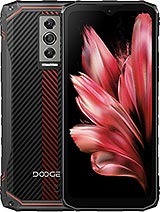
Blade10
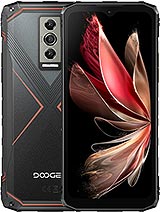
Blade10 Pro
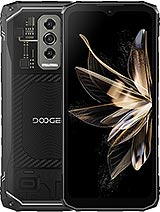
Blade10 Ultra

Blade 10 Max
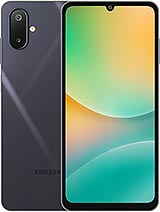
Galaxy M06 5G