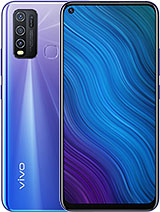
Doogee Blade10 Ultra review
The Blade10 Ultra suits fieldworkers, construction teams, and outdoor enthusiasts who need genuine water and dust resistance paired with enough battery to cover a working day. Anyone expecting a modern daily driver with a sharp screen and responsive gaming will be disappointed by the 720p resolution and entry-level chipset. Doogee has built a rugged phone, not a universal one.
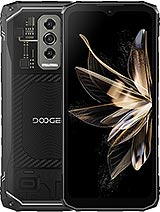
This review is based on Doogee’s published specifications and public benchmark data for the Doogee Blade10 Ultra, and the rating is spec-based. GoSolo does not physically test devices; where we estimate real-world behaviour such as battery life or charge time, we say so. How we rate phones.
Overview
The Blade10 Ultra is a rugged, water-sealed budget phone built for durability over speed—it suits outdoor workers and travelers willing to accept a blurry 720p display and entry-level performance in exchange for genuine IP68/IP69K sealing and a 5150 mAh battery. At €230 it delivers real durability credentials that most rivals in this price range skip, but the low-resolution screen and weak Unisoc chipset make it feel stuck between a worksite phone and a daily driver.
Design & durability
At 240 grams and 10.7 mm thick, the Blade10 Ultra is neither light nor particularly thin, but that mass is the point—it's built to absorb punishment. The IP68/IP69K rating paired with MIL-STD-810H compliance means it will survive submersion up to 1.5 meters for half an hour and handle high-pressure water jets without failing; very few phones at €230 offer this level of sealing. The phone sits at the intersection of outdoor ruggedness and consumer features, skipping the industrial-grade keypad in favor of a standard Android interface. For construction workers, fieldworkers, or anyone expecting regular water and dirt exposure, this is as close to genuine durability as you'll find at this price. Most rivals in the budget tier cut corners on sealing or drop testing to shave costs, so the durability here is a real differentiator.
Display
The 6.56-inch IPS LCD with 90Hz refresh is pleasant to scroll through, but the 720p resolution is a significant weakness. At 269 ppi, individual pixels are visible when you hold the phone at a normal distance; text looks soft and icons appear blocky compared to phones with 1080p panels, which are now standard even at this price. The 90Hz frame rate does lift the scrolling experience—pull-to-refresh and menu navigation feel more fluid than a 60Hz panel—but it cannot overcome the low pixel density. For video playback and casual web browsing, it's functional. For reading small text or editing photos, you'll notice the shortfall immediately and often.
Performance
The Unisoc T606 is an entry-level processor designed for light tasks and video playback. With 8GB of RAM, it handles messaging, social media, and streaming without noticeable lag. Anything heavier—modern mobile games at playable settings, real-time 3D applications, or multitasking with many heavy apps—will either stutter or force you to lower graphics to barely acceptable levels. This is not a phone for gaming or creative work. It is adequate for someone whose day involves calls, email, and maps, not someone chasing performance. For €230 you could find phones with mid-range chips that deliver twice the gaming headroom, but they will likely lack the rugged sealing this one offers.
Software
Android 14 comes preloaded, and without knowing Doogee's track record for updates, it is unclear how long security patches will flow. Budget Android phones often lag flagship release schedules and can drop off support entirely within a year or two. The interface itself is standard Android, familiar and straightforward. Long-term software commitment is a question mark, which matters more for a work phone that might stay in service for years.
Camera
The 50MP main camera delivers usable daylight photos in auto mode—details are adequate for social sharing and document scanning. Low light and zoom are where it falters; night shots turn noisy and color shifts, while cropping into digital zoom delivers obvious quality loss. The 8MP front camera is purely functional for video calls; it will not impress anyone. The LED flash helps in very dark rooms but cannot match the fill-light quality of dedicated video lighting. For a work phone meant to document a job site or capture quick reference photos, it is sufficient. For anything aspiring toward photography, it falls short of even modest standards.
Battery & charging
The 5150 mAh battery is large relative to the modest T606 chipset and 720p display, which means realistic battery life sits in the 6–7 hour screen-on range on mixed use. For a working day starting at 8 AM, you will likely need a charge by evening. That is respectable for a budget phone, but the real problem is charging speed—Doogee lists no fast-charging specification, suggesting the phone relies on standard 5V charging. This could mean 2–3 hours to full capacity, a genuine inconvenience if you are in the field with only a short downtime.
Value & verdict
At €230, the Blade10 Ultra competes in a crowded space, but its rugged sealing and durability certifications set it apart from typical budget rivals. You are paying partly for the IP68/IP69K rating and MIL-STD-810H compliance, which matter if your phone will see genuine outdoor punishment. The trade-off is a blurry 720p display and an underpowered chipset that feels dated even by budget standards. If you spend half your day outdoors and need a phone that will not fail when dropped or rained on, this makes sense. If you want a daily driver with a clear screen and acceptable gaming capability, there are phones at this price that deliver better overall experience, though they will not survive your job site.
Verdict
The Blade10 Ultra suits fieldworkers, construction teams, and outdoor enthusiasts who need genuine water and dust resistance paired with enough battery to cover a working day. Anyone expecting a modern daily driver with a sharp screen and responsive gaming will be disappointed by the 720p resolution and entry-level chipset. Doogee has built a rugged phone, not a universal one.
- IP68/IP69K and MIL-STD-810H rated—actually submersible to 1.5m for 30 minutes and rated for high-pressure jets, a genuine feature that most budget rivals omit entirely
- 5150 mAh battery with modest power draw means 6–7 hours of realistic screen-on time, enough for a working day outdoors
- 256GB storage with dedicated microSD slot is useful for media or fieldwork files without sacrificing a SIM slot
- 90Hz IPS LCD makes menu scrolling noticeably smoother than 60Hz panels at this price, even if the pixel density is weak
- 720p resolution on a 6.56-inch screen yields only 269 ppi—text and icons look noticeably pixelated up close, an immediate step down from phones at this price that offer at least 1080p
- Unisoc T606 is an entry-level chip; anything beyond light browsing, messaging, and video will stutter, and gaming at playable settings is out of reach
- Charging speed is unspecified and likely slow; no mention of fast charging suggests you'll be waiting hours to refill from 0%, a drawback for a work phone
Doogee Blade10 Ultra Key Specifications
The essentials at a glance. See the full spec sheet.
| Released | 2024, August |
|---|---|
| Display | 6.56 inches, 103.4 cm2, IPS LCD, 90Hz |
| Resolution | 720 x 1612 pixels, 20:9 ratio (~269 ppi density) |
| Chipset | Unisoc T606 (12 nm) |
| RAM & storage | 256GB 8GB RAM |
| Main camera | 50 MP, (wide), AF |
| Selfie camera | 8 MP, (wide) |
| Battery | 5150 mAh |
| Software | Android 14 |
| Dimensions | 10.7 mm thickness |
| Weight | 240 g (8.47 oz) |
| Durability | IP68/IP69K dust tight and water resistant (high pressure water jets; immersible up to 1.5m for 30 min) MIL-STD-810H compliant |
| Network | GSM / HSPA / LTE |
| NFC | Yes |
| USB | USB Type-C |
Doogee Blade10 Ultra FAQ
Common questions, answered from the spec sheet.
Does the Blade10 Ultra support 5G?
No. The Blade10 Ultra tops out at GSM / HSPA / LTE, without 5G.
What chipset does the Blade10 Ultra use?
The Blade10 Ultra runs on the Unisoc T606 (12 nm).
What display does the Blade10 Ultra have?
A 6.56 inches, 103.4 cm2 IPS LCD, 90Hz, 720 x 1612 pixels, 20:9 ratio (~269 ppi density).
How big is the Blade10 Ultra battery?
The Blade10 Ultra has a 5150 mAh battery.
Does the Blade10 Ultra have NFC?
Yes, the Blade10 Ultra has NFC.
Is the Blade10 Ultra water resistant?
The Blade10 Ultra carries a IP68/IP69K dust tight and water resistant (high pressure water jets; immersible up to 1.5m for 30 min) MIL-STD-810H compliant rating.
Does the Blade10 Ultra support a microSD card?
Yes, the Blade10 Ultra supports expandable storage (microSDXC (dedicated slot)).
Does the Blade10 Ultra have a headphone jack?
No, the Blade10 Ultra does not have a 3.5mm headphone jack.
Alternatives to consider
If the Blade10 Ultra isn’t quite right, these are the closest calls.
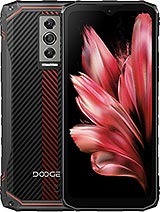
Blade10
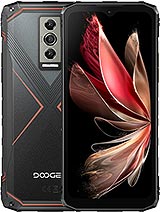
Blade10 Pro
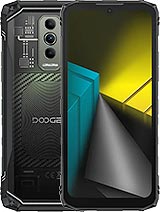
Blade 10 Ultra Energy
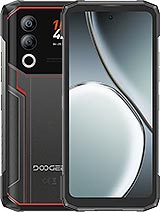
Blade20 Ultra
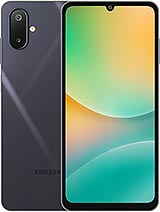
Galaxy M06 5G