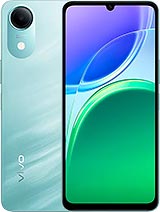
Doogee Fire 7 review
The Fire 7 suits construction workers, outdoor enthusiasts, people in regions with unreliable charging infrastructure, and anyone who needs a phone that survives rough conditions. Skip it if you want performance, a sharp display, or a phone that does not feel like a brick in your pocket.
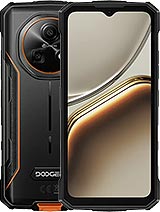
This review is based on Doogee’s published specifications and public benchmark data for the Doogee Fire 7, and the rating is spec-based. GoSolo does not physically test devices; where we estimate real-world behaviour such as battery life or charge time, we say so. How we rate phones.
Overview
The Doogee Fire 7 is a rugged phone built for rough conditions and long battery life, not speed. Its selling points are the 13000mAh battery (good for 2+ days), IP68/IP69K waterproofing, and 90Hz display; the Unisoc chip, 3GB RAM, and 720p screen mean it handles basics—messaging, browsing, light media—but nothing demanding. Worth considering only if durability and battery endurance matter more to you than performance or camera quality.
Design & build
At 389g and 18.7mm thick, this is a chunky, heavy phone. That heft is intentional: the frame survives drops from 1.5 meters, and the full IP68/IP69K certification means it shrugs off dust, freshwater immersion to 1.5 meters for half an hour, and high-pressure jets. There's no pretense of a thin, delicate device here. The 6.6-inch form factor paired with the weight makes it feel industrial rather than refined. For someone working outdoors, on a site, or in wet environments, that rugged platform is the whole point. For everyone else, it will feel clumsy and unnecessary.
Display
A 6.6-inch IPS LCD at 720×1612 pixels (267 ppi) with 90Hz refresh and 400 nits of peak brightness. The pixel density sits below what flagship shoppers are used to, so text and photos lack the sharpness of a sharper screen, but for this price and class, 90Hz makes a real difference in scrolling smoothness compared to the 60Hz baseline. The 400 nits handle indoor use and video viewing fine, but in bright sunlight the screen dims noticeably, making outdoor reading in glare a chore. It's a functional, not inspiring, display suited to the phone's workhorse nature.
Performance
The Unisoc SC9863A is an entry-level 8-core chip running at modest clock speeds (1.6GHz base). With 3GB of RAM and Android 15 (Go edition—a lighter fork of Android built for low-spec hardware), the Fire 7 handles messaging, calling, and casual web browsing without obvious lag. Streaming video works. Switching between a few apps is fine. Gaming beyond simple titles like Candy Crush will disappoint; don't expect any 3D performance. The Go edition keeps the system lean, which is sensible given the RAM constraint, but this pairing targets users in markets where horsepower is secondary to battery life and durability.
Software
Android 15 (Go edition) strips out heavyweight features and background processes to preserve battery and responsiveness on low-spec hardware. That trade-off makes sense here. The lightweight OS pairs well with 3GB RAM to keep the phone functional without stuttering on basics. However, some Google Play apps may refuse to install if they declare a RAM minimum above 3GB, so your app choices will be narrower than on a standard Android device. Updates and support length depend on Doogee's commitment, which historically has been inconsistent for smaller manufacturers.
Camera
The 13MP main sensor with f/2.0 aperture and autofocus handles daylight and well-lit indoor scenes without drama. 1080p video at 30fps is standard for this segment. The 8MP front camera is adequate for video calls. In low light, or when you want detail or dynamic range, the results flatten and soften compared to mid-range rivals with larger sensors. This is a phone that takes photos, not a camera that happens to make calls. Acceptable for record-keeping and social media, not for anyone who values photography.
Battery & charging
The 13000mAh battery is the strongest card here. With the low-power chipset and Go edition software, expect 36 to 48 hours of mixed use (light browsing, messaging, some video) and around 15 to 18 hours of continuous screen-on time. For a person who charges once every two days and values peace of mind on long journeys or remote work, this capacity is genuinely useful. The spec sheet does not list charging wattage, so charge times are unclear, but given the battery size and the phone's positioning, do not expect fast charging. Expect a couple of hours on a typical charger.
Value & verdict-context
At around 170 EUR, the Fire 7 is dirt cheap for a phone with a 13000mAh battery and IP68/IP69K certification. In Western markets, that price competes with budget Android phones that are lighter, thinner, faster, and better-screened. But in regions where a phone needs to survive dust, water, and heavy use in harsh conditions, and where charging access is irregular, this calculus flips. The ruggedness and battery life justify the cost for construction workers, remote field staff, or outdoor enthusiasts. For anyone in an urban setting wanting a daily driver with snappy performance and a good camera, there are better options at the same price. Doogee's niche is specific: if you need a phone that keeps working when everything else would fail, the Fire 7 answers that call. If you just need a functional phone that is cheap, look elsewhere.
Verdict
The Fire 7 suits construction workers, outdoor enthusiasts, people in regions with unreliable charging infrastructure, and anyone who needs a phone that survives rough conditions. Skip it if you want performance, a sharp display, or a phone that does not feel like a brick in your pocket.
- 13000mAh battery delivers 2+ days of mixed use, a genuine advantage for remote areas or irregular charging
- IP68/IP69K and MIL-STD-810H durability; survives drops, dust, and waterproofing rivals at this price usually omit
- 90Hz IPS display makes scrolling noticeably smoother than 60Hz, the standard for budget phones
- Dedicated microSD slot allows storage expansion up to 2TB without eating into internal space
- Unisoc SC9863A with 3GB RAM struggles with any app or game demanding more than basic performance; heavy users and gamers will find it frustrating
- 720p density (267 ppi) and 400 nits brightness mean the display is soft and hard to read in sunlight
- Heavy (389g) and thick (18.7mm) by modern standards; feels clumsy compared to contemporary rivals, even budget ones
Doogee Fire 7 Key Specifications
The essentials at a glance. See the full spec sheet.
| Released | 2025, September |
|---|---|
| Display | 6.6 inches, 104.6 cm2 (~71.9% screen-to-body ratio), IPS LCD, 90Hz, 400 nits |
| Resolution | 720 x 1612 pixels, 20:9 ratio (~267 ppi density) |
| Chipset | Unisoc SC9863A (28 nm) |
| RAM & storage | 64GB 3GB RAM |
| Main camera | 13 MP, f/2.0, (wide), AF |
| Selfie camera | 8 MP, f/2.0, (wide) |
| Battery | 13000 mAh |
| Software | Android 15 (Go edition) |
| Dimensions | 176.5 x 82.5 x 18.7 mm (6.95 x 3.25 x 0.74 in) |
| Weight | 389 g (13.72 oz) |
| Durability | IP68/IP69K dust tight and water resistant (high pressure water jets; immersible up to 1.5m for 30 min) Drop resistant up to 1.5m MIL-STD-810H compliant |
| Network | GSM / HSPA / LTE |
| NFC | Yes |
| USB | USB Type-C |
Doogee Fire 7 FAQ
Common questions, answered from the spec sheet.
Does the Fire 7 support 5G?
Yes. The Fire 7 supports 5G networks.
What chipset does the Fire 7 use?
The Fire 7 runs on the Unisoc SC9863A (28 nm).
What display does the Fire 7 have?
A 6.6 inches, 104.6 cm2 (~71.9% screen-to-body ratio) IPS LCD, 90Hz, 400 nits, 720 x 1612 pixels, 20:9 ratio (~267 ppi density).
How big is the Fire 7 battery?
The Fire 7 has a 13000 mAh battery.
Does the Fire 7 have NFC?
Yes, the Fire 7 has NFC.
Is the Fire 7 water resistant?
The Fire 7 carries a IP68/IP69K dust tight and water resistant (high pressure water jets; immersible up to 1.5m for 30 min) Drop resistant up to 1.5m MIL-STD-810H compliant rating.
Does the Fire 7 support a microSD card?
Yes, the Fire 7 supports expandable storage (microSDXC (dedicated slot)).
Alternatives to consider
If the Fire 7 isn’t quite right, these are the closest calls.
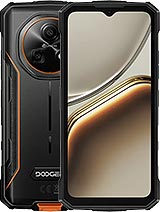
Fire 3
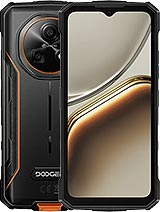
Fire 5
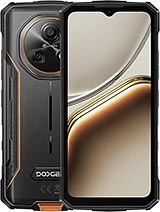
Fire 5 Pro
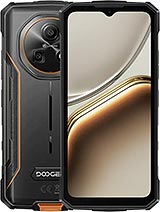
Fire 7 Pro
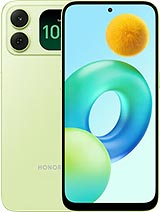
X5d s