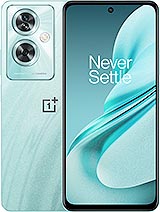
Doogee N50 review
The N50 suits light users in markets without 5G who prize the 3.5mm jack, microSD slot, and slim pocket profile. Anyone expecting responsive performance, outdoor usability, or modern charging speeds should look elsewhere—the display is dim, the processor is behind the curve even for budget rivals, and 18W charging is a drag in 2023."
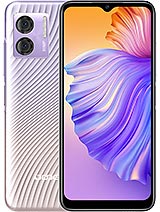
This review is based on Doogee’s published specifications and public benchmark data for the Doogee N50, and the rating is spec-based. GoSolo does not physically test devices; where we estimate real-world behaviour such as battery life or charge time, we say so. How we rate phones.
Overview
The Doogee N50 is a bare-bones LTE phone with a 6.52-inch 720p screen, entry-level Unisoc chipset, and a 50MP camera that capture decent detail in good light. It suits light users in markets without 5G who value the headphone jack and microSD slot, but the dim display, slow charging, and weak processor mean it'll frustrate anyone expecting responsive performance or long battery endurance.
Design & Build
At 9.1 mm thick and 165.8 × 76.2 mm, the N50 is compact and slim—a pocket-friendly size that feels light in hand and fits easily into front pockets without bulk. The dual Nano-SIM tray (which shares a slot with microSD) keeps the frame clean, though the absence of weight in the specs leaves the material finish unclear. For a 2023 budget entry, this is as portable as it gets.
Display
The 6.52-inch 720p IPS LCD hits only 269 pixels per inch, which means text has a visible grain and fonts don't have the crispness of a 1080p panel at the same size. The 390 nits peak brightness is usable indoors but dims noticeably in direct sunlight—you will find yourself tilting the phone to read in bright outdoor light. The 20:9 aspect ratio is standard for this era, and the 81% screen-to-body ratio leaves noticeable bezels around the frame. For everyday messaging and social media, this is tolerable; for media consumption, the trade-off is real.
Performance
The Unisoc T606 with Mali-G57 GPU is entry-level by design. The dual-core Cortex-A75 pair at 1.6 GHz handles light email, messaging, and social scrolling without stuttering, but heavy multitasking and demanding games stall noticeably. This chipset is comfortable for one app at a time and casual use; anyone planning to juggle multiple apps or play modern titles will hit a wall. By 2023 standards, even budget rivals had moved to faster Snapdragon or MediaTek chips, so this feels a step behind.
Software
Android 13 is current for the launch period, though no word on the update schedule or how long security patches will roll out. Doogee's lighter touch on customisation means fewer bloatware apps than some rivals, which helps performance. That said, the base Android experience works best when the hardware keeps pace—on this processor, long-running apps and OS updates will feel sluggish over time.
Camera
The 50MP main camera with f/1.8 aperture and PDAF captures sharp, detail-rich shots in daylight and handles indoor light better than the f/2.0 spec alone would suggest. Landscape and portrait work in good light are the sweet spot. The 2MP macro lens is too low-resolution to be practical—macro work is an afterthought here. The 8MP selfie camera is adequate for video calls and social posts. Triple-LED flash helps in dim settings, and HDR works competently. For a phone at this price, the camera is the real strength, though it offers no ultrawide lens for context shots.
Battery & Charging
The 4200 mAh battery stretches to a full day with light use (messaging, browsing, social apps), but heavy screen time or gaming will push you toward a midday top-up. The 18W charging speed takes roughly 90–120 minutes for a complete charge, which is slow by modern standards—even budget rivals at this price now offer 30–65W. You cannot grab a coffee and return to a half-charged phone here. For users in markets with inconsistent power access, the slow charging is a real friction point.
Value & Verdict
At roughly 180 EUR, the N50 competes in a crowded budget space where even entry-level rivals now offer faster processors and quicker charging. The genuine selling points are the slim form factor, the 50MP camera that actually performs well in daylight, the headphone jack, and microSD support—but these alone do not offset the dim display, slow processor, and weak charging. This is a phone for someone in an LTE-only market who values a slim profile and the analog jack, and who does not expect snappy app switching or outdoor screen visibility.
Verdict
The N50 suits light users in markets without 5G who prize the 3.5mm jack, microSD slot, and slim pocket profile. Anyone expecting responsive performance, outdoor usability, or modern charging speeds should look elsewhere—the display is dim, the processor is behind the curve even for budget rivals, and 18W charging is a drag in 2023."
- 50MP camera with f/1.8 aperture and PDAF captures sharp detail-rich shots in daylight and performs reasonably well in dim indoor light
- Headphone jack and microSD slot remain intact—useful in markets where fast USB-C earbuds and cloud storage aren't universal
- Thin at 9.1 mm and compact 6.52-inch frame make it genuinely pocketable
- Dual-band Wi-Fi 5 and Bluetooth 5.0 handle local wireless without lag
- 720p LCD display at 269 ppi looks grainy for text, and 390 nits peak brightness means dim performance outdoors in sunlight
- 18W charging takes roughly 90–120 minutes to full, which is slow even for its class
- Unisoc T606 processor stumbles under multitasking and any demanding app; light users only
Doogee N50 Key Specifications
The essentials at a glance. See the full spec sheet.
| Released | 2023, April 25 |
|---|---|
| Display | 6.52 inches, 102.6 cm2 (~81.2% screen-to-body ratio), IPS LCD, 390 nits (peak) |
| Resolution | 720 x 1600 pixels, 20:9 ratio (~269 ppi density) |
| Chipset | Unisoc T606 (12 nm) |
| RAM & storage | 128GB 8GB RAM |
| Main camera | 50 MP, f/1.8, (wide), PDAF 2 MP (macro) |
| Selfie camera | 8 MP, f/2.0, (wide) |
| Battery | 4200 mAh |
| Charging | 18W wired |
| Software | Android 13 |
| Dimensions | 165.8 x 76.2 x 9.1 mm (6.53 x 3.00 x 0.36 in) |
| Network | GSM / HSPA / LTE |
| NFC | No |
| USB | USB Type-C 2.0, OTG |
Doogee N50 FAQ
Common questions, answered from the spec sheet.
Does the N50 support 5G?
No. The N50 tops out at GSM / HSPA / LTE, without 5G.
What chipset does the N50 use?
The N50 runs on the Unisoc T606 (12 nm).
What display does the N50 have?
A 6.52 inches, 102.6 cm2 (~81.2% screen-to-body ratio) IPS LCD, 390 nits (peak), 720 x 1600 pixels, 20:9 ratio (~269 ppi density).
How big is the N50 battery?
The N50 has a 4200 mAh battery. Charging is rated at 18W wired.
Does the N50 have NFC?
No, the N50 does not list NFC support.
Does the N50 support a microSD card?
Yes, the N50 supports expandable storage (microSDXC (uses shared SIM slot)).
Does the N50 have a headphone jack?
Yes, the N50 has a 3.5mm headphone jack.
Alternatives to consider
If the N50 isn’t quite right, these are the closest calls.
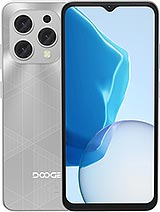
N55 Plus
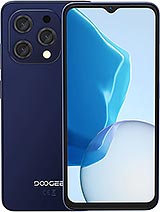
N55 Pro
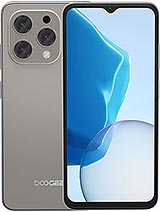
N55
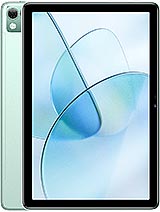
T10S
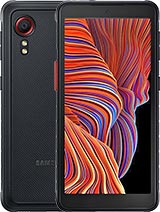
Galaxy XCover 7