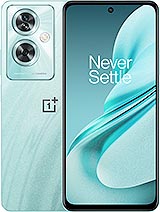
Doogee N50 Pro review
The N50 Pro makes sense only if you need a sim-and-storage card for under €120 and your usage never strays into gaming, video, or productivity. Everyone else should stretch the budget for a phone released in the past year or two, where display, performance, and charging have all moved forward significantly.
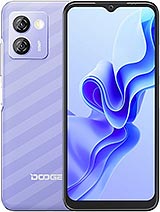
This review is based on Doogee’s published specifications and public benchmark data for the Doogee N50 Pro, and the rating is spec-based. GoSolo does not physically test devices; where we estimate real-world behaviour such as battery life or charge time, we say so. How we rate phones.
Overview
The Doogee N50 Pro is a bare-bones budget phone that squeezes in a 50MP camera and headphone jack for about €110, but its 720p screen and entry-level Unisoc chip make it feel dated even for 2023. Light messaging and social browsing work fine; anything heavier will frustrate you.
Design & build
The N50 Pro is slim at 9.1mm and reasonably compact for its 6.52-inch frame. No weight figure is listed, but the modest battery and components suggest it will feel light in hand. The dual SIM tray shares a slot with microSDXC expansion, which is a minor inconvenience if you want both SIMs and storage active at once. Build quality appears unremarkable—this is a budget device that prioritises thinness over materials or premium feel. That said, it does not pretend to be anything it is not.
Display
The 6.52-inch IPS LCD panel maxes out at 390 nits and runs at 720×1600 resolution, which works out to 269 ppi. That density is visibly low by modern standards: text, app icons, and UI elements look noticeably pixelated next to even entry-level rivals released in the same year. Indoors and in overcast light, 390 nits is adequate, but bright sunlight will wash out the screen. The 20:9 aspect ratio is standard, and the 81.2% screen-to-body ratio is unremarkable. This is a functional display for messaging and light browsing, but anyone moving from a phone even two or three years newer will immediately notice the softness and graininess.
Performance
The Unisoc T606 is an entry-level chip, and it shows. Email, social media scrolling, and light browsing run without hiccup. The moment you venture into demanding apps, multitasking, or heavier games, frame rates drop and stutters appear. Video recording at 1080p becomes choppy on this hardware. The Mali-G57 MP1 GPU is anemic by any metric. For a phone at this price, performance is frankly ordinary—not unexpectedly bad, just unambitious. Switching between apps feels slower than it should, and anything GPU-bound will disappoint. If your day consists of messaging and web browsing, you will not notice; if you do anything beyond that, you will.
Camera
The 50MP main sensor with f/1.8 aperture and PDAF is the N50 Pro's headline act, and it delivers more than you might expect for the money. Daytime shots are detailed and well-balanced; the wide aperture handles low-light scenes without introducing excessive noise. The dual-band LED flash (triple-LED trio) helps in complete darkness. The 2MP macro lens is a footnote—too low resolution to be useful for anything beyond novelty shots. The 8MP selfie camera is functional for video calls and casual self-portraits. Video recording caps at 1080p, which limits upside; at this price, that is standard. For social media and casual use, the camera punches above its weight; anyone expecting smartphone photography to feel refined will find the processing somewhat flat.
Battery & charging
The 4200 mAh battery delivers about one full day of light use (messaging, browsing, some social media). Heavy use—video playback, gaming, or constant screen-on time—will drain it into the red by afternoon. The 18W wired charging speed is painfully slow in 2023 and beyond; expect 60 to 90 minutes to restore a full charge from empty. By that time, rivals at this price or less are offering 65W or 100W, shaving that time to 30 minutes or less. If you charge overnight, it matters less. If you need quick top-ups during the day, the N50 Pro will test your patience.
Software
The phone ships with Android 13, which is respectable for a 2023 release. No custom overlay is mentioned, suggesting Doogee has opted for a near-stock experience, which is both a blessing (fewer pre-installed apps, faster updates) and a limitation (little differentiation). Android 13 is stable and familiar, so there is no learning curve. Long-term software support is not addressed in the spec sheet, and Doogee's track record on that front is mixed; budget devices often see only one or two years of updates. For the price, the software story is unremarkable.
Value & verdict-context
At €110, the Doogee N50 Pro sits in the ultra-budget tier, competing against similarly priced offerings from other aggressive manufacturers. For the money, you get 256GB storage, 8GB RAM, a 50MP camera, and a headphone jack—a feature set that scores points for content creators and older audio enthusiasts. The negatives are proportional: a 720p screen that feels dated, a chipset that labours under load, slow charging, and modest battery endurance. If your needs are truly minimal—messaging, light social media, the occasional photo—this phone will satisfy. If you have used anything mid-range or newer in the past three years, the screen and performance will feel like a step backward. The camera quality is the rare bright spot, but it cannot carry an otherwise underpowered device.
Verdict
The N50 Pro makes sense only if you need a sim-and-storage card for under €120 and your usage never strays into gaming, video, or productivity. Everyone else should stretch the budget for a phone released in the past year or two, where display, performance, and charging have all moved forward significantly.
- 50MP main camera with f/1.8 aperture and PDAF handles daylight and low-light shots better than the spec suggests for the price
- Headphone jack and FM radio still present, plus microSDXC expansion via shared slot
- Thin (9.1mm) and lightweight design with dual SIM flexibility
- Decent storage out of the box at 256GB, no bloat stripping usable space
- 270ppi 720p display is noticeably pixelated and dull compared to even mid-range rivals; text looks grainy
- 18W charging is slow by any standard; expect 60–90 minutes from empty, while competitors now push 65–100W at this price
- Unisoc T606 stumbles on any demanding task; older games lag, multitasking is choppy, 1080p video recording struggles
Doogee N50 Pro Key Specifications
The essentials at a glance. See the full spec sheet.
| Released | 2023, October |
|---|---|
| Display | 6.52 inches, 102.6 cm2 (~81.2% screen-to-body ratio), IPS LCD, 390 nits (peak) |
| Resolution | 720 x 1600 pixels, 20:9 ratio (~269 ppi density) |
| Chipset | Unisoc T606 (12 nm) |
| RAM & storage | 256GB 8GB RAM |
| Main camera | 50 MP, f/1.8, (wide), PDAF 2 MP (macro) |
| Selfie camera | 8 MP, f/1.8, (wide) |
| Battery | 4200 mAh |
| Charging | 18W wired |
| Software | Android 13 |
| Dimensions | 165.8 x 76.2 x 9.1 mm (6.53 x 3.00 x 0.36 in) |
| Network | GSM / HSPA / LTE |
| NFC | No |
| USB | USB Type-C 2.0, OTG |
Doogee N50 Pro FAQ
Common questions, answered from the spec sheet.
Does the N50 Pro support 5G?
No. The N50 Pro tops out at GSM / HSPA / LTE, without 5G.
What chipset does the N50 Pro use?
The N50 Pro runs on the Unisoc T606 (12 nm).
What display does the N50 Pro have?
A 6.52 inches, 102.6 cm2 (~81.2% screen-to-body ratio) IPS LCD, 390 nits (peak), 720 x 1600 pixels, 20:9 ratio (~269 ppi density).
How big is the N50 Pro battery?
The N50 Pro has a 4200 mAh battery. Charging is rated at 18W wired.
Does the N50 Pro have NFC?
No, the N50 Pro does not list NFC support.
Does the N50 Pro support a microSD card?
Yes, the N50 Pro supports expandable storage (microSDXC (uses shared SIM slot)).
Does the N50 Pro have a headphone jack?
Yes, the N50 Pro has a 3.5mm headphone jack.
Alternatives to consider
If the N50 Pro isn’t quite right, these are the closest calls.
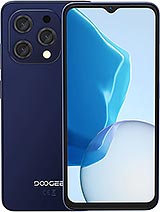
N55 Pro
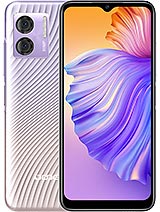
N50
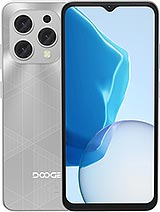
N55 Plus
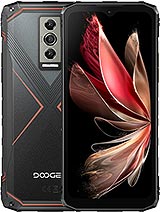
Blade10 Pro
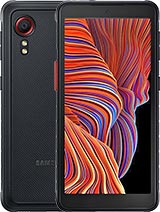
Galaxy XCover 7