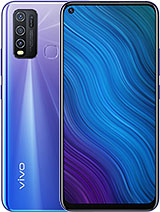
Doogee N55 Plus review
The Doogee N55 Plus suits buyers in developing markets who prioritize battery life, dual SIM, and LTE for messaging and light video over raw speed or quick charging. Look elsewhere if you multitask often, game, or are impatient for a full charge.
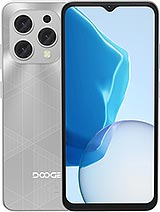
This review is based on Doogee’s published specifications and public benchmark data for the Doogee N55 Plus, and the rating is spec-based. GoSolo does not physically test devices; where we estimate real-world behaviour such as battery life or charge time, we say so. How we rate phones.
Overview
The Doogee N55 Plus is a budget phone built for everyday essentials in global south markets: dual SIM, long screen, all-day battery, and LTE reach. It is fine for messaging, calls, and light streaming, but glacial charging and weak performance on anything demanding are real limits for the price.
Design & build
At 186g and 8.6mm thick, the N55 Plus feels light and slim in hand, a real strength for daily pocket carry. The 20:9 aspect ratio stretches the screen tall without making the body unwieldy, and the 83% screen-to-body ratio is respectable for a budget phone. Mohs level 6 scratch resistance is basic; you will want a screen protector and a case. The phone lacks IP rating, so it is not water-resistant—keep it dry. For a device sold in markets where durability matters and phones often live without a case, these gaps are worth knowing upfront.
Display
The 6.56-inch IPS LCD is the N55 Plus's best feature. At 720p and 269 ppi, text is not knife-sharp, but the tall aspect ratio makes reading and watching video comfortable without constant scrolling. The 90Hz refresh rate is a real win; scrolling through apps and feeds feels smoother than 60Hz budget rivals, a noticeable day-to-day difference. Brightness peaks at 350 nits, which handles indoor and overcast daylight well, but direct sunlight washes it out. This is typical for entry-level IPS; you will not regret it indoors or in shade, but outdoor use on a bright day demands finding an angle.
Performance
The Unisoc T606 is an entry-level chip, and it shows. Basic tasks—messaging, social media scrolling at 1080p, video playback—run smoothly thanks to 8GB RAM and Android 14. Switch to demanding games, heavy editing, or serious multitasking and you hit a ceiling fast; frame drops and stuttering are real. The Mali-G57 MP1 GPU cannot keep up with modern titles. For this phone's intended use case (calls, WhatsApp, light streaming in global south markets), it is adequate. But anyone chasing performance should look elsewhere; you will spend your day waiting for apps to respond.
Camera
A 13MP main sensor with f/2.2 aperture captures acceptable daylight shots: colors are flat but usable, and detail is decent at web size. Low light is where it falls apart; photos are dim and noisy, a real drawback for evening or indoor snaps. The 8MP front camera is fine for video calls and selfies in good light; anything dimmer gets murky. Video maxes out at 1080p at 30fps, which is fine for social clips, but the lack of stabilization means handheld footage is jerky. The camera setup is basic—no ultrawide, no zoom, no depth sensor—but realistic for this price point.
Battery & charging
The 5150 mAh battery is the phone's hidden strength. Light users (messaging, calls, social media, 1080p video) see a comfortable full day, often with 10–15% left at bedtime. Heavy video streaming or gaming drains it by mid-afternoon, but that scenario is rare on this hardware anyway. The real pain is charging: 10W takes 3–4 hours from empty, forcing overnight planning or morning downtime. Rivals now ship 20–30W chargers at this price, cutting that time in half. If you are buying on impulse or move around often, this slow charging is a real friction point.
Software & connectivity
Android 14 is current and clean. Doogee's software is light, with minimal bloat, so updates should roll out without delays. The dual SIM setup is rare and valuable for travelers or people juggling personal and work numbers. LTE covers most regions where this phone sells; 5G absence only matters if your country has rolled it out and your carrier charges differently. Wi-Fi ac (Wi-Fi 5) is fast enough for home use. Bluetooth 5.0 and a 3.5mm jack are genuine convenience for headphones and older audio gear. The microSD card slot shares the SIM tray, so you pick: second SIM or extra storage, not both.
Value & verdict
The Doogee N55 Plus is not a compromise; it is a deliberate choice. It trades raw performance and charging speed for battery endurance, a tall screen, and dual-SIM flexibility—a sensible bet for someone who uses their phone for essentials (calls, messaging, maps, videos) and does not game or edit photos. At its launch price in 2024, it is competitive with other entry-level rivals, but the 10W charging already feels outdated. The weak CPU is the limit: in real use, multitasking and app load times will frustrate you. If you can live with that and need LTE, all-day battery, and dual SIM, this phone does what it promises. Otherwise, hunt for a rival with faster charging or a more current chip at similar money.
Verdict
The Doogee N55 Plus suits buyers in developing markets who prioritize battery life, dual SIM, and LTE for messaging and light video over raw speed or quick charging. Look elsewhere if you multitask often, game, or are impatient for a full charge.
- Tall 6.56-inch screen with 90Hz refresh, good for reading and video without scrolling as much
- Robust 5150 mAh battery easily clears a full day on light use; dual SIM and microSD card slot are still rare at this price
- Android 14 with 8GB RAM handles multitasking and apps without crashing; FM radio and 3.5mm jack remain
- 10W charging takes 3–4 hours; rivals at this price now hit 20–30W and cut that time in half
- Unisoc T606 is entry-level and noticeably slow on demanding games or heavy browsing; expect lag in real use
Doogee N55 Plus Key Specifications
The essentials at a glance. See the full spec sheet.
| Released | 2024, May |
|---|---|
| Display | 6.56 inches, 103.4 cm2 (~83.3% screen-to-body ratio), IPS LCD, 90Hz, 350 nits |
| Resolution | 720 x 1612 pixels, 20:9 ratio (~269 ppi density) |
| Chipset | Unisoc T606 (12 nm) |
| RAM & storage | 128GB 8GB RAM |
| Main camera | 13 MP, f/2.2, (wide), AF |
| Selfie camera | 8 MP, f/2.2, (wide) |
| Battery | 5150 mAh |
| Charging | 10W wired |
| Software | Android 14 |
| Dimensions | 163.8 x 75.8 x 8.6 mm (6.45 x 2.98 x 0.34 in) |
| Weight | 186 g (6.56 oz) |
| Network | GSM / HSPA / LTE |
| NFC | No |
| USB | USB Type-C 2.0, OTG |
Doogee N55 Plus FAQ
Common questions, answered from the spec sheet.
Does the N55 Plus support 5G?
No. The N55 Plus tops out at GSM / HSPA / LTE, without 5G.
What chipset does the N55 Plus use?
The N55 Plus runs on the Unisoc T606 (12 nm).
What display does the N55 Plus have?
A 6.56 inches, 103.4 cm2 (~83.3% screen-to-body ratio) IPS LCD, 90Hz, 350 nits, 720 x 1612 pixels, 20:9 ratio (~269 ppi density).
How big is the N55 Plus battery?
The N55 Plus has a 5150 mAh battery. Charging is rated at 10W wired.
Does the N55 Plus have NFC?
No, the N55 Plus does not list NFC support.
Does the N55 Plus support a microSD card?
Yes, the N55 Plus supports expandable storage (microSDXC (uses shared SIM slot)).
Does the N55 Plus have a headphone jack?
Yes, the N55 Plus has a 3.5mm headphone jack.
Alternatives to consider
If the N55 Plus isn’t quite right, these are the closest calls.
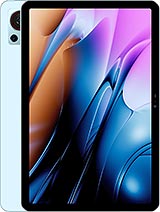
T30S
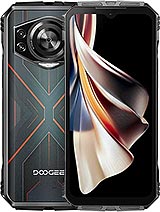
S Cyber
N55 Pro
N55
Galaxy M06 5G