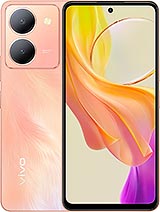
Doogee T30 Ultra review
The T30 Ultra suits budget-conscious users who do most of their work indoors and prioritize screen real estate and battery life over performance or connectivity speed. Skip it if you game heavily, need bright-screen daylight use, or rely on fast mobile data.
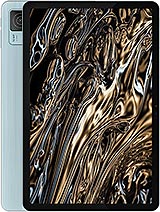
This review is based on Doogee’s published specifications and public benchmark data for the Doogee T30 Ultra, and the rating is spec-based. GoSolo does not physically test devices; where we estimate real-world behaviour such as battery life or charge time, we say so. How we rate phones.
Overview
The Doogee T30 Ultra is a large-screen tablet pitched at budget buyers who prioritize battery life and screen real estate over performance or camera finesse. At €250, it delivers a full day of use for reading and streaming, but the dim display and slow charging undercut its appeal for demanding work or travel.
Design & build
At 539 grams and 7.6mm thick, the T30 Ultra is remarkably slim and light for an 11-inch device. The aluminum frame and back with glass front feel intentional rather than cheap, and the design sits comfortably on a lap or held in two hands. Stylus support is a nod to productivity, though the spec sheet doesn't detail pen pressure levels or whether a stylus ships in the box—a gap worth checking before buying if note-taking matters to you. The magnetic accessory connector pins hint at a dock ecosystem, adding a bit of versatility. Dual nano-SIM slots give you flexibility, though the microSDXC slot shares one SIM slot, meaning you sacrifice one SIM for expandable storage.
Display
The 11-inch IPS panel offers a genuinely useful canvas for reading, spreadsheets, and video. Its 1600×2560 resolution and 16:10 aspect ratio cram 274 ppi into a 350.9cm² area, translating to sharp text and well-proportioned apps. The 81.4% screen-to-body ratio minimizes bezels without feeling cramped. The critical limitation is brightness: 250 nits is adequate indoors but noticeably dim in direct sunlight or brightly lit offices. This disqualifies it for outdoor use or for anyone who works near windows without an external shade. By today's tablet standards—where even budget iPad models hit 400+ nits—this feels like a cost-cutting compromise that undermines the device's primary selling point.
Performance
The Helio G99 is a capable upper-midrange chip for 2023, and paired with 12GB of RAM, it handles everyday tasks without strain. Apps launch quickly, switching between windows feels smooth, and scrolling through social media or documents is fluid. Gaming lands in the middle tier: Genshin Impact runs on medium settings without crashes, but expect noticeable frame drops if you push graphics to high or play demanding titles like Call of Duty Mobile at max. For casual gaming, light video editing, or binge-watching, the hardware is sufficient. The 256GB storage with UFS 2.2 is respectable, though file transfers won't be blisteringly fast compared to newer phones.
Software
Android 13 ships as the OS, which is not current as of 2024 (we're at Android 14+), but it still receives mainstream support and handles all standard apps from the Google Play Store. Doogee's customization layer is mercifully light, avoiding the bloat that sinks some budget devices. Updates and long-term support are a question mark; Doogee is not known for aggressive OS rollouts, so do not expect Android 14 or 15 anytime soon. For media consumption and office work, this is not a dealbreaker. For security-conscious buyers or those who need cutting-edge features, factor in a potential upgrade cycle within two to three years.
Camera
A 16MP rear camera with LED flash and 8MP selfie camera does the job for video calls and casual photos, but do not expect quality parity with a mid-range phone. The single lens with no ultra-wide or zoom option limits composition flexibility. 1440p video recording at 30fps is acceptable for vlogs or family clips but trails behind smartphones that now shoot 4K as a default. The lack of computational photography (night mode, portrait mode) means low-light shots are grainy and unsophisticated. For a tablet, the camera is functional but forgettable—if photography matters, bring a phone.
Battery & charging
The 8580 mAh battery is the T30 Ultra's strongest asset. Under mixed use (web, video, reading, light gaming), expect 9–11 hours before needing a charge. This translates to a full workday without anxiety. Heavy gaming or video calls will compress that to around 8 hours, but for a 'leave it on the shelf' tablet, this is genuinely excellent. The drawback is charging speed: 18W wired charging means 60–90 minutes to full capacity, a glacial pace by 2023 standards when phones routinely hit 65–100W. If you forget to plug in before bed, do not count on a quick morning top-up. Reverse wired charging is listed but unclear in its implementation; suspect it is marginal and not a practical feature.
Connectivity & audio
LTE-only networking (no 5G) is a sore point in 2024, especially if you rely on a mobile hotspot in emerging markets racing toward 5G. Wi-Fi 5 and Bluetooth 5.0 are solid for home use. FM radio is a rarity that matters in regions with spotty internet. The 3.5mm headphone jack and four-speaker stereo setup are increasingly scarce and genuinely useful for media consumption; cheap Bluetooth speakers often degrade sound quality, so the analog jack is a practical win. No NFC means no contactless payments, a minor but worth noting if you use phone-based payment systems.
Value & verdict
At €250, the T30 Ultra addresses a real use case: someone who wants a large screen for reading, streaming, and light productivity without flagship pretensions. The 11-inch display, all-day battery, and solid performance on everyday tasks justify the price. The dim brightness, slow charging, and absent 5G are trade-offs, not dealbreakers, for someone content to leave this on a desk or couch. The lack of modern software support and modest camera are consistent with the budget tier. This is not a 'value flagship' or a phone replacement; it is a straightforward tablet for media and office work. If you need outdoor portability, fast charging, or competitive mobile speeds, look elsewhere. If you spend most time indoors reading or streaming and expect this to last several years on battery power, the T30 Ultra is a coherent choice.
Verdict
The T30 Ultra suits budget-conscious users who do most of their work indoors and prioritize screen real estate and battery life over performance or connectivity speed. Skip it if you game heavily, need bright-screen daylight use, or rely on fast mobile data.
- 11-inch display with 81.4% screen-to-body ratio and sharp 1600×2560 resolution makes reading and document work genuinely pleasant on a 7.6mm frame
- 8580 mAh battery lasts a realistic 9–11 hours of mixed use; a rarity at this price point that actually justifies owning a tablet
- Helio G99 and 12GB RAM handle mid-tier gaming and everyday multitasking smoothly—no stuttering on apps or video playback
- Stereo quad speakers and 3.5mm jack are increasingly rare; still useful for media consumption and emergency headphone compatibility
- 250 nits brightness is visibly dim in daylight; frustrating if you use this outdoors or in bright offices
- 18W charging takes 60–90 minutes to full, making it impractical to quickly top up before leaving home
- No 5G and LTE-only connectivity means slower mobile data in modern networks; acceptable for Wi-Fi-first use, problematic if you rely on mobile hotspot
Doogee T30 Ultra Key Specifications
The essentials at a glance. See the full spec sheet.
| Released | 2023, October |
|---|---|
| Display | 11.0 inches, 350.9 cm2 (~81.4% screen-to-body ratio), IPS LCD, 250 nits |
| Resolution | 1600 x 2560 pixels, 16:10 ratio (~274 ppi density) |
| Chipset | Mediatek Helio G99 (6 nm) |
| RAM & storage | 256GB 12GB RAM |
| Main camera | 16 MP |
| Selfie camera | 8 MP |
| Battery | 8580 mAh |
| Charging | 18W wiredReverse wired |
| Software | Android 13 |
| Dimensions | 256.5 x 168 x 7.6 mm (10.10 x 6.61 x 0.30 in) |
| Weight | 539 g (1.19 lb) |
| Build | Glass front, aluminum frame, aluminum back |
| Durability | Stylus support |
| Network | GSM / HSPA / LTE |
| NFC | No |
| USB | USB Type-C 2.0, OTG, magnetic accessory connector pins |
Doogee T30 Ultra FAQ
Common questions, answered from the spec sheet.
Does the T30 Ultra support 5G?
No. The T30 Ultra tops out at GSM / HSPA / LTE, without 5G.
What chipset does the T30 Ultra use?
The T30 Ultra runs on the Mediatek Helio G99 (6 nm).
What display does the T30 Ultra have?
A 11.0 inches, 350.9 cm2 (~81.4% screen-to-body ratio) IPS LCD, 250 nits, 1600 x 2560 pixels, 16:10 ratio (~274 ppi density).
How big is the T30 Ultra battery?
The T30 Ultra has a 8580 mAh battery. Charging is rated at 18W wiredReverse wired.
Does the T30 Ultra have NFC?
No, the T30 Ultra does not list NFC support.
Is the T30 Ultra water resistant?
The T30 Ultra carries a Stylus support rating.
Does the T30 Ultra support a microSD card?
Yes, the T30 Ultra supports expandable storage (microSDXC (uses shared SIM slot)).
Does the T30 Ultra have a headphone jack?
Yes, the T30 Ultra has a 3.5mm headphone jack.
Alternatives to consider
If the T30 Ultra isn’t quite right, these are the closest calls.
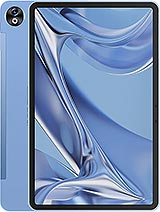
T20 Ultra
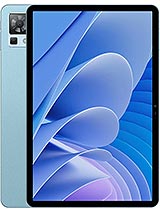
T30 Pro
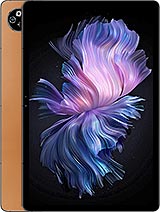
T30 Max
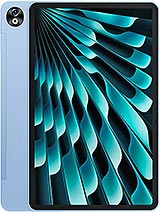
T40 Pro
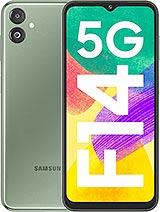
Galaxy F14