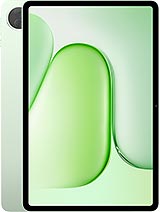
Doogee Tab E3 Max review
This tablet suits users in regions where battery life and large-screen real estate are more valuable than display quality or processing headroom—students, remote workers in areas with spotty power, and casual media consumers will find it a solid buy. Anyone who spends long hours in bright environments or expects fluid gaming should look elsewhere.
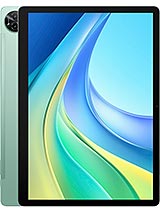
This review is based on Doogee’s published specifications and public benchmark data for the Doogee Tab E3 Max, and the rating is spec-based. GoSolo does not physically test devices; where we estimate real-world behaviour such as battery life or charge time, we say so. How we rate phones.
Overview
The Tab E3 Max is a large, affordable tablet with enough battery to last two days of light use and a screen big enough for comfortable reading—but the 300-nit IPS panel is dim for outdoor work and the 185 ppi density will show pixelation up close. It suits buyers in emerging markets who prioritize screen real estate and endurance over sharp visuals or snappy performance.
Design & Build
At 318.7 × 221.8 × 8.9 mm and just over 1 kg, the Tab E3 Max is lean for a 14-incher—slimmer than many 13-inch models from rivals. The frame feels uncluttered with a 3.5 mm jack and stereo speakers on board, both practical for media consumption in regions where these still matter. The Mohs level 6 screen protection is basic and will scratch with regular pocket carry; expect a case to be needed from day one. For a budget device aimed at emerging markets, the build avoids unnecessary bulk without feeling fragile, though nothing here suggests durability beyond a year or two of normal desk use.
Display
The 1440 × 2160 IPS panel is the Tab E3 Max's clearest compromise. At 185 ppi density, individual pixels become visible at normal arm's length when reading text or browsing; 220+ ppi would be the threshold for comfortable detail, and high-end tablets at this size hit 280+ ppi. Brightness tops out at 300 nits, which is adequate indoors but weak in direct sunlight—editing photos or checking emails outside means constant squinting. The 3:2 aspect ratio is sensible for documents and web, and the 82.6% screen-to-body ratio keeps bezels reasonable, but the overall panel feels like a 2023 compromise dragged into 2025, when even midrange rivals now push toward 400+ nits and sharper densities.
Performance
The Helio G99 and Mali-G57 MC2 are upper-midrange for their tier: they handle email, messaging, light browsing, and offline reading without lag. Streaming video plays smoothly, and older mobile games (2–3 years back) run at low settings without stutter. However, sustained multitasking or modern 3D titles expose the limits: the two Cortex-A76 cores max out under load, thermal throttling kicks in after 20–30 minutes of intensive work, and the 8 GB RAM is adequate but not generous for app hopping. For a €290 tablet in 2025, this is honest for the price—you get usability, not responsiveness.
Software
Android 15 is the current version and a genuine selling point: Doogee has delivered the latest OS rather than shipping last-gen code. Bloat is minimal, with no heavy skins overlaid on top. The 256 GB storage is enough for most users, and microSDXC expansion (sharing the SIM slot, a mild inconvenience if you use both SIM cards) means you can add terabytes for media libraries. Software performance stays consistent for the first year; long-term support is unclear and typical for the brand—budget for possible slowdown by year three.
Camera
The 16 MP rear camera with f/2.2 aperture and autofocus delivers acceptable stills in daylight, though colors flatten in challenging light and the 2 MP macro sensor is novelty more than practical. Video tops out at 1440p 60 fps, which is respectable for casual recording but lacks stabilization and struggles in low light. The 8 MP front camera is serviceable for video calls but produces soft, low-detail self-shots—par for a budget tablet. Neither lens will impress, but for scanning documents or recording quick reference video, they pull their weight. Expect to use a phone for anything demanding.
Battery & Charging
The 13,500 mAh cell is the standout: typical mixed use (email, reading, video, light browsing) should yield 15–18 hours of continuous screen time, which is genuinely useful for travel or remote work. The Helio G99's efficiency helps stretch this figure. Charging is the weak link: 18W wired takes 1.5–2 hours from zero to full, slow by 2025 standards when rivals at this price now hit 30W and beyond. The 10W reverse charge (charging other devices from the tablet) is too sluggish to matter. If you have access to power regularly, this is not a pain; if you chase charge on the road, a 20,000 mAh powerbank becomes essential.
Value & Verdict
At €290, the Tab E3 Max competes against older flagships and budget models from mainstream brands. It wins on battery endurance, screen size, and layout simplicity. It loses on display clarity, performance headroom, and charging speed. For students in emerging markets needing a reading and note-taking device, or for professionals who spend hours offline with text and reference material, the long runtime and roomy screen justify the cost. For anyone expecting responsive gaming, sharp video editing, or outdoor use without squinting, this tablet falls short. The Helio G99 keeps it honest—it is not a sleeper performer, and the dims, low-resolution panel is not a typo but a deliberate cost-cutting choice that matters daily in use.
Verdict
This tablet suits users in regions where battery life and large-screen real estate are more valuable than display quality or processing headroom—students, remote workers in areas with spotty power, and casual media consumers will find it a solid buy. Anyone who spends long hours in bright environments or expects fluid gaming should look elsewhere.
- Genuinely long battery life: 13,500 mAh should deliver 15–18 hours of mixed use, meaningful for road work or offline reading
- 14-inch screen in a surprisingly thin frame: at 8.9 mm, the Tab E3 Max is slim for its diagonal, making it less cumbersome than rivals
- Dual SIM and FM radio: useful for regions where cellular redundancy and terrestrial radio matter
- Android 15 and microSD expansion: fresh OS and room to grow storage without cloud reliance
- Screen brightness and clarity lag rivals: 300 nits is dim in daylight and 185 ppi will show visible pixelation at typical reading distance
- Helio G99 performance plateaus under sustained load: light work is fine, but heavy multitasking or any modern gaming will stutter
- 18W charging is slow for this capacity: expect 1.5–2 hours minimum to refill, and the 10W reverse charge is token-only
Doogee Tab E3 Max Key Specifications
The essentials at a glance. See the full spec sheet.
| Released | 2025, May |
|---|---|
| Display | 14.0 inches, 583.6 cm2 (~82.6% screen-to-body ratio), IPS LCD, 300 nis |
| Resolution | 1440 x 2160 pixels, 3:2 ratio (~185 ppi density) |
| Chipset | Mediatek Helio G99 (6 nm) |
| RAM & storage | 256GB 8GB RAM |
| Main camera | 16 MP, f/2.2, AF 2 MP (macro) |
| Selfie camera | 8 MP, f/2.2 |
| Battery | 13500 mAh |
| Charging | 18W wired10W reverse wired |
| Software | Android 15 |
| Dimensions | 318.7 x 221.8 x 8.9 mm (12.55 x 8.73 x 0.35 in) |
| Weight | 1002 g (2.21 lb) |
| Network | GSM / HSPA / LTE |
| NFC | No |
| USB | USB Type-C |
Doogee Tab E3 Max FAQ
Common questions, answered from the spec sheet.
Does the Tab E3 Max support 5G?
No. The Tab E3 Max tops out at GSM / HSPA / LTE, without 5G.
What chipset does the Tab E3 Max use?
The Tab E3 Max runs on the Mediatek Helio G99 (6 nm).
What display does the Tab E3 Max have?
A 14.0 inches, 583.6 cm2 (~82.6% screen-to-body ratio) IPS LCD, 300 nis, 1440 x 2160 pixels, 3:2 ratio (~185 ppi density).
How big is the Tab E3 Max battery?
The Tab E3 Max has a 13500 mAh battery. Charging is rated at 18W wired10W reverse wired.
Does the Tab E3 Max have NFC?
No, the Tab E3 Max does not list NFC support.
Does the Tab E3 Max support a microSD card?
Yes, the Tab E3 Max supports expandable storage (microSDXC (uses shared SIM slot)).
Does the Tab E3 Max have a headphone jack?
Yes, the Tab E3 Max has a 3.5mm headphone jack.
Alternatives to consider
If the Tab E3 Max isn’t quite right, these are the closest calls.
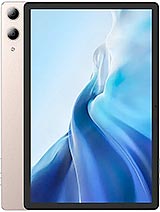
Tab E3 Pro
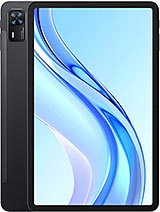
Tab E3
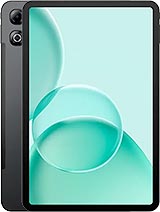
Tab G6 Max
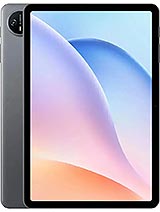
Tab A9
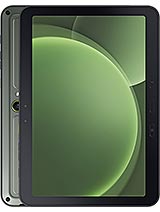
Galaxy Tab Active5 Pro