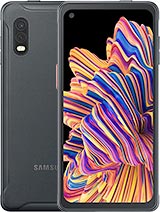
Energizer E20+ review
This phone suits only people in regions where GSM networks remain active and whose actual needs are voice calls, SMS, and FM radio—a shrinking cohort as 2G sunsets globally. For anyone else, even a used smartphone from five years ago offers far more utility and future-proofing. The low price is irrelevant if the network support disappears within months.
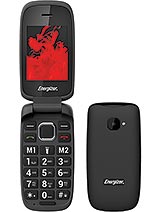
This review is based on Energizer’s published specifications and public benchmark data for the Energizer E20+, and the rating is spec-based. GoSolo does not physically test devices; where we estimate real-world behaviour such as battery life or charge time, we say so. How we rate phones.
Overview
The Energizer E20+ is a 2G-only feature phone for people in regions where GSM networks still exist and whose needs are limited to calls, texts, and FM radio. It is essentially unusable in most of the world where 2G has been or is being shut down, making it a niche product—cheap, yes, but increasingly stranded by the global shift to 3G and beyond.
Design & Build
The E20+ is compact at 105 x 52.6 mm and thick at 19.9 mm—about the size of a postage stamp in your pocket, which is fine for a phone designed purely for calls and texts. Dual SIM on Mini-SIM cards gives flexibility for people managing two numbers, common in regions with competing networks or high roaming costs. There is no weight figure listed, suggesting it is light enough to be unremarkable. The form factor is honest: no curves, no frills, just a small rectangle that fits your hand and does one job.
Display
The 2.4-inch TFT screen at 240 x 320 pixels (167 ppi) is adequate for a contact list and SMS, nothing more. This is not a screen built to show photos, apps, or any content beyond text and simple menus. The 32.3% screen-to-body ratio means most of the front is bezel, the way phones were in 2005. For a device that serves only calls and messages, this is proportionate. Do not expect color saturation or brightness; it is a basic LCD that gets the job done in daylight.
Performance & Connectivity
The Mediatek MT6261D running at 260 MHz is a 2G-era chipset incapable of running Android, iOS, or any modern operating system. It handles voice calls and SMS efficiently within its remit. The critical catch is connectivity: this phone runs GSM 2G only. 3G, 4G, LTE, and 5G are absent entirely. In 2023, when this was released, 2G networks were already shutting down in developed markets; by 2024–2025, they have ceased or are ceasing in many regions. Unless you are in one of the few countries where GSM still operates reliably, this phone is a paperweight. Even where 2G survives, its days are numbered. Bluetooth 3.0 is present but outdated; most paired devices expect 5.0 or later.
Camera
A 0.1MP rear camera—one-tenth of a megapixel—produces heavily pixelated images suitable only for emergency documentation or verification, not photography. Video recording is listed as available, though at this resolution, calling the output 'video' is charitable. For a 20 EUR phone, this is consistent; do not expect to capture a moment worth keeping.
Battery & Charging
The 1000 mAh battery provides roughly two to three days of standby with minimal use. A few calls and texts per day will stretch it further; any screen time or radio use will burn it faster. USB Type-C charging is a practical choice for 2023, sparing you the hunt for a micro-USB cable. At this capacity, a full charge takes under an hour on any modest charger, so turnaround is not a pain. The trade-off is that you are recharging frequently if you use the phone as more than an emergency line.
Radio & Storage
FM radio is a rarity on modern phones, and here it is a genuine perk—especially in regions where broadcast radio is still the main media source and internet data is costly or unreliable. A microSDHC slot lets you add storage for music or documents; no internal memory figure is given, suggesting it is minimal out of the box. For people without affordable data plans, this combination of FM radio and expandable storage fills a real gap.
Value & the Real Story
At 20 EUR, the Energizer E20+ is priced for its market: people in developing regions where GSM is still active and smartphones are either unaffordable or unnecessary. It is an honest budget phone with no pretense. The problem is timing and geography. Globally, 2G is dying. In Europe, GSM sunset is well underway. In many parts of Asia and Africa, it lingers longer, but even there, carriers are phasing it out. If you live in a region where 2G is reliably active and your needs are truly limited to calls, texts, and FM radio, this phone works. But its window of utility is closing month by month. Buying this in late 2023 or 2024 is a gamble on network longevity. For the same price or marginally more, refurbished 3G or 4G phones are available in many markets, offering vastly longer relevance. This device is a stop-gap, not an investment.
Verdict
This phone suits only people in regions where GSM networks remain active and whose actual needs are voice calls, SMS, and FM radio—a shrinking cohort as 2G sunsets globally. For anyone else, even a used smartphone from five years ago offers far more utility and future-proofing. The low price is irrelevant if the network support disappears within months.
- Dual SIM on a 2G network, useful for people managing multiple phone numbers in regions where GSM is still active
- FM radio and microSD slot give you basic media and storage without relying on mobile data
- USB Type-C charging on a budget phone from 2023 is a sensible touch
- At 20 EUR, the price matches what you get: a basic call-and-text device, no illusions
- 2G-only connectivity is becoming obsolete globally; many countries have shut down GSM or will within the next 1–2 years, rendering this phone inoperable
- 0.1MP camera is barely functional for anything beyond emergency verification
- 1000 mAh battery, though adequate for standby, drains fast under any real use
Energizer E20+ Key Specifications
The essentials at a glance. See the full spec sheet.
| Released | 2023, November |
|---|---|
| Display | 2.4 inches, 17.8 cm2 (~32.3% screen-to-body ratio), TFT |
| Resolution | 240 x 320 pixels, 4:3 ratio (~167 ppi density) |
| Chipset | Mediatek MT6261D |
| Main camera | QVGA |
| Selfie camera | No |
| Battery | 1000 mAh |
| Software | Android |
| Dimensions | 105 x 52.6 x 19.9 mm (4.13 x 2.07 x 0.78 in) |
| Network | GSM |
| NFC | No |
| USB | USB Type-C |
Energizer E20+ FAQ
Common questions, answered from the spec sheet.
Does the E20+ support 5G?
No. The E20+ tops out at GSM, without 5G.
What chipset does the E20+ use?
The E20+ runs on the Mediatek MT6261D.
What display does the E20+ have?
A 2.4 inches, 17.8 cm2 (~32.3% screen-to-body ratio) TFT, 240 x 320 pixels, 4:3 ratio (~167 ppi density).
How big is the E20+ battery?
The E20+ has a 1000 mAh battery.
Does the E20+ have NFC?
No, the E20+ does not list NFC support.
Does the E20+ support a microSD card?
Yes, the E20+ supports expandable storage (microSDHC).
Does the E20+ have a headphone jack?
No, the E20+ does not have a 3.5mm headphone jack.
Alternatives to consider
If the E20+ isn’t quite right, these are the closest calls.
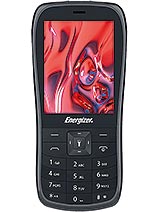
E29
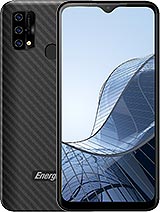
U683S
Ultimate U652S
E288s
Defy 2