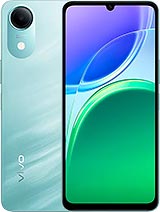
HMD Aura 2 review
The Aura 2 suits buyers in emerging markets who prioritize battery life, durability, and the ability to repair their own phone over performance or screen quality. If you need a dependable workhorse for communication and light tasks on a strict budget, and you value the ability to swap a battery or display yourself, it is worth considering. Anyone else—gamers, photographers, multitaskers, or people in regions with cheap flagship alternatives—should look at something faster and more capable."
This review is based on HMD’s published specifications and public benchmark data for the HMD Aura 2, and the rating is spec-based. GoSolo does not physically test devices; where we estimate real-world behaviour such as battery life or charge time, we say so. How we rate phones.
Overview
The HMD Aura 2 is a no-frills Android phone built for calls, messaging, and light browsing in regions where durability and cost matter more than speed. Its 5000mAh battery and user-replaceable parts give it genuine staying power, but the Unisoc chipset, low-res screen, and 10W charging mean compromises that feel deliberate rather than accidental.
Design & build
At 175g and 8.9mm thick, the Aura 2 feels light and pocketable, which matters when you're carrying a device you rely on daily. The IP54 rating protects against dust and water splashes—not submersion, but enough for rain and accidental spills in your pocket. The real story is repairability: HMD lets you swap the display, battery, back cover, and charging port yourself, which is rare at this price and a lifeline in regions where authorized repair costs or shipping times are prohibitive. Dual nano-SIM slots and a 3.5mm headphone jack add practical flexibility that vanished from most phones years ago. Build materials aren't specified, but the modest weight and plastic frame suggest a phone designed for durability through simplicity rather than luxury.
Display
The 6.56-inch IPS LCD panel stretches across most of the front, with an 82% screen-to-body ratio that's respectable for budget class. At 720×1612 resolution, text and icons remain legible at 268 ppi, but sharp it is not; next to any mid-range phone, the graininess becomes obvious. The 480 nits peak brightness (typical, not maximum) is adequate for reading and browsing in shade or overcast light, but direct sunlight washes it out—you'll need to angle or shield the screen in harsh conditions. For its price and intended use (messaging, calls, casual web), it does the job without fuss, but do not expect vibrant colors or the clarity you'd get at double the price.
Performance
The Unisoc SC9863A is an entry-level octa-core chip paired with 4GB RAM, and it shows. Messaging, calls, maps, and basic web browsing run smoothly without stuttering. Open Instagram or Twitter and scroll for a few minutes and you'll notice lag creeping in. Anything heavier—editing photos, running multiple apps, or gaming—exposes the limits quickly. This is not a phone for power users or anyone who juggles apps. It is built for people who need a stable, no-nonsense device for communication and light tasks. The 64GB or 128GB storage options are tight if you fill them with apps or media, and the shared microSD slot (using one nano-SIM) is a workaround, not a solution. For its intended market—someone on a tight budget in a region where network connectivity and battery life matter more than performance—it is fit for purpose.
Software
The phone ships on Android 13, which is now two to three years old and will not receive major OS upgrades. HMD has stripped the software down to essentials: you get stock Android without bloat, which is a small win for responsiveness on weak hardware. Security patches and minor updates may arrive, but do not count on timely or long-term support. For users who only need messaging apps and a web browser, this is fine; for anyone who plans to use the phone for three or four years without worrying about OS stagnation, it is a limitation.
Camera
The 13MP main sensor with autofocus captures decent daylight photos under good light, with LED flash for backup. At 1080p 30fps, video is basic but functional. In low light and for distant subjects, noise and softness are noticeable, and there is no optical or hybrid zoom—only digital crop. The 5MP selfie camera is adequate for video calls and occasional selfies. If photography matters to you, this phone will disappoint. If you need a camera that works in a pinch for documents, quick snapshots, and calls, it suffices.
Battery & charging
The 5000mAh battery is the standout here. On light use (calls, messaging, a bit of browsing), you will reach the evening or later without panic. Switch to heavier use—video streaming, social media, navigation—and expect 12 to 16 hours before needing power. At this price tier, most rivals ship 4000mAh or less, so HMD's choice to go large is thoughtful. Charging is slow: 10W fills the battery in roughly 90 to 120 minutes from empty, which means you cannot rely on a quick 15-minute top-up if your battery dies at midday. Plan around this limit, or pair it with a power bank if you are far from outlets for long stretches.
Value & verdict context
At €110, the Aura 2 occupies a category that barely exists in wealthier markets: the intentionally basic phone. It has no flagship features, no gaming credentials, and no camera standout. What it offers instead is longevity through repairability, a battery that lasts through a full day, a headphone jack, dual SIM, and water resistance—all things that matter deeply to people in regions where phones must last longer and repair options are limited. Compare it to a three-year-old mid-range hand-me-down, not to flagships or modern budget gaming phones. For a user who wants calls, messages, email, and basic browsing without paying for features they will never use, it is a rational choice. For anyone who wants to game, edit photos, or use demanding apps, or who expects OS updates over time, look elsewhere.
Verdict
The Aura 2 suits buyers in emerging markets who prioritize battery life, durability, and the ability to repair their own phone over performance or screen quality. If you need a dependable workhorse for communication and light tasks on a strict budget, and you value the ability to swap a battery or display yourself, it is worth considering. Anyone else—gamers, photographers, multitaskers, or people in regions with cheap flagship alternatives—should look at something faster and more capable."
- 5000mAh battery lasts a full day on light use and about 12–16 hours on heavier browsing and video; no middling 4000mAh compromise
- User-replaceable display, battery, back cover, and charging port extend device life without relying on repair shops or authorized service
- IP54 dust and splash protection plus 3.5mm headphone jack and dual SIM make it genuinely practical for budget buyers in developing markets
- Light 175g frame and 8.9mm thickness keep it pocket-friendly despite the large 6.56-inch screen
- Unisoc SC9863A with 4GB RAM handles messaging and browsing but stumbles on any app heavier than social media; no gaming or multitasking without lag
- 10W charging fills the battery in roughly 90–120 minutes, making emergency top-ups impractical if you're away from power
- 720×1612 resolution and 268 ppi on a 6.56-inch screen leave text and icons legible but not sharp; 480 nits peak brightness is adequate in shade but washed out in direct sun
HMD Aura 2 Key Specifications
The essentials at a glance. See the full spec sheet.
| Released | 2024, May 23 |
|---|---|
| Display | 6.56 inches, 101.4 cm2 (~82.0% screen-to-body ratio), IPS LCD, 480 nits (typ) |
| Resolution | 720 x 1612 pixels (~268 ppi density) |
| Chipset | Unisoc SC9863A1 (22 nm) |
| RAM & storage | 64GB 4GB RAM, 128GB 4GB RAM |
| Main camera | 13 MP, (wide), AF Auxiliary lens |
| Selfie camera | 5 MP |
| Battery | 5000 mAh |
| Charging | 10W wired |
| Software | Android 13 |
| Dimensions | 163.9 x 75.5 x 8.9 mm (6.45 x 2.97 x 0.35 in) |
| Weight | 175 g (6.17 oz) |
| Durability | IP54 dust protected and water resistant (water splashes) - EU onlyRepair-it-yourself capable (display, back cover, battery and charging port repairs) |
| Network | GSM / HSPA / LTE |
| NFC | No |
| USB | USB Type-C 2.0, OTG |
HMD Aura 2 FAQ
Common questions, answered from the spec sheet.
Does the Aura 2 support 5G?
No. The Aura 2 tops out at GSM / HSPA / LTE, without 5G.
What chipset does the Aura 2 use?
The Aura 2 runs on the Unisoc SC9863A1 (22 nm).
What display does the Aura 2 have?
A 6.56 inches, 101.4 cm2 (~82.0% screen-to-body ratio) IPS LCD, 480 nits (typ), 720 x 1612 pixels (~268 ppi density).
How big is the Aura 2 battery?
The Aura 2 has a 5000 mAh battery. Charging is rated at 10W wired.
Does the Aura 2 have NFC?
No, the Aura 2 does not list NFC support.
Is the Aura 2 water resistant?
The Aura 2 carries a IP54 dust protected and water resistant (water splashes) - EU onlyRepair-it-yourself capable (display, back cover, battery and charging port repairs) rating.
Does the Aura 2 support a microSD card?
Yes, the Aura 2 supports expandable storage (microSDXC (uses shared SIM slot)).
Does the Aura 2 have a headphone jack?
Yes, the Aura 2 has a 3.5mm headphone jack.
Alternatives to consider
If the Aura 2 isn’t quite right, these are the closest calls.
Touch 4G
Arc
Aura
Arc 2
Play20C