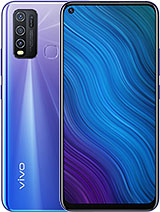
HMD Pulse Pro review
The Pulse Pro suits users in emerging markets who prioritize durability, repairability, and battery endurance over performance and charging speed. Buyers in regions with accessible repair shops, cheap phone prices, and fast chargers as standard should look elsewhere—the slow processor and charging will feel like constant compromise.
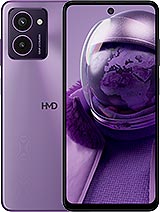
This review is based on HMD’s published specifications and public benchmark data for the HMD Pulse Pro, and the rating is spec-based. GoSolo does not physically test devices; where we estimate real-world behaviour such as battery life or charge time, we say so. How we rate phones.
Overview
The HMD Pulse Pro is a budget phone built around a removable 5000mAh battery and dust-splash resistance for emerging markets where repairability and durability matter more than raw speed. Its weak processor, grainy 1080p video, and slow 20W charging undercut the long battery life, making it a practical choice for light users in regions with unreliable power or expensive repair shops, but not a compelling pick elsewhere.
Design & build
At 196g and 8.6mm thick, the Pulse Pro is trim and light for its 6.65-inch frame, landing somewhere between comfortable and forgettable. The real story is the dust and splash resistance—not fancy, but real protection against everyday spills and grit that matters to people who can't replace a phone every two years. The standout move is the user-replaceable 5000mAh battery, a rarity now and a genuine lifeline if you're in a region where official repair is expensive or unavailable. That practicality edges out the plastic-feeling build.
Display
The 6.65-inch IPS LCD runs 90Hz and peaks at 600 nits in high-brightness mode, which is enough for daylight readability without being particularly bright for a 2024 phone. The 720p resolution at 265 ppi is noticeably soft—not terrible for casual browsing or video, but text and icons lack the sharpness you'd expect on a modern 6.6-inch screen. The 90Hz refresh keeps scrolling smooth, which helps mask the lower pixel density a bit. This is very much a budget panel doing budget duty: serviceable, not sharp.
Performance
The Unisoc T606 is entry-level silicon for 2024, built on a 12nm process but with modest clock speeds and a single Mali-G57 GPU core. Light everyday tasks—messaging, calls, web browsing, social media—run fine. Video playback is steady, and casual games with low graphics will work. Demanding 3D games will stutter or force you to cut settings low. The octa-core layout (two faster cores, six efficiency cores) is a paper spec that doesn't translate to noticeably snappier performance against older midrange chips. If you do heavy multitasking or game for more than a few minutes, you'll notice the lag. For typing, email, and quick apps, it's adequate; anything beyond that feels slow.
Software
Android 14 arrives out of the box with a clean, stock experience. HMD's light touch on customization means you get Google's Android without bloat, which is refreshing for a budget phone. Long-term update prospects are unclear—HMD has been inconsistent historically—so don't bank on multiple major OS releases. The 4GB base RAM is bare-minimum for Android 14's memory management; the 6GB and 8GB variants give you breathing room if you plan to keep the phone for two years.
Camera
The 50MP main sensor captures daylight detail adequately, with autofocus and LED flash for basic night shots. Outdoors in good light, you get serviceable photos with decent color and detail for social sharing. Low light is where the cracks show: photos turn grainy and lose sharpness quickly as the sun dips. Video tops out at 1080p 30fps, which is restrictive by 2024 standards and results in jittery footage on moving subjects and visible noise in dim scenes. The 50MP selfie camera handles basic video calls and selfies, but don't expect any serious computational photography tricks. For a budget phone, the camera is predictable—fine for everyday snaps, weak for anything that demands real image processing.
Battery & charging
The 5000mAh battery is the phone's anchor. In light use (messaging, calls, social media), expect about 1.5 days of runtime; heavier use (gaming, video, constant browsing) drops that to a full day or less. That's solid endurance for the price and size. The catch is 20W charging, which takes roughly 90 to 120 minutes to go from empty to full—sluggish by modern standards, where 65W or faster is common even at this price in some markets. A 30-to-45-minute midday top-up will carry you through the afternoon, which is useful, but overnight charging is the reality. The removable battery means you could theoretically swap in a fresh cell if your current one degrades, a real advantage in places where battery service is difficult or pricey.
Value & verdict
At around 160 EUR, the Pulse Pro pitches itself as a resilient, long-lasting budget phone for users who can't rely on frequent upgrades or repair access. The removable battery and dust-splash rating deliver on that promise. The trade-offs—weak performance, low display sharpness, slow charging, grainy video—are real but forgivable if your priorities are durability and battery life over snappiness. For markets where phones are expensive to replace and repair shops are scarce, this phone makes sense. For users in regions with cheap phone turnover and fast chargers as standard, the Pulse Pro feels outdated and frustratingly slow. The lack of 5G and the slow video max out the entry-level feeling.
Verdict
The Pulse Pro suits users in emerging markets who prioritize durability, repairability, and battery endurance over performance and charging speed. Buyers in regions with accessible repair shops, cheap phone prices, and fast chargers as standard should look elsewhere—the slow processor and charging will feel like constant compromise.
- User-replaceable 5000mAh battery—a rarity that sidesteps expensive official repair if the cell degrades
- Dust and splash resistance plus light, slim build makes it durable for daily knocks and spills
- About 1.5 days battery life in light use, genuine endurance for a budget phone
- Stock Android 14 with minimal bloat and clean software experience
- 20W charging takes 90–120 minutes, slow even by budget standards and frustrating for daily top-ups
- 720p display at 6.65 inches feels soft and dated; text lacks sharpness for a 2024 phone
- Entry-level Unisoc T606 chipset stutters in demanding apps and games; noticeably slower than budget phones from even a year or two back
HMD Pulse Pro Key Specifications
The essentials at a glance. See the full spec sheet.
| Released | 2024, April 24 |
|---|---|
| Display | 6.65 inches, 106.2 cm2 (~86.8% screen-to-body ratio), IPS LCD, 90Hz, 480 nits (typ), 600 nits (HBM) |
| Resolution | 720 x 1612 pixels, 20:9 ratio (~265 ppi density) |
| Chipset | Unisoc T606 (12 nm) |
| RAM & storage | 128GB 4GB RAM, 128GB 6GB RAM, 128GB 8GB RAM |
| Main camera | 50 MP, (wide), AF Auxiliary lens |
| Selfie camera | 50 MP |
| Battery | 5000 mAh |
| Charging | 20W wired |
| Software | Android 14 |
| Dimensions | 163.2 x 75 x 8.6 mm (6.43 x 2.95 x 0.34 in) |
| Weight | 196 g (6.91 oz) |
| Durability | Dust and splash resistant |
| Network | GSM / HSPA / LTE |
| NFC | Yes |
| USB | USB Type-C 2.0, OTG |
HMD Pulse Pro FAQ
Common questions, answered from the spec sheet.
Does the Pulse Pro support 5G?
No. The Pulse Pro tops out at GSM / HSPA / LTE, without 5G.
What chipset does the Pulse Pro use?
The Pulse Pro runs on the Unisoc T606 (12 nm).
What display does the Pulse Pro have?
A 6.65 inches, 106.2 cm2 (~86.8% screen-to-body ratio) IPS LCD, 90Hz, 480 nits (typ), 600 nits (HBM), 720 x 1612 pixels, 20:9 ratio (~265 ppi density).
How big is the Pulse Pro battery?
The Pulse Pro has a 5000 mAh battery. Charging is rated at 20W wired.
Does the Pulse Pro have NFC?
Yes, the Pulse Pro has NFC.
Is the Pulse Pro water resistant?
The Pulse Pro carries a Dust and splash resistant rating.
Does the Pulse Pro support a microSD card?
Yes, the Pulse Pro supports expandable storage (microSDXC).
Does the Pulse Pro have a headphone jack?
Yes, the Pulse Pro has a 3.5mm headphone jack.
Alternatives to consider
If the Pulse Pro isn’t quite right, these are the closest calls.
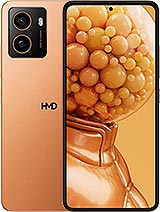
Pulse+
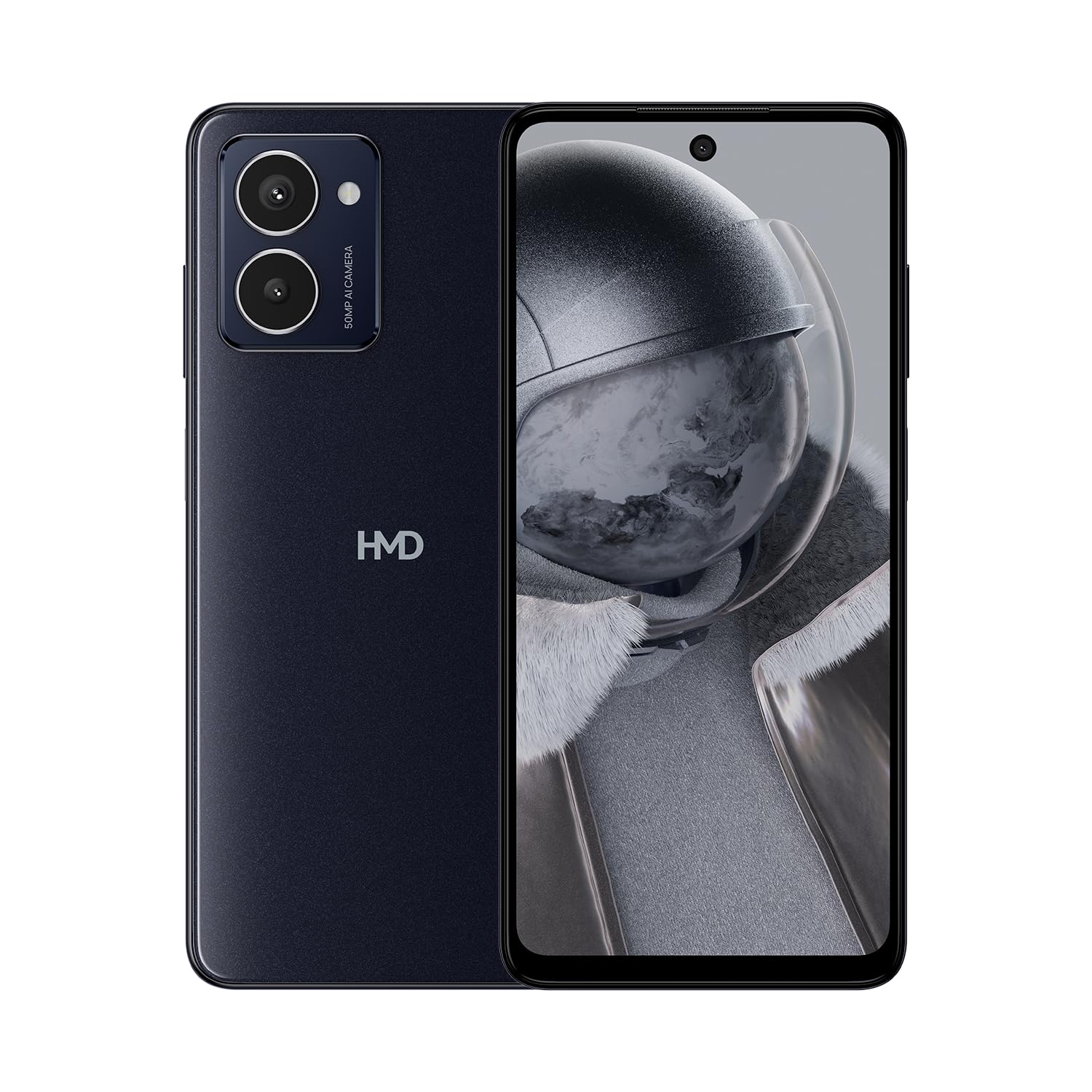
Pulse 2 Pro
101 4G
Vibe
Galaxy M06 5G