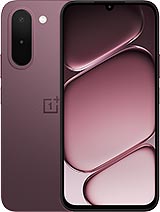
Honor Play10A review
The Play10A suits someone who primarily uses WiFi at home, sends messages, watches videos, and rarely travels or games; the battery life and screen size are genuine strengths. Skip it if you need responsive performance, a sharp display, or fast charging, or if you regularly move between WiFi networks or demand quick phone access throughout the day.

This review is based on Honor’s published specifications and public benchmark data for the Honor Play10A, and the rating is spec-based. GoSolo does not physically test devices; where we estimate real-world behaviour such as battery life or charge time, we say so. How we rate phones.
Overview
The Play10A is a large, light budget phone that prioritizes screen real estate and endurance over raw power or camera ambition. It suits someone who lives in messaging and streaming, has reliable WiFi access, and doesn't game or multitask hard—but the low-res display and ancient charging speed feel dated even for 80 euros.
Design & build
At 7.9mm thick and 186g, the Play10A is genuinely slim and light for its 6.74-inch footprint, which is the strongest comfort argument it makes. The size-to-weight ratio works well for single-handed reach (relatively speaking for a phone this wide) and pocket carry. That said, the spec sheet lists no IP rating, meaning rain, dust, or a pool-side slip are genuine hazards. For a 2025 phone at this price, even a modest IP52 rating would matter; the absence leaves it fragile. Build materials are not specified, so assume plastic chassis throughout.
Display
The 6.74-inch TFT LCD at 720 x 1600 pixels resolves to 260 ppi, which means text and icons are legible but visibly pixelated up close—not sharp. The 90Hz refresh helps scrolling feel smoother than a standard 60Hz panel, but a TFT LCD cannot match modern AMOLED contrast, black depth, or brightness outdoors. Direct sunlight readability will frustrate. At this price and screen size, the resolution is the real compromise; rivals in this category now ship 1080p panels, and the difference in clarity is real, not spec-sheet padding. The 85% screen-to-body ratio is decent but not remarkable.
Performance
The Helio G81 is a four-year-old entry-level chipset by 2025 standards, and it shows. Day-to-day messaging, calls, and light browsing are fine. But demanding apps, social media feeds with video, and anything beyond older casual games will lag or stutter noticeably. Genshin Impact, Call of Duty Mobile, or heavy multitasking will expose the weak Mali-G52 GPU. The 4GB RAM ceiling adds to the bottleneck; many rivals at this price now offer 6 or 8GB. This is a phone for someone who uses it like a dumb phone that happens to run Android—social messaging, email, YouTube, GPS. Power users or anyone who games will hit a wall.
Software
Android 15 with Honor's MagicOS 9 overlay is current. MagicOS adds a few Honor-specific features (mostly tweaks and shortcuts), but nothing that justifies or harms the experience. Android 15 itself is snappy on light loads. The real question is update support, which Honor typically provides for two major versions on budget models, meaning this phone will likely drop off security patches by 2027. For the price, that is acceptable, but it is worth knowing upfront.
Camera
The 50MP main sensor with f/1.8 aperture and phase-detect autofocus captures decent daytime shots with good exposure and color for a budget phone. Low-light performance is passable thanks to the wider aperture and PDAF, but not brilliant. The hard limitation is the absence of any zoom or ultra-wide lens; you cannot reframe a distant subject or capture a sweeping vista without physically moving. The 5MP selfie camera is basic. Video maxes out at 1080p@30fps, which is increasingly common but leaves no room for 4K or high-frame-rate capture. For casual snapshots and social media, this suffices; for anything more ambitious, it will frustrate.
Battery & charging
The 5260 mAh battery is substantial, and real-world endurance is the standout. With light use—messaging, social media, web browsing, occasional video—expect two to three days between charges. Heavier use (gaming, streaming, GPS navigation) drops it to one day, but the battery itself is generous. The charging speed, however, is where modern standards have moved on. At 15W, a full charge takes around 90 to 120 minutes from zero, which is slow by 2025 measure; rivals now routinely ship 30W, 45W, or higher. If you have predictable charging habits (plug in at night, use at home during the day), this is fine. If you depend on rapid top-ups, plan ahead or carry a power bank.
Value & verdict
At roughly 80 euros, the Play10A undercuts most rivals, which partly justifies the dated chipset and TFT display. The battery capacity and screen size are genuine selling points for sedentary users. But a slight premium buys phones with sharper screens, newer chipsets, and faster charging. The Play10A is not a clear winner in any category except physical lightness and battery mileage; it is a phone that accepts multiple compromises to keep the price low. Whether that math works depends entirely on priorities. If your life is WiFi, messaging, and sitting still, the big screen and two-day battery are persuasive. If you move around, game, or work heavily on your phone, this will feel slow and fragile.
Verdict
The Play10A suits someone who primarily uses WiFi at home, sends messages, watches videos, and rarely travels or games; the battery life and screen size are genuine strengths. Skip it if you need responsive performance, a sharp display, or fast charging, or if you regularly move between WiFi networks or demand quick phone access throughout the day.
- 5260 mAh battery easily reaches two to three days of light use—real endurance for a budget phone.
- 6.74-inch screen is genuinely spacious for browsing, video, and reading; slim 7.9mm chassis makes it comfortable to hold despite the size.
- 50MP main camera with f/1.8 aperture and PDAF handles daytime photos and moderate low light well for the price point.
- 15W charging is slow; plan on 90–120 minutes for a full charge, which feels outdated for 2025.
- 720p display at 260 ppi looks visibly pixelated; rivals at this price now offer sharper 1080p panels.
- Helio G81 chipset is four years old and cannot handle demanding apps, modern games, or heavy multitasking without stuttering.
Honor Play10A Key Specifications
The essentials at a glance. See the full spec sheet.
| Released | 2025, October 23 |
|---|---|
| Display | 6.74 inches, 109.7 cm2 (~85.3% screen-to-body ratio), TFT LCD, 90Hz |
| Resolution | 720 x 1600 pixels, 20:9 ratio (~260 ppi density) |
| Chipset | Mediatek Helio G81 (12 nm) |
| RAM & storage | 128GB 4GB RAM |
| Main camera | 50 MP, f/1.8, (wide), PDAF Auxiliary lens |
| Selfie camera | 5 MP, f/2.2, (wide) |
| Battery | 5260 mAh |
| Charging | 15W wired |
| Software | Android 15, MagicOS 9 |
| Dimensions | 167 x 77 x 7.9 mm (6.57 x 3.03 x 0.31 in) |
| Weight | 186 g (6.56 oz) |
| Network | GSM / HSPA / LTE |
| NFC | No |
| USB | USB Type-C 2.0, OTG |
Honor Play10A FAQ
Common questions, answered from the spec sheet.
Does the Play10A support 5G?
No. The Play10A tops out at GSM / HSPA / LTE, without 5G.
What chipset does the Play10A use?
The Play10A runs on the Mediatek Helio G81 (12 nm).
What display does the Play10A have?
A 6.74 inches, 109.7 cm2 (~85.3% screen-to-body ratio) TFT LCD, 90Hz, 720 x 1600 pixels, 20:9 ratio (~260 ppi density).
How big is the Play10A battery?
The Play10A has a 5260 mAh battery. Charging is rated at 15W wired.
Does the Play10A have NFC?
No, the Play10A does not list NFC support.
Does the Play10A support a microSD card?
Yes, the Play10A supports expandable storage (microSDXC (uses shared SIM slot)).
Does the Play10A have a headphone jack?
Yes, the Play10A has a 3.5mm headphone jack.
Alternatives to consider
If the Play10A isn’t quite right, these are the closest calls.

Play20A

X5c

X6c

X5c Plus
Galaxy M17e