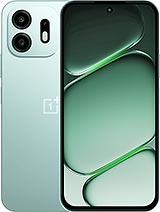
Honor Play11 review
The Play11 suits users who prioritize battery life, ruggedness, and a large display over snappy performance and resolution. Anyone else shopping at this price should check what the next tier offers; the gap between entry-level and the rung above is where real frustration lives.
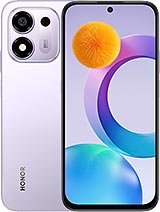
This review is written with AI assistance from Honor’s published specifications and public benchmark data for the Honor Play11, and the rating is spec-based. GoSolo does not physically test devices; where we estimate real-world behaviour such as battery life or charge time, we say so. How we rate phones.
Overview
The Honor Play11 is a budget 5G phone with a large 6.87-inch display and hardy build, but the 720p resolution and entry-level chipset make it feel like yesterday's phone at today's price. If you need long battery life and all-day durability on a tight budget, it works; otherwise, the display compromise and glacial performance shortchange you.
Design & Build
At 216.5g and 8.3mm thick, the Play11 is hefty and dense, but its glass front and plastic back with a metal frame feel durable rather than cheap. The IP68/IP69K rating with 1.5m immersion and 2.5m drop resistance is the real asset here; this phone can take a soaking and a fall without flinching. For a budget device in markets where phones are babied or abused in equal measure, that resilience matters more than pursuing thinness. The 86.5% screen-to-body ratio is respectable and makes the large chassis feel justified.
Display
A 6.87-inch TFT LCD at 120Hz is generous in size and refresh, and 1020 nits of peak brightness handles sunlight adequately. The problem is the 720 x 1592 resolution, which yields 254ppi on this enormous screen. Text stays readable, but images and fine details look soft in comparison to even mid-range phones at this price; web pages and social feeds lack crispness. For someone spending hours scrolling, this is a tangible downgrade. The 120Hz helps motion feel smooth, but on low-end silicon, that refresh rate will be throttled in heavier apps anyway.
Performance
The Snapdragon 4 Gen 4 with Adreno 613 is entry-level—it will handle messaging, social apps, and light photography without drama, but switching between apps lags noticeably and mobile games either drop frames or run at low settings. By late 2026, rivals at this price are pushing slightly faster Snapdragon 6-series or equivalent chips; sticking with a 4-series feels like a cost-cut that buyers will feel every day. The 6GB or 8GB of RAM helps app retention, but the CPU is the bottleneck. This phone is acceptable for retirees or light users, mediocre for anyone who actually uses their phone.
Camera
The 50MP f/1.8 main sensor with autofocus is a solid core for a budget phone and captures decent daylight photos with good detail and color. LED flash and HDR are there when needed, and panorama mode rounds out the basics. The real limitation is the lack of any secondary camera—no ultrawide, no macro, no depth sensor—which means you are locked to a single focal length. Video maxes out at 1080p@30fps, fine for short clips but pedestrian by 2026 standards. The 5MP selfie does the job for video calls but adds little to portraits. For casual photos the camera is competent; for anything beyond that, it feels narrow.
Battery & Charging
The 8300mAh battery is substantial and will easily survive a full day of moderate use, even with the 120Hz display enabled. 45W charging is middle-of-the-road; it is not slow, but mid-range rivals now push 60W to 80W as standard, so expect a full charge to take about an hour rather than 30-40 minutes. For a budget shopper who charges overnight, this is irrelevant; for anyone on the move, the slower top-up stings. The spec sheet confirms 45W, which means Honor is prioritizing endurance over quick turnaround.
Software & Features
Android 16 with MagicOS 10 brings a recent OS base, and NFC support is appreciated for payments and data sharing. The side-mounted fingerprint sensor is convenient, and virtual proximity sensing avoids the need for a physical sensor. Wi-Fi 6 is absent (you get Wi-Fi 5), and Bluetooth 4.2 is dated—rivals offer Bluetooth 5.3 or 5.4 for better range and lower power drain. USB Type-C 2.0 is the bare minimum in 2026; Type-C 3.0 or higher would be standard. These are not showstoppers, but they feel like corners Honor cut to hit the price.
Value & Verdict
At 190 EUR, the Play11 slots into the ultra-budget space where durability, battery, and screen size can matter more than pure performance. If you want a large, tough phone that lasts days between charges and do not mind low-resolution text or slow app switching, this delivers. Spending another 50-70 EUR typically gets you a Snapdragon 6-series chip, a sharper display, and faster charging—upgrades that pay for themselves within a year. The Play11 makes sense only if you are buying for durability or screen real estate and can live with performance and resolution as deliberate trade-offs, not just accept them.
Verdict
The Play11 suits users who prioritize battery life, ruggedness, and a large display over snappy performance and resolution. Anyone else shopping at this price should check what the next tier offers; the gap between entry-level and the rung above is where real frustration lives.
- Large 6.87-inch display with 120Hz refresh and 1020 nits brightness, rare at this price point
- Rugged IP68/IP69K rating and 2.5m drop resistance with a plastic back that won't shatter
- 8300mAh battery and 45W charging deliver real endurance for light use
- 5G and NFC on a 190 EUR phone is table stakes now but still valuable for future-proofing
- 720p resolution on a 6.87-inch screen yields 254ppi—noticeably grainy text and image detail for daily scrolling and reading
- Snapdragon 4 Gen 4 is entry-level and will stutter in demanding apps and games; rivals now push faster chips even at this tier
- 50MP camera with 1080p video and no ultrawide, telephoto, or macro—adequate in daylight but limited in versatility
Honor Play11 Key Specifications
The essentials at a glance. See the full spec sheet.
| Released | 2026, September 14 |
|---|---|
| Display | 6.87 inches, 114.3 cm2 (~86.5% screen-to-body ratio), TFT LCD, 120Hz, 1020 nits (HBM) |
| Resolution | 720 x 1592 pixels (~254 ppi density) |
| Chipset | Qualcomm SM4450-AF Snapdragon 4 Gen 4 |
| RAM & storage | 128GB 6GB RAM, 128GB 8GB RAM, 256GB 8GB RAM |
| Main camera | 50 MP, f/1.8, (wide), AF Auxiliary Lens |
| Selfie camera | 5 MP, f/2.2, (wide) |
| Battery | 8300 mAh |
| Software | Android 16, MagicOS 10 |
| Dimensions | 168.3 x 78.5 x 8.3 mm (6.63 x 3.09 x 0.33 in) |
| Weight | 216.5 g (7.65 oz) |
| Build | Glass front, plastic frame, plastic back |
| Durability | IP68/IP69K dust tight and water resistant (high pressure water jets; immersible up to 1.5m for 30 min) Drop resistant up to 2.5m |
| Network | GSM / HSPA / LTE / 5G |
| NFC | Yes |
| USB | USB Type-C 2.0, OTG |
Honor Play11 FAQ
Common questions, answered from the spec sheet.
Does the Play11 support 5G?
Yes. The Play11 supports 5G networks.
What chipset does the Play11 use?
The Play11 runs on the Qualcomm SM4450-AF Snapdragon 4 Gen 4.
What display does the Play11 have?
A 6.87 inches, 114.3 cm2 (~86.5% screen-to-body ratio) TFT LCD, 120Hz, 1020 nits (HBM), 720 x 1592 pixels (~254 ppi density).
How big is the Play11 battery?
The Play11 has a 8300 mAh battery.
Does the Play11 have NFC?
Yes, the Play11 has NFC.
Is the Play11 water resistant?
The Play11 carries a IP68/IP69K dust tight and water resistant (high pressure water jets; immersible up to 1.5m for 30 min) Drop resistant up to 2.5m rating.
Does the Play11 support a microSD card?
No, the Play11 does not support expandable storage.
Alternatives to consider
If the Play11 isn’t quite right, these are the closest calls.
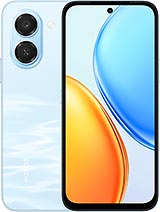
Play 80 Plus

Play11 Plus
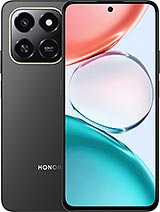
Play 80 Pro
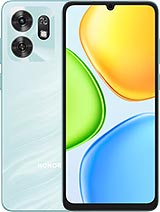
Play 80
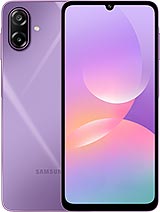
Galaxy M17e