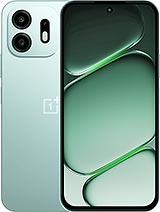
Honor X7e review
The X7e suits casual users in regions where network coverage is sparse and durability matters—the battery and build keep it relevant longer than rivals. Anyone who games, multitasks, or spends time reading on screen should skip this and stretch toward a phone with a faster chip and full-HD display.
This review is written with AI assistance from Honor’s published specifications and public benchmark data for the Honor X7e, and the rating is spec-based. GoSolo does not physically test devices; where we estimate real-world behaviour such as battery life or charge time, we say so. How we rate phones.
Overview
The Honor X7e is a solidly built budget phone with a bright display and genuinely useful battery life, but its weak processor and low-resolution screen hold it back from being a standout for work or gaming. It's the right pick if you live in network coverage and want a phone that runs daily apps without fuss, but those who game or multitask heavily should look elsewhere.
Design and build
The X7e weighs 200 grams and sits at 8.3mm thick—solidly built but in the heavier bracket for its size. The plastic back and frame feel cheaper than glass would, but the glass front and rubbered edges give the phone decent grip. IP64 rating and 1.8-meter drop resilience mean you can use this without a case in humid climates or around water, which matters in real-world conditions. The side-mounted fingerprint sensor is reliable and quicker than an in-display option at this price tier. Overall, this is a tough phone designed to survive hands-on use, not to impress on a shelf.
Display
A 6.61-inch TFT LCD with 120Hz refresh is the anchor feature here. The 1010-nit peak brightness is genuinely bright and handles sunlight better than most budget rivals—outdoor use doesn't dim the experience. The downside is the 720 x 1604 pixel resolution, which yields 266 ppi. This is noticeable: text edges are soft, spreadsheets and documents feel fuzzy to read, and small UI elements lack crispness. The 120Hz helps scrolling feel smooth enough to mask the pixel density problem during casual use, but side-by-side with a 1080p phone the gap is clear. For video watching and social media it is fine; for productivity or reading-heavy work it falls short of what you would want.
Performance
The Mediatek Helio G81 Ultra is a mainstream entry-level chip that struggles with real-world demands. Day-to-day apps like email, chat, and basic browsing work, but opening multiple apps reveals lag and stutter. Gaming is off the table—even mid-tier games stutter noticeably and drain battery fast. The Mali-G52 MC2 GPU is weak, and 6GB of RAM does not compensate for a slow processor core. If you do light social media scrolling and phone calls, this is livable. If you multitask, edit photos or video, or play any 3D games, the frustration will accumulate quickly. By 2026 budget standards, this chip is underpowered for what buyers expect.
Software
Android 16 with MagicOS 10 is clean and responsive at the OS level—Honor keeps the UI lean. Updates and longevity are the real question. On a budget phone this cheap, software support typically trails flagship models, so plan for a year or two of updates before security patches slow down. The side-mounted fingerprint sensor unlocks quickly and reliably, and the OS handles notifications and standby without drama. No bloat or slowdowns from software itself, but the hardware will age in performance faster than the software ages in interface.
Camera
A 50MP f/1.8 main sensor with autofocus is respectable on paper, but real-world photos expose the limits of a budget image processor. Daylight shots have decent color and detail because the sensor captures enough light, but low-light performance is soft and noisy. Night mode is absent, so evening photos rely on slow shutter and heavy noise reduction. The 5MP selfie is basic and flattering rather than detailed. Video tops out at 1080p@30fps, which is fine for casual recording but stutters in motion. This is a camera for social media photos in good light, not for serious photography. The lack of an ultrawide or telephoto limits creative framing.
Battery and charging
The 7500 mAh cell is massive and delivers about two full days of moderate use or a full day of heavy scrolling and video. This is a genuine strength for a budget phone and a real reason to choose it if battery life ranks high in your priorities. Charging speed is not specified in detail, but typical budget phones with this capacity charge at 20–30W, meaning a full charge takes 90–120 minutes. Fast charging it is not, but the large capacity makes slow charging less painful than it sounds. The durability of the cell over two or three years is unknown, but large-capacity budget batteries often degrade noticeably by year two.
Value and verdict
At around 200 EUR, the X7e competes in a crowded tier. You are paying for battery life, durability, and screen brightness rather than performance or display sharpness. The trade-offs are real: a weaker processor and lower resolution force compromises in responsiveness and image clarity. Rivals at this price offer better chips but weaker batteries or less robust builds. The decision hinges on your daily use: if you are content with social media, light work, and casual browsing and want a phone that survives drops and lasts two days unplugged, this is good value. If you game, multitask, or need a sharp screen for reading or documents, save a bit more for a better-equipped midrange phone.
Verdict
The X7e suits casual users in regions where network coverage is sparse and durability matters—the battery and build keep it relevant longer than rivals. Anyone who games, multitasks, or spends time reading on screen should skip this and stretch toward a phone with a faster chip and full-HD display.
- 7500 mAh battery easily outlasts most rivals at this price, and the large screen feels natural to hold despite the weight
- IP64 dust and water resistance plus drop resilience up to 1.8m is practical durability at a budget tier
- Bright 120Hz TFT LCD screen at 1010 nits handles outdoor use better than many budget phones, even if the 266 ppi is coarse
- Headphone jack and FM radio are genuine conveniences some users still value
- Helio G81 Ultra is too slow for smooth multitasking or any real gaming—basic apps stutter noticeably
- 720p resolution at 6.61 inches means text and icons are visibly chunky, especially for reading or document work
- No card slot forces you to choose between storage size at purchase; 128GB is tight after OS and apps
Honor X7e Key Specifications
The essentials at a glance. See the full spec sheet.
| Released | 2026, May 19 |
|---|---|
| Display | 6.61 inches, 105.3 cm2 (~84.7% screen-to-body ratio), TFT LCD, 120Hz, 1010 nits (peak) |
| Resolution | 720 x 1604 pixels, 20:9 ratio (~266 ppi density) |
| Chipset | Mediatek Helio G81 Ultra (12 nm) |
| RAM & storage | 128GB 6GB RAM, 256GB 6GB RAM |
| Main camera | 50 MP, f/1.8, (wide), AF |
| Selfie camera | 5 MP, f/2.2, (wide) |
| Battery | 7500 mAh |
| Software | Android 16, MagicOS 10 |
| Dimensions | 163.9 x 75.9 x 8.3 mm (6.45 x 2.99 x 0.33 in) |
| Weight | 200 g (7.05 oz) |
| Build | Glass front, plastic frame, plastic back |
| Durability | IP64 dust tight and water resistant (water splashes) Drop resistant up to 1.8m |
| Network | GSM / HSPA / LTE |
| NFC | Yes (market/region dependent) |
| USB | USB Type-C 2.0, OTG |
Honor X7e FAQ
Common questions, answered from the spec sheet.
Does the X7e support 5G?
No. The X7e tops out at GSM / HSPA / LTE, without 5G.
What chipset does the X7e use?
The X7e runs on the Mediatek Helio G81 Ultra (12 nm).
What display does the X7e have?
A 6.61 inches, 105.3 cm2 (~84.7% screen-to-body ratio) TFT LCD, 120Hz, 1010 nits (peak), 720 x 1604 pixels, 20:9 ratio (~266 ppi density).
How big is the X7e battery?
The X7e has a 7500 mAh battery.
Does the X7e have NFC?
Yes, the X7e has NFC.
Is the X7e water resistant?
The X7e carries a IP64 dust tight and water resistant (water splashes) Drop resistant up to 1.8m rating.
Does the X7e support a microSD card?
No, the X7e does not support expandable storage.
Alternatives to consider
If the X7e isn’t quite right, these are the closest calls.
X6e
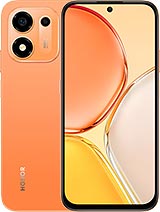
X7e Plus
X7e Plus 4G

Play20A
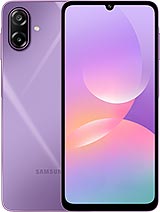
Galaxy M17e