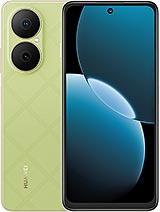
HTC Wildfire E6 review
This phone suits someone in a tight budget who needs basic calling, messaging, and light web browsing without expectations for speed or image quality. Anyone with a bit of flexibility on price, or who uses their phone for photos, video, or juggling multiple apps, should look at a budget model from Samsung or Xiaomi instead.
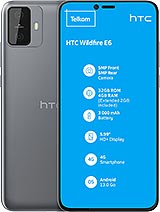
This review is based on HTC’s published specifications and public benchmark data for the HTC Wildfire E6, and the rating is spec-based. GoSolo does not physically test devices; where we estimate real-world behaviour such as battery life or charge time, we say so. How we rate phones.
Overview
The HTC Wildfire E6 is a budget Android phone aimed at users who need basic calling, messaging, and web browsing without high expectations for speed or camera quality. At 40 EUR, it delivers what you pay for—a functional device that struggles with multitasking, photography, and battery endurance beyond light daily use.
Design & build
The Wildfire E6 feels exactly like a 40 EUR phone. Glass front and plastic back on a plastic frame is budget-tier assembly without pretense. The 6-inch screen dominates the front, and the choice of only gray doesn't help it look more appealing on a shelf. No weight or dimension specs are listed, but this construction promises neither durability nor comfort—expect it to feel light and hollow in hand, and the plastic back will pick up fingerprints and scratches quickly. For the price, you're getting the bare minimum: a device that works, not one that feels good to own.
Display
A 6-inch TFT LCD at 292 ppi is functional but no better. The 720 x 1600 resolution is sharp enough for text on a phone-sized screen, and the 20:9 ratio squeezes more vertical room for scrolling. Where it falters is color and brightness. TFT LCD at this density cannot match the contrast or color range of modern IPS or OLED screens, even budget ones. Viewing angles are narrow, so tilting the phone slightly washes out the image. If you're primarily texting and browsing basic websites in daylight, it does the job. If you watch videos or care about color accuracy, you will notice the flatness.
Performance
HTC has not disclosed the chipset, which is a red flag in itself. Android 13 Go Edition is designed for low-end hardware, stripping down system overhead to run on minimal RAM. Here, 2GB RAM is the real constraint. Opening more than three or four apps causes the system to stall and freeze. Switching between apps is slow, and any app with memory demands—photo editing, maps, even some games—will trigger lag or crashes. For basic calls, texts, and single-app use like YouTube or messaging, the phone limps along. Multitask or ask it to handle anything intensive, and it will frustrate you within minutes.
Software
Android 13 Go Edition strips the OS down to lower memory and battery drain, which makes sense here. Out of the box, the phone lacks the bloat of standard Android, and it should be responsive for its class. Google's Go apps (Gmail Go, Google Maps Go, YouTube Go) are lighter versions designed for weak hardware. The tradeoff is that some features are cut—Maps Go has fewer details, YouTube Go limits video quality. HTC has kept customization light, which means fewer surprises or slowdowns from vendor tweaks. Updates are unlikely to be frequent on this model, so don't expect security patches beyond the first year.
Camera
Both rear and front cameras are 5MP, which is deeply outdated for 2025. At that pixel count, the phone cannot zoom without severe quality loss, and shots in low light come out soft and muddy. In bright daylight on a white wall, you'll get acceptable color and sharpness. In any other setting—indoors, overcast, dusk—detail vanishes into blur. Video recording works in theory, but 5MP video is grainy and lacks detail. The LED flash on the rear is more of a courtesy than useful. If you need photos or video that look decent, use your other phone. This camera is only for quick reference snaps and video calls where nobody expects clarity.
Battery & charging
A 3000 mAh battery in a 6-inch phone with a low-resolution TFT screen and minimal processing power can stretch a full day on light use—messaging, calls, basic web browsing. Stream video or run heavy apps, and you'll be hunting for a charger by evening. The spec sheet omits charging wattage, which suggests it's slow; budget phones at this price often charge at 5W or 10W, meaning a full recharge takes hours. There's no indication of fast charging, so plan on overnight charging as routine. The microSDXC card slot is a rare commodity at this price, at least giving you the option to expand storage, though it won't help battery life.
Value & verdict
At 40 EUR, this phone is priced for someone in a genuine bind: no smartphone at all versus this. For the money, it delivers calling, texts, basic web access, and a headphone jack (a rarity now). The microSDXC slot means you're not locked into 32GB. What it does not deliver is speed, good cameras, all-day battery life under real use, or a pleasant experience multitasking. Rivals in this space from Samsung or Xiaomi often cost only 10 to 20 EUR more and offer better chipsets, more RAM, or sharper screens. If you're in a market where 40 EUR is the absolute limit and you need something today, the Wildfire E6 will not embarrass you. If you can stretch to 60 EUR, you should.
Verdict
This phone suits someone in a tight budget who needs basic calling, messaging, and light web browsing without expectations for speed or image quality. Anyone with a bit of flexibility on price, or who uses their phone for photos, video, or juggling multiple apps, should look at a budget model from Samsung or Xiaomi instead.
- Dual SIM support and a 3.5mm headphone jack, both increasingly rare even at budget prices
- microSDXC card slot for storage expansion, and USB Type-C for future-proofing the charging port
- Android 13 Go Edition keeps the system lean and responsive despite minimal RAM
- 2GB RAM cripples multitasking; the phone stutters when switching between more than a few apps or running anything demanding
- 5MP cameras on both sides are too weak for any photo or video that needs to look acceptable, even by budget standards in 2025
- 3000 mAh battery barely covers a full day under mixed use, and no stated fast-charging spec suggests slow recharging times
HTC Wildfire E6 Key Specifications
The essentials at a glance. See the full spec sheet.
| Released | 2025, June 10 |
|---|---|
| Display | 6.0 inches, 86.9 cm2, TFT LCD |
| Resolution | 720 x 1600 pixels, 20:9 ratio (~292 ppi density) |
| RAM & storage | 32GB 2GB RAM |
| Main camera | 5 MP |
| Selfie camera | 5 MP |
| Battery | 3000 mAh |
| Software | Android 13 (Go edition) |
| Build | Glass front, plastic back, plastic frame |
| Network | GSM / HSPA / LTE |
| NFC | No |
| USB | USB Type-C |
HTC Wildfire E6 FAQ
Common questions, answered from the spec sheet.
Does the Wildfire E6 support 5G?
No. The Wildfire E6 tops out at GSM / HSPA / LTE, without 5G.
What display does the Wildfire E6 have?
A 6.0 inches, 86.9 cm2 TFT LCD, 720 x 1600 pixels, 20:9 ratio (~292 ppi density).
How big is the Wildfire E6 battery?
The Wildfire E6 has a 3000 mAh battery.
Does the Wildfire E6 have NFC?
No, the Wildfire E6 does not list NFC support.
Does the Wildfire E6 support a microSD card?
Yes, the Wildfire E6 supports expandable storage (microSDXC).
Does the Wildfire E6 have a headphone jack?
Yes, the Wildfire E6 has a 3.5mm headphone jack.
Alternatives to consider
If the Wildfire E6 isn’t quite right, these are the closest calls.
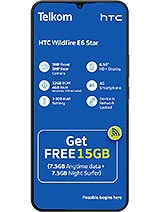
Wildfire E6 Star
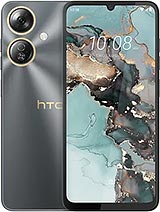
Wildfire E5 Plus
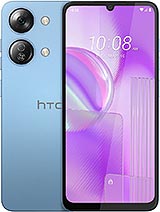
Wildfire E4 Plus
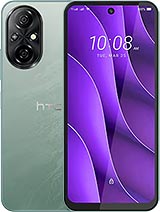
Wildfire E7 Plus
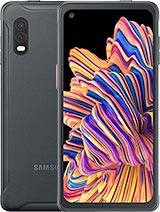
Galaxy XCover 7 Pro