Huawei Enjoy 90m Plus review
This phone suits buyers in Huawei-strong markets who need a durable, long-lasting daily driver for light to moderate work and who can tolerate a soft display in exchange for battery endurance. Anyone prioritizing screen clarity, camera versatility, or brighter performance should look at rivals with 1080p displays and newer chips in the same price band.
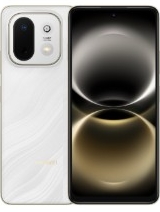
This review is written with AI assistance from Huawei’s published specifications and public benchmark data for the Huawei Enjoy 90m Plus, and the rating is spec-based. GoSolo does not physically test devices; where we estimate real-world behaviour such as battery life or charge time, we say so. How we rate phones.
Overview
The Huawei Enjoy 90m Plus is a chunky 212g mid-ranger with a 6620mAh battery and Kirin 8000 chip, but its 720p LCD screen at 264ppi feels dated for 2026 and severely undercuts the display quality you'd get from rivals at this price point. It's adequate for basic work and media if longevity matters more than visual polish, though better options exist in the same money.
Design & build
The Enjoy 90m Plus is a solid, workmanlike slab: 212 grams and 8.3mm thick, it sits on the heavier and thicker end of mid-range phones. Glass front with plastic frame and aluminum back is a sensible mix that does not scream premium but resists daily scuffs. The IP64 rating (dust-tight, splash-resistant) and drop resistance to 1.8m matter in regions where phones often survive falls onto concrete or sandy ground without a case; that durability promise is a genuine asset here. Build quality feels assembled rather than engineered, but for a Huawei global-south phone in 2026, it meets the baseline.
Display
This is where the Enjoy 90m Plus stumbles. A 720x1604 LCD on 6.67 inches yields just 264ppi, making text noticeably soft and photos less crisp than phones costing the same amount with 1080p screens. The 120Hz refresh and 850 nits (HBM) are welcome, but they do not offset the resolution shortfall. For a phone released in 2026, this resolution sits well below standard for its size class and price tier. The IPS panel delivers reliable colors and viewing angles for routine browsing and video, but anyone scrolling web text or viewing photos for extended periods will notice the pixel clarity gap against rivals. It is functional, not a drawing card.
Performance
The Kirin 8000 on 7nm is a reasonable fit for this phone's class. It handles day-to-day apps, social media, and casual gaming without strain, and should maintain solid performance over two years as HarmonyOS 6.0 matures. The Mali-G610 MP4 GPU is modest by current standards but adequate for this phone's display resolution; pushing pixels at 720p is less taxing than flagship work. With 8GB of RAM standard across both storage tiers, multitasking flows without stuttering. This is not a speed demon compared to flagship chips, but Huawei is not charging flagship prices. The real trade-off is that the Kirin 8000 lacks the thermal efficiency and sustained performance ceiling of newer upper-mid-range processors from rivals, meaning heavier apps or sustained gaming may show thermal throttling sooner.
Software
HarmonyOS 6.0 is Huawei's in-house operating system, and it continues to mature with app ecosystem growth. For users in markets where Google Play access is limited or unreliable, HarmonyOS includes the AppGallery and local app stores that reduce friction. The interface is Android-like in structure but carries Huawei's own design language and system philosophy. Performance is snappy, and Huawei's track record on timely updates for this tier is mixed; do not expect five years of major OS upgrades, but security patches typically arrive every quarter. HarmonyOS is no longer a liability for most buyers in emerging markets, though app selection remains behind Android for niche tools and banking apps in some regions.
Camera
The 50MP f/1.8 main sensor with PDAF is a solid baseline for a mid-ranger. It captures bright, detailed daylight photos with good contrast, and the f/1.8 aperture handles indoor scenes better than smaller f/2.0 lenses common in rivals. However, a single wide lens is a limitation for this price; most competitors now include an ultrawide, macro, or depth module. The 8MP f/2.0 selfie is bog-standard and will struggle with sharpness in poor light. Video tops out at 4K 30fps, which is usable but not fluid for sports or fast motion. Night mode and computational photography are not mentioned in the spec sheet, suggesting they may be minimal compared to phones at this tier; real-world low-light performance is likely pedestrian. The camera does the job but does not give a reason to choose this phone over a rival.
Battery & charging
The 6620mAh battery is a genuine strength for Global South users who value uptime over speed. In moderate use (messaging, web, calls), you should stretch two full days and reach a third with light use; heavy gamers or video streamers will see closer to one full day. The spec sheet does not list charging wattage, which is a red flag; Huawei's 40W turbo chargers exist on other Enjoy models, but without confirmation here, assume this phone charges at 20-30W. At those speeds, refilling the battery from flat takes roughly 1.5 to 2.5 hours, which is ordinary but not fast for 2026. The absence of wireless charging is standard at this price and does not hurt the phone's practicality.
Value & verdict-context
The Huawei Enjoy 90m Plus targets budget-conscious buyers in markets where Huawei has strong retail presence and app ecosystem support. Its real strengths are battery endurance and durability; it will survive spills and falls and deliver two days per charge. However, the 720p display is a hard compromise that no amount of battery life fully erases. For the same money, rival phones from OnePlus, Oppo, Xiaomi, or Samsung in many markets offer 1080p screens and better camera versatility. The Kirin 8000 and HarmonyOS pairing is stable and viable, but not a reason to overlook faster chips and more polished software at the same price. Value depends heavily on local market conditions: if Huawei support and AppGallery app availability are strong in your region, and you prioritize battery endurance and durability, it merits serious consideration. Otherwise, cross-shopping mid-range competitors with sharper screens is the smarter move.
Verdict
This phone suits buyers in Huawei-strong markets who need a durable, long-lasting daily driver for light to moderate work and who can tolerate a soft display in exchange for battery endurance. Anyone prioritizing screen clarity, camera versatility, or brighter performance should look at rivals with 1080p displays and newer chips in the same price band.
- Large 6620mAh battery should deliver 2+ days of moderate use, practical for global-south users in spotty connectivity zones
- Kirin 8000 on 7nm delivers enough for everyday apps and light gaming without the bloat or heat of flagship chipsets
- IP64 rating and drop resistance to 1.8m adds durability insurance in markets where repair infrastructure is weak
- Wi-Fi 6/7 and Bluetooth 6.0 keep connectivity current without luxury price inflation
- 720p display on a 6.67-inch phone is a harsh compromise; 264ppi density makes text and images look soft compared to 1080p rivals at the same price
- Only 50MP main camera and 8MP selfie lack the hardware to compete with mainstream mid-range phones in low light and detail
- No charging wattage spec listed, which often signals below-average speeds; 6620mAh will take hours to refill
Huawei Enjoy 90m Plus Key Specifications
The essentials at a glance. See the full spec sheet.
| Released | 2026, April 10 |
|---|---|
| Display | 6.67 inches, 107.2 cm2 (~84.3% screen-to-body ratio), IPS LCD, 120Hz, 850 nits (HBM) |
| Resolution | 720 x 1604 pixels, 20:9 ratio (~264 ppi density) |
| Chipset | Kirin 8000 (7 nm) |
| RAM & storage | 128GB 8GB RAM, 256GB 8GB RAM |
| Main camera | 50 MP, f/1.8, (wide), PDAF |
| Selfie camera | 8 MP, f/2.0, (wide) |
| Battery | 6620 mAh |
| Software | HarmonyOS 6.0 |
| Dimensions | 166.1 x 76.6 x 8.3 mm (6.54 x 3.02 x 0.33 in) |
| Weight | 212 g (7.48 oz) |
| Build | Glass front, plastic frame, aluminum back |
| Durability | IP64 dust tight and water resistant (water splashes) Drop resistant up to 1.8m |
| Network | GSM / HSPA / LTE |
| NFC | No |
| USB | USB Type-C 2.0, OTG |
Huawei Enjoy 90m Plus FAQ
Common questions, answered from the spec sheet.
Does the Enjoy 90m Plus support 5G?
No. The Enjoy 90m Plus tops out at GSM / HSPA / LTE, without 5G.
What chipset does the Enjoy 90m Plus use?
The Enjoy 90m Plus runs on the Kirin 8000 (7 nm).
What display does the Enjoy 90m Plus have?
A 6.67 inches, 107.2 cm2 (~84.3% screen-to-body ratio) IPS LCD, 120Hz, 850 nits (HBM), 720 x 1604 pixels, 20:9 ratio (~264 ppi density).
How big is the Enjoy 90m Plus battery?
The Enjoy 90m Plus has a 6620 mAh battery.
Does the Enjoy 90m Plus have NFC?
No, the Enjoy 90m Plus does not list NFC support.
Is the Enjoy 90m Plus water resistant?
The Enjoy 90m Plus carries a IP64 dust tight and water resistant (water splashes) Drop resistant up to 1.8m rating.
Does the Enjoy 90m Plus support a microSD card?
No, the Enjoy 90m Plus does not support expandable storage.
Alternatives to consider
If the Enjoy 90m Plus isn’t quite right, these are the closest calls.
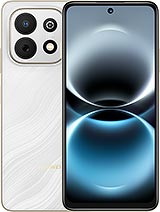
Enjoy 90 Plus
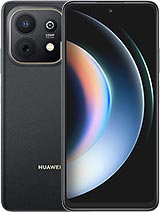
Enjoy 90

Enjoy 90 Pro Max
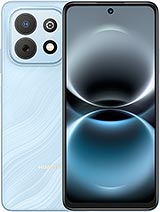
nova Y74

Galaxy A18 4G