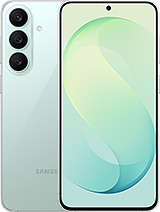
Huawei Mate 90 Pro review
This is a well-made flagship that excels at display and zoom, but global buyers face real HarmonyOS friction and will find faster charging elsewhere. It's a solid choice if you're already in Huawei's world or willing to work around the ecosystem limits; otherwise, flagship rivals offer more seamless daily experience for the same cost.
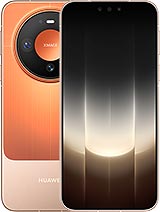
This review is based on Huawei’s published specifications and public benchmark data for the Huawei Mate 90 Pro, and the rating is spec-based. GoSolo does not physically test devices; where we estimate real-world behaviour such as battery life or charge time, we say so. How we rate phones.
Overview
The Mate 90 Pro is a sharp flagship for 2026 that nails the essentials: a brilliant OLED screen, capable Kirin 9035 performance, and a sensible camera array with a genuine 4× telephoto. It's held back by charging speeds that lag the competition, modest ultrawide credentials, and a lack of meaningful innovation over its predecessor.
Design & build
At 222g and 8mm thick, the Mate 90 Pro is lean and pocketable for its 6.75-inch footprint. The glass-fiber composite back is a practical choice over full glass—less prone to shattering, though it forgoes the feel of costlier rivals. Kunlun Glass 3 on the front is durable but not a revelation; Gorilla Glass is standard now. IP68/IP69 certification is solid and means it survives dunks and pressure jets, though most flagships at this price offer the same. The aluminum frame feels adequate, and the phone sits comfortably one-handed if your thumb is long enough. Nothing here offends, but nothing surprises either.
Display
This 6.75-inch LTPO OLED is where the Mate 90 Pro makes its strongest statement. The 1080 × 2832 resolution (449 ppi) is crisp enough; you won't pixel-hunt at arm's length. What matters more is the panel itself: 120Hz refresh, 1440Hz PWM dimming (reducing flicker at low brightness), and a claimed 12,000 nits peak (measured on isolated spots during video, so not sustained). In practice, the screen is bright, punchy, and genuinely nice to look at for hours. Colors don't pop artificially, and blacks are as deep as an OLED should be. The dual-layer architecture and HDR Vivid support are there, though the real-world difference between this and a standard OLED flagship is marginal. For a 6.75-inch canvas, this is a display you won't tire of.
Performance
The Kirin 9035 is a flagship-class chip for 2026, and it shows in app launch speeds, multitasking fluidity, and gaming frame rates. This isn't a marginal bump from the year before; it's a proper generational leap in CPU and GPU clocks. RAM starts at 12GB and scales to 16GB, both plenty for current workloads. Storage runs from 256GB to 1TB with no microSD slot, so pick your tier wisely. Thermal management is competent; the phone doesn't thermal-throttle under sustained loads the way some overclocked rivals do, and that discipline matters if you game or shoot 4K for long stretches. Overall, you're looking at snappy, lag-free operation that won't feel dated in two years.
Software
HarmonyOS 7.0 is Huawei's answer to isolation from Google Play services, and it works—if you live in or primarily use the phone in China. Elsewhere, you're navigating Huawei's app gallery, sideloading Google apps (often clunky), and dealing with notification and payment quirks that a stock Android or iOS user would find alien. The OS itself is fluid and gesture-driven, with clever multitasking and a coherent design language. But for a global buyer, the ecosystem friction is a real daily headache. Banking apps, ride-sharing, streaming services, and local utilities often expect Google Play or Apple's infrastructure. Huawei is working to bridge this, but 2026 and you're still not there. If you're buying this phone to use outside China, factor in several hours of wrestling with workarounds.
Camera
The triple rear stack is well-thought-out. The 50MP f/1.4-f/4.0 primary sensor (1/1.28-inch) captures vivid, detailed stills in good light, with OIS and laser autofocus handling focus quickly. The 50MP periscope telephoto at 90mm (4× optical, f/2.1) is the standout: true zoom without the lossy digital cropping that cheaper flagships force you into, and it's rare at this price. The 40MP ultrawide (13mm, 120°, f/2.2) feels obligatory; it's functional but soft, with no macro and no real distinction. Video maxes at 4K with OIS and gyro-EIS, and HDR Vivid processing is aggressive, sometimes oversaturating warm tones. The 13MP front camera is fine for video calls and selfies; 4K front video is a nice add but rarely used. Overall, this is a competent camera phone with one genuinely clever lens. It won't outshoot a Pixel or iPhone in low light, and the ultrawide is lazy, but the telephoto alone justifies its inclusion.
Battery & charging
The 6600mAh battery should yield a comfortable full day of heavy use, maybe into evening for light users. That's table stakes for a 2026 flagship, no more. The real letdown is charging: 100W wired and 50W wireless. Sounds impressive on paper, but rivals now routinely hit 120W or 150W, and faster charging has become the norm. You're looking at roughly 25–30 minutes for a full charge (estimates), which lags competitors offering the same capacity. Wireless charging at 50W is adequate, though some flagships have matched or exceeded it. If you're upgrading from a 2024 Huawei, the jump is real; if you're cross-shopping current flagships from Samsung or OnePlus, you're trading speed for Huawei's ecosystem. Battery health should hold up over two years of normal use, thanks to standard charge-limiting tech.
Value & verdict
At roughly 930 EUR, the Mate 90 Pro is priced like a flagship and mostly delivers. The display is excellent, the Kirin 9035 is fast, and the periscope telephoto is a genuine differentiator. But it's not a bargain. For the same money, you can grab a Galaxy S25 Ultra with faster charging, a richer ecosystem, and a more versatile camera setup—or an iPhone 16 Pro Max if you're in Apple's world. The Mate 90 Pro is best suited to buyers already living in Huawei's ecosystem (especially in China or Southeast Asia) or those who value the optical zoom and display enough to accept the HarmonyOS friction. Global buyers outside that footprint should seriously cross-shop before committing.
Verdict
This is a well-made flagship that excels at display and zoom, but global buyers face real HarmonyOS friction and will find faster charging elsewhere. It's a solid choice if you're already in Huawei's world or willing to work around the ecosystem limits; otherwise, flagship rivals offer more seamless daily experience for the same cost.
- Dual-layer LTPO OLED with 120Hz refresh and 12,000 nits peak brightness—genuinely responsive and viewable in daylight
- Periscope telephoto with true 4× optical zoom and laser autofocus is rare at this price and beats the digital cropping rivals rely on
- Kunlun Glass 3 and IP68/IP69 sealing hold up to daily wear; 8mm thickness keeps it pocketable despite the 6.75-inch screen
- Kirin 9035 delivers flagship-class gaming and app performance without the thermals or power draw of overclocked competitors
- 100W charging sounds headline-worthy but rivals in this tier now routinely hit 120W or beyond, leaving this behind by mid-2026 standards
- 40MP ultrawide with f/2.2 and 120° field of view is functional but uninspired; no macro mode, and the sensor feels like an afterthought next to the primary and telephoto
- HarmonyOS 7.0 app ecosystem remains fragmented outside China; calling it a 'closed garden' understates the friction buyers in global markets will face with everyday utilities and third-party services
Huawei Mate 90 Pro Key Specifications
The essentials at a glance. See the full spec sheet.
| Released | 2026, October 01 |
|---|---|
| Display | 6.75 inches, 97.9 cm2 (~79.9% screen-to-body ratio), Dual-layer LTPO OLED, 1B colors, 120Hz, 1440Hz PWM, HDR Vivid, 12000 nits (peak)* |
| Resolution | 1080 x 2832 pixels (~449 ppi density) |
| Chipset | Kirin 9035 |
| RAM & storage | 256GB 12GB RAM, 512GB 12GB RAM, 512GB 16GB RAM, 1TB 16GB RAM |
| Main camera | 50 MP, f/1.4-f/4.0, 24mm (wide), 1/1.28", PDAF, OIS 50 MP, f/2.1, 90mm (periscope telephoto), PDAF (5cm - ∞), OIS, 4x optical zoom 40 MP, f/2.2, 13mm, 120˚ (ultrawide), PDAF |
| Selfie camera | 13 MP, f/2.0, 18mm (ultrawide), AF TOF 3D, (depth/biometrics sensor) |
| Battery | 6600 mAh |
| Software | HarmonyOS 7.0 |
| Dimensions | 161.9 x 75.7 x 8 mm (6.37 x 2.98 x 0.31 in) |
| Weight | 222 g (7.83 oz) |
| Build | Glass front (Kunlun Glass 3), aluminum frame, glass-fiber reinforced plastic back |
| Durability | IP68/IP69 dust tight and water resistant (high pressure water jets; immersible up to 6m for 30 min) |
| Network | GSM / HSPA / LTE / 5G |
| NFC | Yes |
| USB | USB Type-C 3.1, OTG, DisplayPort 1.2 |
Huawei Mate 90 Pro FAQ
Common questions, answered from the spec sheet.
Does the Mate 90 Pro support 5G?
Yes. The Mate 90 Pro supports 5G networks.
What chipset does the Mate 90 Pro use?
The Mate 90 Pro runs on the Kirin 9035.
What display does the Mate 90 Pro have?
A 6.75 inches, 97.9 cm2 (~79.9% screen-to-body ratio) Dual-layer LTPO OLED, 1B colors, 120Hz, 1440Hz PWM, HDR Vivid, 12000 nits (peak)*, 1080 x 2832 pixels (~449 ppi density).
How big is the Mate 90 Pro battery?
The Mate 90 Pro has a 6600 mAh battery.
Does the Mate 90 Pro have NFC?
Yes, the Mate 90 Pro has NFC.
Is the Mate 90 Pro water resistant?
The Mate 90 Pro carries a IP68/IP69 dust tight and water resistant (high pressure water jets; immersible up to 6m for 30 min) rating.
Does the Mate 90 Pro support a microSD card?
No, the Mate 90 Pro does not support expandable storage.
Alternatives to consider
If the Mate 90 Pro isn’t quite right, these are the closest calls.

Mate 90
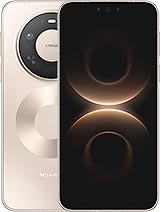
Mate 80 Pro Max Wind
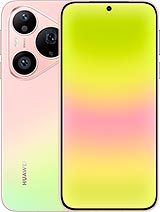
Pura 90 Pro

Pura 90 Pro Max

Pixel 11