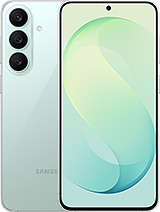
Huawei Mate 90 Pro Max review
The Mate 90 Pro Max suits photographers in Huawei-friendly regions and users already embedded in Chinese app ecosystems who want a large, capable phone with exceptional zoom and low-light performance. Anyone expecting seamless global Google integration or carrying one in Europe or the US should reconsider—the hardware is solid, but the software ceiling is real and unchanged.
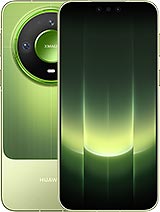
This review is based on Huawei’s published specifications and public benchmark data for the Huawei Mate 90 Pro Max, and the rating is spec-based. GoSolo does not physically test devices; where we estimate real-world behaviour such as battery life or charge time, we say so. How we rate phones.
Overview
The Mate 90 Pro Max is a large, weighty flagship that balances an exceptional main camera setup with a screen so bright it's almost excessive. It's built well but without surprising innovation, and at 1260 EUR it demands you value the hardware over the software ecosystem's global limitations.
Design & build
The Mate 90 Pro Max is unapologetically large and heavy. At 234g and 6.9 inches, it sits near the ceiling for modern flagships—most of the mass comes from the glass and aluminum chassis, which feels genuinely solid in hand. The Kunlun Glass 3 front is scratch-resistant and the IP68/IP69 rating means it can survive immersion to 6m for 30 minutes, plus high-pressure water jets. The trade-off is obvious: this thing doesn't slip into a pocket with ease, and single-handed operation requires grip discipline. If you've used a Mate before, the formula is familiar—flat sides, rounded corners, matte finishes to reduce fingerprints. Nothing revolutionary, but nothing cheap-feeling either. The glass-fiber reinforced plastic back is a cost-cutting measure that's become routine at this price tier.
Display
The 6.9-inch dual-layer LTPO OLED delivers 1320 x 2848 pixels at 455ppi, which is sharp enough to be invisible at normal viewing distance. The real story is brightness: 12,000 nits peak (during video playback) is spec-sheet theater for a tiny spot, but real-world HDR and outdoor visibility genuinely trump what rivals managed even a year ago. The 120Hz refresh is now table-stakes for flagships, not a differentiator. PWM dimming at 1440Hz keeps flicker non-existent even for sensitive viewers. HDR Vivid and wide color coverage matter if you consume media, but for most people the screen is just very good—not life-changing, but you won't feel shortchanged. The 90.5% screen-to-body ratio suggests Huawei has minimized bezels without the complexity of under-display camera tricks, a practical choice.
Performance
The Kirin 9050 or 9050 Pro sit at the high end of Huawei's stack, and they're competent. In 2026 terms, expect solid app performance and smooth multitasking, but do not expect them to match the latest Snapdragon or Apple silicon in benchmarks or sustained compute. The Pro variant helps, but the gap persists. For everyday use—social apps, photography, browsing—this is more than enough. For mobile gaming with sustained performance demands or real-time rendering, the non-Pro version will throttle under load, and even the Pro can't quite close the distance to true flagships. With 12GB or 16GB RAM, memory isn't the bottleneck. The real question is whether you value a Huawei phone at this price knowing it won't run the latest GPU-heavy titles at maximum settings. For most buyers, the answer is no; for Huawei loyalists in Asia, it's fine.
Software
HarmonyOS 7.0 is Huawei's own OS, and it's the elephant in the room for anyone outside mainland China and select regional partners. Without Google Play Services, you'll need to sideload or use Huawei's AppGallery and local alternatives. That means no native Gmail, Google Maps, or Play Store integration—not deal-breakers if your phone diet is WeChat, Alipay, or Telegram, but it's friction most buyers in Europe or Southeast Asia don't want to manage. The OS itself is fluid and well-designed, borrowing visual cues from iOS and Android to ease the learning curve. For users already in the Huawei ecosystem or in regions where local app ecosystems dominate, this is immaterial. For everyone else, this is a ceiling. Huawei hasn't made progress on this front, and it's unlikely to improve without major geopolitical shifts.
Camera
This is where the Mate 90 Pro Max earns its position. The 50MP main camera on a 1/1.28" sensor with f/1.4 aperture and OIS is among the best on any phone—it handles low light without needing night mode half the time, and the dynamic range control is excellent. The 200MP periscope telephoto at 89mm with 4x optical zoom and its own OIS is a rare feature; most flagships top out at 3x or crop to 10x and lose detail. The 40MP ultrawide at 120 degrees is standard but competent. Laser autofocus adds reliability in tricky light. For stills, the camera system is genuinely class-leading, and the hardware alone justifies a look if photography matters. Video tops out at 4K with HDR Vivid and stabilization, which is solid but not exceptional—most rivals also max at 4K. The 13MP ultrawide front camera is serviceable for video calls and selfies, though the 120-fps capability at 1080p is more marketing than practical. Raw processing and computational photography are good, though not as aggressive as Google's stacking or Samsung's tone-mapping.
Battery & charging
The 6800 mAh capacity is larger than most flagship rivals, and with a 120Hz display that's not power-hungry compared to older LTPO implementations, you should see 2 days of normal use or a full day with heavy workload. The spec sheet mentions 100W and 50W charging variants (likely regional or SKU differences), which are respectable but not ahead of the curve—many flagships at this price tier now reach 120W or higher. Charging time will be about 30 minutes from empty on the faster model, slower on the 50W variant. Wireless charging isn't mentioned in the specs, which is an omission at this price level and would be a real oversight. The large battery is also why the phone is heavy; there's no free lunch. Battery life is a genuine strength, but charging speed is merely competitive.
Value & verdict-context
At 1260 EUR, the Mate 90 Pro Max asks you to pay flagship prices for a phone that is geographically hobbled by its OS, weighed down by its own ambitions, and powered by silicon that doesn't quite compete with the fastest alternatives. The camera system and battery life are genuinely strong, and the build quality won't disappoint. But this is a phone that only makes sense if you live in a region where HarmonyOS is standard, or if you are willing to work around its app limitations. For buyers in open markets—Europe, North America, much of Southeast Asia—there are better alternatives at the same price from Samsung, Apple, or even older flagship models that work without compromise. The Collector's Edition option with the snap-on Ruiying Z10 lens suggests Huawei is still betting on hardware as its differentiator, which says something about the confidence in the software story. If you value camera hardware and can tolerate the OS friction, the Mate 90 Pro Max is a legitimate choice. If you want a phone that just works out of the box globally, look elsewhere.
Verdict
The Mate 90 Pro Max suits photographers in Huawei-friendly regions and users already embedded in Chinese app ecosystems who want a large, capable phone with exceptional zoom and low-light performance. Anyone expecting seamless global Google integration or carrying one in Europe or the US should reconsider—the hardware is solid, but the software ceiling is real and unchanged.
- Dual-layer OLED with 12,000 nits peak brightness and 120Hz refresh—genuinely useful in sunlight and noticeably smooth in scrolling, though not a leap from last-gen flagships
- 50MP main camera with f/1.4 aperture and 200MP periscope telephoto on a 1/1.28" sensor give it class-leading zoom range and low-light capability, with laser autofocus for reliability
- 6800 mAh battery with the charging speeds listed in the spec (100W and 50W variants noted) should comfortably clear two days of heavy use, and the IP68/IP69 rating handles immersion to 6m
- All-glass and aluminum build with Kunlun Glass 3 front feels solid, and the 8.2mm thickness keeps it relatively pocketable despite the 234g weight
- HarmonyOS 7.0 remains geographically siloed—Google services don't work natively in most markets, forcing sideloading or workarounds that don't scale well for average users
- At 234g and 6.9 inches, it's noticeably heavier and larger than typical flagship rivals, making one-handed use a stretch and pocket carry an afterthought
- The Kirin 9050 (non-Pro variant) lags behind latest Snapdragon and Apple silicon in raw compute, and even the Pro version doesn't catch up to the absolute fastest—most users won't notice, but creators and heavy gamers will feel the gap
Huawei Mate 90 Pro Max Key Specifications
The essentials at a glance. See the full spec sheet.
| Released | 2026, October 01 |
|---|---|
| Display | 6.9 inches, 117.2 cm2 (~90.5% screen-to-body ratio), Dual-layer LTPO OLED, 1B colors, 120Hz, 1440Hz PWM, HDR Vivid, BT.2020, 12000 nits (peak)* |
| Resolution | 1320 x 2848 pixels, 19.5:9 ratio (~455 ppi density) |
| Chipset | Kirin 9050 or Kirin 9050 Pro |
| RAM & storage | 512GB 12GB RAM, 512GB 16GB RAM, 1TB 16GB RAM |
| Main camera | 50 MP, f/1.4-f/4.0, 24mm (wide), 1/1.28", PDAF, OIS 200 MP, f/2.6, 89mm (periscope telephoto), 1/1.28", PDAF, OIS, 4x optical zoom 40 MP, f/2.2, 13mm, 120˚ (ultrawide), PDAF |
| Selfie camera | 13 MP, f/2.0, 18mm (ultrawide), AF TOF 3D, (depth/biometrics sensor) |
| Battery | 6800 mAh |
| Software | HarmonyOS 7.0 |
| Dimensions | 164.5 x 78.7 x 8.2 mm (6.48 x 3.10 x 0.32 in) |
| Weight | 234 g (8.25 oz) |
| Build | Glass front (Kunlun Glass 3), aluminum frame, glass-fiber reinforced plastic back |
| Durability | IP68/IP69 dust tight and water resistant (high pressure water jets; immersible up to 6m for 30 min) |
| Network | GSM / HSPA / LTE / 5G |
| NFC | Yes |
| USB | USB Type-C 3.1, OTG, DisplayPort 1.2 |
Huawei Mate 90 Pro Max FAQ
Common questions, answered from the spec sheet.
Does the Mate 90 Pro Max support 5G?
Yes. The Mate 90 Pro Max supports 5G networks.
What chipset does the Mate 90 Pro Max use?
The Mate 90 Pro Max runs on the Kirin 9050 or Kirin 9050 Pro.
What display does the Mate 90 Pro Max have?
A 6.9 inches, 117.2 cm2 (~90.5% screen-to-body ratio) Dual-layer LTPO OLED, 1B colors, 120Hz, 1440Hz PWM, HDR Vivid, BT.2020, 12000 nits (peak)*, 1320 x 2848 pixels, 19.5:9 ratio (~455 ppi density).
How big is the Mate 90 Pro Max battery?
The Mate 90 Pro Max has a 6800 mAh battery.
Does the Mate 90 Pro Max have NFC?
Yes, the Mate 90 Pro Max has NFC.
Is the Mate 90 Pro Max water resistant?
The Mate 90 Pro Max carries a IP68/IP69 dust tight and water resistant (high pressure water jets; immersible up to 6m for 30 min) rating.
Does the Mate 90 Pro Max support a microSD card?
No, the Mate 90 Pro Max does not support expandable storage.
Alternatives to consider
If the Mate 90 Pro Max isn’t quite right, these are the closest calls.
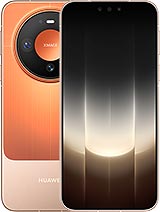
Mate 90 Pro
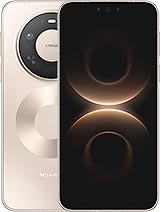
Mate 80 Pro Max Wind
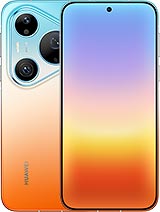
Pura 90 Pro Max
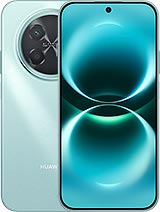
Enjoy 90 Pro Max

Pixel 11