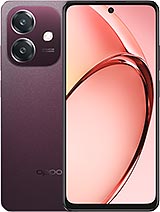
Huawei nova 10 Youth review
This phone suits light users in regions where HarmonyOS is supported—those who browse, message, take casual photos, and charge quickly between activities. Anyone who games seriously, needs all-day battery life, relies on Google services, or expects more than entry-level performance should choose an Android alternative at the same price.

This review is based on Huawei’s published specifications and public benchmark data for the Huawei nova 10 Youth, and the rating is spec-based. GoSolo does not physically test devices; where we estimate real-world behaviour such as battery life or charge time, we say so. How we rate phones.
Overview
The nova 10 Youth pairs a large, smooth 6.78-inch display with a 108MP camera and snappy 66W charging, but its entry-level Snapdragon 680G and 4000mAh battery mean it's built for light users, not all-day heavy work or gaming.
Design & build
The nova 10 Youth is slim and light—7.9mm thick and 191 grams—which matters on a phone with a 6.78-inch screen that could easily feel unwieldy. The form is straightforward: curved sides, flat back, side-mounted fingerprint sensor. Splash and dust resistance is included, though the IP rating is not specified, so expect protection against light splashes and pocket dust, not full submersion. The phone sits comfortably in one hand and fits jacket pockets, a small win for a device this large. Build materials are not detailed, so assume plastic frame and back—fine at this price, though it trades the premium feel of metal or glass for durability and lighter weight.
Display
The 6.78-inch IPS LCD with 90Hz refresh and 1080×2388 resolution (387 ppi) is the standout feature. The pixel density keeps text and icons sharp at arm's length, and the 90Hz refresh smooths scrolling through social feeds and web pages noticeably. The screen-to-body ratio of 89.5% suggests minimal bezels, so the display dominates the front. No brightness figures are published, so sunlight performance is unclear—a potential weakness for outdoor use, but typical for phones at this price to omit. For indoor use and casual viewing, the 6.78-inch canvas is generous and pleasant.
Performance
The Snapdragon 680G is a mainstream entry-level chip for 2023. It handles light apps, messaging, browsing, and social media without stutter. Demanding games—especially at high framerates—will stutter or force you to dial down detail. Video playback maxes out at 1080p, so streaming Netflix or YouTube is smooth. Multitasking within reason is fine; opening a dozen background apps and jumping between them will slow things down. The GPU, Adreno 610, is adequate for light workloads but lags far behind what rivals with more capable chips offer. If your day is texts, calls, emails, and social media, the 680G is enough. If you play PUBG or expect buttery gaming, look elsewhere.
Camera
The 108MP main camera with PDAF captures sharp, detailed shots in good light. In practice, the high pixel count lets you crop or zoom without losing too much definition—useful for framing distant subjects without stepping back. The 8MP ultrawide extends the field of view for landscapes and group photos. The 2MP macro lens is a gimmick; macro results are soft and unimpressive compared to the main sensor zoomed in. Selfies from the 16MP front camera are adequate for video calls and social posts. Video tops out at 1080p@30fps, which is basic but acceptable. Low-light performance is not mentioned, so assume standard smartphone results—acceptable but not exceptional. For social media and casual photography, this setup delivers; for serious photo work, the lack of optical zoom and limited video capability are shortcomings.
Battery & charging
The 4000mAh battery is mid-range, covering roughly a full day of light mixed use—texts, browsing, some video watching. Power users who stream, game, or use the camera heavily will need a charge by evening. The standout is 66W wired charging, which fills the battery to 60% in 15 minutes and to 100% in about 35 minutes total. This is genuinely quick and practical for grabbing a boost between activities. There is no wireless charging, which is standard to omit at this price. Reverse wired charging (5W) is listed but marginal for powering other devices.
Software
HarmonyOS 2.0 is Huawei's proprietary OS, not Android. For users in regions with full access to Huawei's app ecosystem, it works fine—smooth, responsive, and familiar if you have used HarmonyOS before. Outside China, it is a problem: Google Play Services is unavailable, and sideloading apps is clunky and risky. Popular apps like Gmail, Google Maps, YouTube, and many banking or payment apps are either missing or degraded. If you rely on Google's ecosystem or Western apps, this phone is a poor fit. Within Huawei's supported markets, HarmonyOS 2.0 is adequate and reasonably fast.
Value & verdict
At roughly 230 EUR, the nova 10 Youth sits in the budget-to-midrange bracket. For the price, the large display, fast charging, and 108MP camera are solid. The entry-level chipset and modest battery are honest trade-offs at this cost. The real question is HarmonyOS: if you are in a market where Huawei's ecosystem is functional, the hardware offers decent value. If you depend on Google services or apps outside Huawei's reach, avoid it entirely. Regional availability and app ecosystem health matter far more than the specs here.
Verdict
This phone suits light users in regions where HarmonyOS is supported—those who browse, message, take casual photos, and charge quickly between activities. Anyone who games seriously, needs all-day battery life, relies on Google services, or expects more than entry-level performance should choose an Android alternative at the same price.
- 66W charging fills the battery to 60% in 15 minutes, so you can grab a meaningful boost between tasks without needing a wall outlet all day
- 108MP main camera with PDAF captures sharp detail in daylight and crops well for digital zoom without stepping back
- 6.78-inch display with 90Hz refresh feels spacious and scrolling is smooth; 387ppi keeps text crisp at normal viewing distance
- Thin and light at 7.9mm and 191g, comfortable to hold for extended periods despite the large screen
- Snapdragon 680G is entry-level for 2023: social media and messaging run fine, but demanding games stutter or demand low detail settings
- 4000mAh battery drains noticeably by evening under typical mixed use, so power users need a midday top-up or risk running dry
- HarmonyOS 2.0 and Huawei's app ecosystem are a barrier in many regions outside China; Google Play and many familiar apps are unavailable or sideloaded
Huawei nova 10 Youth Key Specifications
The essentials at a glance. See the full spec sheet.
| Released | 2023, March 04 |
|---|---|
| Display | 6.78 inches, 111.4 cm2 (~89.5% screen-to-body ratio), IPS LCD, 90Hz |
| Resolution | 1080 x 2388 pixels (~387 ppi density) |
| Chipset | Qualcomm Snapdragon 680G 4G (6 nm) |
| RAM & storage | 128GB 8GB RAM, 256GB 8GB RAM |
| Main camera | 108 MP, (wide), PDAF 8 MP, (ultrawide) 2 MP (macro) Auxiliary lens |
| Selfie camera | 16 MP, f/2.2, (wide) |
| Battery | 4000 mAh |
| Charging | 66W wired, 60% in 15 min, 100% in 35 min5W reverse wired |
| Software | HarmonyOS 2.0 |
| Dimensions | 164.6 x 75.6 x 7.9 mm (6.48 x 2.98 x 0.31 in) |
| Weight | 191 g (6.74 oz) |
| Durability | Splash and dust resistant |
| Network | GSM / CDMA / HSPA / CDMA2000 / LTE |
| NFC | No |
| USB | USB Type-C 2.0, OTG |
Huawei nova 10 Youth FAQ
Common questions, answered from the spec sheet.
Does the nova 10 Youth support 5G?
No. The nova 10 Youth tops out at GSM / CDMA / HSPA / CDMA2000 / LTE, without 5G.
What chipset does the nova 10 Youth use?
The nova 10 Youth runs on the Qualcomm Snapdragon 680G 4G (6 nm).
What display does the nova 10 Youth have?
A 6.78 inches, 111.4 cm2 (~89.5% screen-to-body ratio) IPS LCD, 90Hz, 1080 x 2388 pixels (~387 ppi density).
How big is the nova 10 Youth battery?
The nova 10 Youth has a 4000 mAh battery. Charging is rated at 66W wired, 60% in 15 min, 100% in 35 min5W reverse wired.
Does the nova 10 Youth have NFC?
No, the nova 10 Youth does not list NFC support.
Is the nova 10 Youth water resistant?
The nova 10 Youth carries a Splash and dust resistant rating.
Does the nova 10 Youth support a microSD card?
No, the nova 10 Youth does not support expandable storage.
Does the nova 10 Youth have a headphone jack?
No, the nova 10 Youth does not have a 3.5mm headphone jack.
Alternatives to consider
If the nova 10 Youth isn’t quite right, these are the closest calls.

Nova 10 Youth Edition

nova 11i
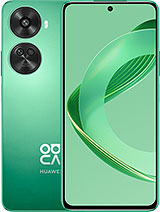
nova 11 SE

nova Y91
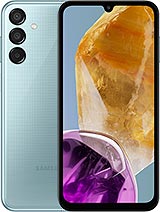
Galaxy M15 5G