Huawei nova 16 review
The nova 16 suits people who commute daily and hate charging phones, or who are comfortable with HarmonyOS and value a thin, light device over maximum screen sharpness. It's less ideal for those tied to Google services or who expect flagship polish on the frame for this price.
This review is written with AI assistance from Huawei’s published specifications and public benchmark data for the Huawei nova 16, and the rating is spec-based. GoSolo does not physically test devices; where we estimate real-world behaviour such as battery life or charge time, we say so. How we rate phones.
Overview
The nova 16 is a slim, capable mid-ranger with a 7000mAh battery and solid 50MP cameras, but the 1280×2800 display feels stretched for a 6.68-inch screen and the plastic frame undermines the glass-and-aluminium sandwich. For 380 EUR, it's a practical choice if you value stamina and a thin profile over pixel density or charging speed.
Design & Build
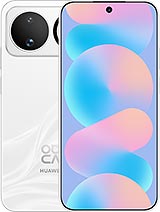
The nova 16 nails the weight-to-screen ratio. At 199g and 7.3mm thick, it sits comfortably in hand and pocket without the heft many 6.68-inch phones carry. Glass front, aluminum back, and an IP65 rating promise durability that justifies the slim form factor. Where Huawei cuts corners is the plastic frame: it's tactilely a step down from the glass-and-metal it flanks, and over time may feel less reassuring than rivals' frameworks. For markets that value pocket-friendliness over feeling premium, this trade-off lands reasonably. For those handling hundreds of devices a year, the frame material does read as a compromise.
Display
The 6.68-inch OLED panel delivers vibrant color and the 120Hz refresh helps scrolling feel fluid, but the 1280×2800 resolution at 461ppi is the weak link. Text is discernibly softer than competing phones at similar prices that have climbed to 1440p or higher. Huawei is leaning on the tall 19.5:9 ratio to offset the pixel shortage—effective for app layouts but not for sharpness. The 2160Hz PWM and HDR Vivid color grading are solid technical choices; the panel itself is capable. The resolution ceiling, though, is a real step down from what shoppers in mid-range tiers now expect.
Performance
The Kirin 9010S is a near-flagship chip, capable of handling gaming, heavy multitasking, and demanding apps without strain. It lands closer to the top of its generation than the bottom, which means day-to-day performance will feel snappy. HarmonyOS 6.1 runs lean, and the 12GB RAM across both storage tiers ensures apps stay in memory. Real-world performance is competitive: expect no stutters or bottlenecks in typical use. This isn't a budget chipset pretending to be fast; it's genuinely strong for its class and year.
Software
HarmonyOS 6.1 is Huawei's answer to Android, refined after years of iteration. The interface is clean and responsive, with a focus on app ecosystem and device integration. For users already in Huawei's orbit (tablet, smartwatch, laptop), the continuity is a genuine draw. For newcomers, the app store is the sticking point: Google Play Services are absent, and key Google apps require sideloading or workarounds. In markets where Huawei phones are native (China, parts of Asia, Europe), this matters less; in regions where Google is the default, it's a dealbreaker. The OS itself is polished; the ecosystem gap is the issue.
Camera
The dual rear setup is thoughtfully composed. The 50MP f/1.9 wide lens with Dual Pixel PDAF is versatile enough for low-light work, and the 88mm periscope telephoto with 3.7× optical zoom and OIS lifts the zoom game beyond typical mid-range offerings. A color spectrum sensor rounds out the kit—useful for accurate white balance in tricky light. Video at 4K with HDR Vivid and gyro-EIS is solid. The 50MP ultrawide front camera is overkill for selfies but handles group shots and landscape video without complaint. Real weakness: the lack of a macro lens or ultra-wide rear option limits creative range. For everyday and travel shooting, it delivers; for specialized needs, it falls short.
Battery & Charging
The 7000mAh battery is the standout here. Expect 1.5 to 2 days of mixed use depending on screen-on time and load. The 100W charging fills the tank in under an hour, which is standard-to-good for this year, though not exceptional now that faster chargers are creeping into the mid-range. What matters is the net result: long endurance without carrying a portable battery. The trade-off is thickness—the 7.3mm thinness is impressive given the battery capacity, suggesting Huawei prioritized pocket-friendliness over charging speed as the winning spec.
Value & Verdict
At 380 EUR, the nova 16 targets buyers who want a slim phone with serious battery life and don't live in Google's ecosystem or depend on it. The Kirin 9010S is fast enough to last three years without slowdown. Camera range is genuine and the 3.7× periscope is a feature you feel in daily use. The downside: plastic frame, soft display resolution, and geographic app-store limitations. In Europe or regions with strong Huawei presence, the balance tips positive. In markets where HarmonyOS fragmentation is a real friction, competitors with 1440p displays and faster charging may offer better peace of mind at similar cost.
Verdict
The nova 16 suits people who commute daily and hate charging phones, or who are comfortable with HarmonyOS and value a thin, light device over maximum screen sharpness. It's less ideal for those tied to Google services or who expect flagship polish on the frame for this price.
- 7000mAh battery with 100W charging—delivers genuine all-day endurance without the weight penalty rivals often impose
- Periscope telephoto at 3.7× optical zoom and f/1.9 wide aperture give the camera setup real versatility for its class
- Slim 7.3mm profile with 199g weight makes it genuinely pocketable without feeling fragile
- IP65 rating and dual SIM flexibility suit markets where durability and carrier options matter
- 1280×2800 resolution is noticeably soft at 461ppi on a 6.68-inch screen—rivals at this price now offer sharper panels
- Plastic frame feels like a cost-cut despite the glass front and aluminum back, affecting durability perception
- 100W charging is respectable but not a standout now that 120W–150W is creeping into this price tier
Huawei nova 16 Key Specifications
The essentials at a glance. See the full spec sheet.
| Released | 2026, June 01 |
|---|---|
| Display | 6.68 inches, 108.9 cm2 (~90.3% screen-to-body ratio), OLED, 1B colors, HDR Vivid, 120Hz, 2160Hz PWM |
| Resolution | 1280 x 2800 pixels, 19.5:9 ratio (~461 ppi density) |
| Chipset | Kirin 9010S |
| RAM & storage | 256GB 12GB RAM, 512GB 12GB RAM |
| Main camera | 50 MP, f/1.9, 23mm (wide), 1/1.56", Dual Pixel PDAF 50 MP, f/2.6, 88mm (periscope telephoto), PDAF, OIS, 3.7x optical zoom |
| Selfie camera | 50 MP, f/2.4, (ultrawide), 1/2.5" |
| Battery | 7000 mAh |
| Software | HarmonyOS 6.1 |
| Dimensions | 159.6 x 75.5 x 7.3 mm (6.28 x 2.97 x 0.29 in) |
| Weight | 199 g (7.02 oz) |
| Build | Glass front, plastic frame, aluminum back |
| Durability | IP65 dust tight and water resistant (low pressure water jets) |
| Network | GSM / HSPA / LTE / 5G |
| NFC | Yes |
| USB | USB Type-C 2.0, OTG |
Huawei nova 16 FAQ
Common questions, answered from the spec sheet.
Does the nova 16 support 5G?
Yes. The nova 16 supports 5G networks.
What chipset does the nova 16 use?
The nova 16 runs on the Kirin 9010S.
What display does the nova 16 have?
A 6.68 inches, 108.9 cm2 (~90.3% screen-to-body ratio) OLED, 1B colors, HDR Vivid, 120Hz, 2160Hz PWM, 1280 x 2800 pixels, 19.5:9 ratio (~461 ppi density).
How big is the nova 16 battery?
The nova 16 has a 7000 mAh battery.
Does the nova 16 have NFC?
Yes, the nova 16 has NFC.
Is the nova 16 water resistant?
The nova 16 carries a IP65 dust tight and water resistant (low pressure water jets) rating.
Does the nova 16 support a microSD card?
No, the nova 16 does not support expandable storage.
Alternatives to consider
If the nova 16 isn’t quite right, these are the closest calls.
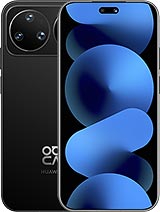
nova 16 Pro
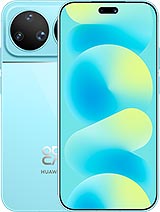
nova 16 Ultra
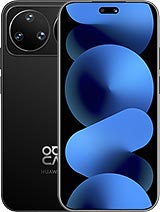
nova 16s Pro
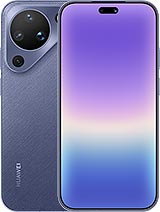
Pura 90
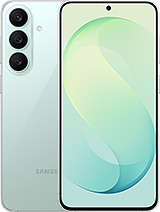
Galaxy S26 FE