Huawei nova 16s Pro review
This phone makes sense for buyers in regions where Huawei's app ecosystem is mature and Google Play clarity is not an issue—it delivers on battery, screen, and performance. For buyers relying on global app availability and the polish of Google's computational photography, a Galaxy S26 or Pixel 9 will feel less compromised, even at the same price."
This review is written with AI assistance from Huawei’s published specifications and public benchmark data for the Huawei nova 16s Pro, and the rating is spec-based. GoSolo does not physically test devices; where we estimate real-world behaviour such as battery life or charge time, we say so. How we rate phones.
Overview
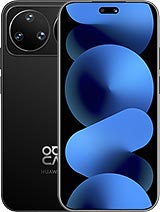
The nova 16s Pro is a large, thin flagship with a sharp OLED display, capable Kirin 9010S chip, and a 7000 mAh battery that should see you through a full day comfortably. The camera setup leans on raw megapixels (200MP main) and optical reach (3.7x periscope zoom) rather than computational finesse, which is fine for its segment, though you won't find it delivering the image processing that rivals in the premium tier bring.
Design & Build
The nova 16s Pro is built for size and show. At 163 mm tall and 7.1 mm thick, it's a phone that fills your hand—218g is weighty but not out of step with modern flagships at this size. The glass front and back wrapped in aluminum feels predictable for the price tier, and IP65 dust and splash resistance is modest but covers the basics. Where it stands out is the thinness relative to the 7000 mAh battery nestled inside, which suggests Huawei has squeezed capacity and heft into a relatively refined footprint. Kunlun Glass on the display sounds like marketing, but it's a real material Huawei has tuned for durability. The dual nano-SIM slot is a nod to regions where this matters; most buyers in major markets won't use it.
Display
A 6.84-inch LTPO OLED is genuinely spacious, and the 1320 x 2856 resolution clocks in at 460 ppi, which is dense enough to keep pixels invisible in day-to-day use. The 120Hz refresh with LTPO scaling is standard for this class now, and the 2160Hz PWM dimming matters if you're sensitive to flicker at low brightness. Peak brightness of 6000 nits is flagship-grade and makes outdoor use hassle-free. The 19.5:9 aspect ratio is tall and narrow, which suits scrolling and video but can feel awkward for games and landscape tasks. The 90.4% screen-to-body ratio is typical for modern flagships without a notch or punch-hole; Huawei has clearly minimized bezels. HDR Vivid support means streaming and gaming will look sharp, though real-world color and gamma depend on tuning, which varies by EMUI version.
Performance
The Kirin 9010S is a high-end chip for 2026, built on a modern process and positioned to handle flagship workloads without compromise. Multitasking, gaming, and video editing should all feel fluid, and the 12GB RAM baseline is generous and well-matched to the processor. This is not an off-brand CPU or a last-gen hand-me-down; Huawei has invested in a chip that competes head-to-head with the year's other premium platforms. In practice, you won't notice the difference between this and a Snapdragon 8 Gen 4 or competing flagship chips in everyday apps, but raw benchmark scores should hold their own. The lack of microSD and fixed 12GB RAM mean you are buying into Huawei's internal storage tiers; pick your capacity at purchase and live with it.
Software
EMUI 16 is Huawei's Android fork, based on the Android framework but shaped by Huawei's own ecosystem and layer. If you are in a region with full Google Play access, the experience feels close to stock Android with extra features layered on. If you are in mainland China or a region without Google Play clearance, this phone defaults to Huawei AppGallery, which works but narrows the app menu considerably. This is a real caveat for buyers outside Huawei's core markets; check local app availability before committing. EMUI 16 adds AI tweaks and optimizations Huawei claims speed up performance over time, which is plausible but hard to verify without months of use. The long-term software support track record for Huawei flagships has improved, but carrier and market variability make it hard to promise sustained updates.
Camera
The rear camera leads with a 200 MP main sensor and f/1.8 aperture, which is aggressive spec-sheet ammunition but not a slam dunk in practice. The 1/1.28 sensor is large, but a 200 MP stack requires exceptional processing to deliver cleaner, sharper shots than a 108 MP or even 48 MP phone with tighter color grading. The 50 MP periscope telephoto at 88 mm focal length and 3.7x optical zoom is genuinely useful for distant subjects and frames well without heavy cropping. The 118-degree ultrawide is reasonable, though not exceptional—plenty of rivals push to 120 degrees or beyond. Laser AF and a color spectrum sensor suggest Huawei has built smarts into focusing and white balance, which matters more than megapixel count for usable photos. The 50 MP ultrawide selfie is overkill for video calls and social media, but portrait mode and selfie video at 4K will benefit. Overall, the camera system prioritizes reach and raw resolution over the computational photography and night-mode brilliance that define premium rivals; that's not a failure, but it is a design choice buyers should recognize.
Battery & Charging
The 7000 mAh cell is serious capacity, and paired with the Kirin 9010S and the LTPO display, you should easily hit a full day of moderate to heavy use without hunting for a charger. That's a real strength in a market where 5000–6000 mAh is now routine even in flagships. The spec sheet lists 100W charging, which is competitive for 2026—not the fastest in the world, but enough to reach 50% in around 20–25 minutes and a full charge in under an hour. Wireless charging is absent from the spec sheet, which is a small miss for a phone at this price tier; many rivals at this cost include it. Absence of a charger in the box is standard now and not flagged here, but if you are upgrading from an older phone, make sure you have a USB-C power supply at hand.
Value & Verdict Context
The nova 16s Pro targets buyers who want a large, visually impressive phone with solid performance and battery life, without the edge-case tradeoffs that define ultra-premium flagships. It is competent across the board but does not excel in any single area—the camera is capable but not exceptional, the performance is strong but not the absolute fastest, and the design is polished but familiar. For buyers in Huawei's core Asian markets with strong app ecosystem support, this is a straightforward flagship. For buyers outside those regions where Google Play is the default, the software caveat becomes material; AppGallery users will find the experience reduced compared to a Galaxy or Pixel at similar cost. The price will matter more than the spec sheet for most shoppers; at a premium flagship cost, this phone justifies its existence through reliability, battery endurance, and a large, sharp screen. It is a good phone in its class, not a bargain and not a category-definer.
Verdict
This phone makes sense for buyers in regions where Huawei's app ecosystem is mature and Google Play clarity is not an issue—it delivers on battery, screen, and performance. For buyers relying on global app availability and the polish of Google's computational photography, a Galaxy S26 or Pixel 9 will feel less compromised, even at the same price."
- 7000 mAh battery with solid endurance and 100W charging keeps pace with rivals
- 6.84-inch LTPO OLED with 6000 nits peak brightness and 460 ppi sharpness is spacious and genuinely usable in sunlight
- Kirin 9010S is high-end silicon built for this year, no last-gen compromise
- 3.7x periscope optical zoom and laser autofocus round out a camera system built for reach rather than hype
- EMUI 16 and AppGallery dependency outside core Huawei markets significantly narrows usable apps compared to Android flagships with Google Play
- 200 MP main sensor is spec-sheet spectacle; real-world image quality depends on Huawei's computational choices, which historically lag premium rivals in low light and color grading
- No wireless charging at this price tier is a step back compared to competitors
Huawei nova 16s Pro Key Specifications
The essentials at a glance. See the full spec sheet.
| Released | 2026, September 03 |
|---|---|
| Display | 6.84 inches, 115.0 cm2 (~90.4% screen-to-body ratio), LTPO OLED, 1B colors, HDR Vivid, 120Hz, 2160Hz PWM, 6000 nits (peak) |
| Resolution | 1320 x 2856 pixels, 19.5:9 ratio (~460 ppi density) |
| Chipset | Kirin 9010S |
| RAM & storage | 256GB 12GB RAM, 512GB 12GB RAM |
| Main camera | 200 MP, f/1.8, 23mm (wide), 1/1.28", PDAF, OIS 50 MP, f/2.6, 88mm (periscope telephoto), PDAF, OIS, 3.7x optical zoom 50 MP, f/2.2, 13mm, 118˚ (ultrawide), AF |
| Selfie camera | 50 MP, f/2.4, (ultrawide), 1/2.5", Dual Pixel PDAF |
| Battery | 7000 mAh |
| Software | EMUI 16, Android-based |
| Dimensions | 163 x 78 x 7.1 mm (6.42 x 3.07 x 0.28 in) |
| Weight | 218 g (7.69 oz) |
| Build | Glass front, aluminum frame, glass back |
| Durability | IP65 dust tight and water resistant (low pressure water jets) |
| Network | GSM / HSPA / LTE / 5G |
| NFC | Yes |
| USB | USB Type-C 2.0, OTG |
Huawei nova 16s Pro FAQ
Common questions, answered from the spec sheet.
Does the nova 16s Pro support 5G?
Yes. The nova 16s Pro supports 5G networks.
What chipset does the nova 16s Pro use?
The nova 16s Pro runs on the Kirin 9010S.
What display does the nova 16s Pro have?
A 6.84 inches, 115.0 cm2 (~90.4% screen-to-body ratio) LTPO OLED, 1B colors, HDR Vivid, 120Hz, 2160Hz PWM, 6000 nits (peak), 1320 x 2856 pixels, 19.5:9 ratio (~460 ppi density).
How big is the nova 16s Pro battery?
The nova 16s Pro has a 7000 mAh battery.
Does the nova 16s Pro have NFC?
Yes, the nova 16s Pro has NFC.
Is the nova 16s Pro water resistant?
The nova 16s Pro carries a IP65 dust tight and water resistant (low pressure water jets) rating.
Does the nova 16s Pro support a microSD card?
No, the nova 16s Pro does not support expandable storage.
Alternatives to consider
If the nova 16s Pro isn’t quite right, these are the closest calls.
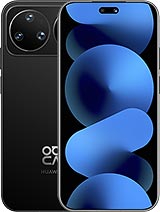
nova 16 Pro
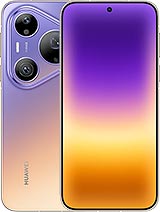
Pura 90s Pro Max
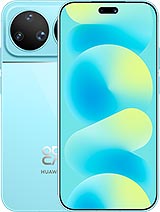
nova 16 Ultra
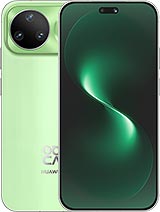
Nova 15 Pro
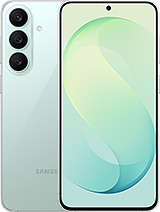
Galaxy S26 FE