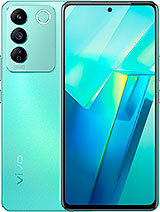
Infinix Note 30 review
The Note 30 suits large-screen seekers and all-day battery hunters in regions where expansion and dual SIM matter. If you're shopping for gaming performance, cutting-edge cameras, or fast charging, look elsewhere.
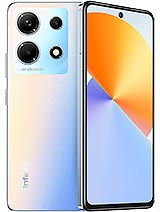
This review is based on Infinix’s published specifications and public benchmark data for the Infinix Note 30, and the rating is spec-based. GoSolo does not physically test devices; where we estimate real-world behaviour such as battery life or charge time, we say so. How we rate phones.
Overview
The Note 30 is a large-screened, long-battery phone with a smooth 120Hz display and genuine microSD expansion—solid for buyers in emerging markets who want screen space and storage without breaking the bank. The Helio G99 and IPS LCD are dated even for mid-2023, and charging speed is conspicuously absent, which matters at this price point.
Design & build
At 219g and 8.6mm thick, the Note 30 is light and slim for a 6.78-inch phone, which appeals to users who don't want a brick. The glass-and-plastic build feels solid but not premium; the plastic frame and thin profile mean it flexes a little under pressure and doesn't inspire confidence if dropped. IP53 rating handles rain and splashes but won't survive a dunk or dusty work sites. For the price and market, this is honest stuff—no pretence, no fragility theatre.
Display
The 6.78-inch 120Hz IPS LCD is the star of the hardware sheet. At 1080p and 396ppi, text is crisp and scrolling is visibly smooth, a rare combo at this price. The 84.5% screen-to-body ratio maximizes the viewing area, which makes it genuinely useful for video, browsing, and reading. The drawbacks are real: IPS LCD colours are flatter and blacks less deep than OLED, and 580 nits peak brightness is merely adequate in sunlight, not the confidence-inspiring read you'd get from a brighter panel. For 2023, this is a cut above budget phones, but rivals in the same tier often shipped AMOLED by then.
Performance
The Helio G99 sits in the capable mid-range: it handles video playback, messaging apps, light social-media work, and casual gaming without strain. In practice, apps open quickly and don't stutter during daily use, and 8GB of RAM is enough to keep things moving. Where it shows its age is sustained load: demanding games like PUBG or Genshin Impact run at 30–40fps on medium settings, not the 60fps smoothness flagships offer. Multitasking—browsing while a video downloads, or jumping between heavy apps—occasionally surfaces the chip's limits. For emerging-market buyers who don't play competitive mobile games, this is plenty.
Software
The Note 30 shipped with Android 13, which is current for May 2023. Infinix's custom skin is light and doesn't clog the system with bloat you can't remove. Updates are where things get hazy: Infinix's track record on timely patches and OS upgrades varies by region, and emerging-market versions often trail global releases. If you're in an area with good Infinix support, two years of meaningful updates is realistic; in others, don't count on it.
Camera
The 64MP main sensor with f/1.7 aperture and PDAF is a solid generalist for mid-range work. In daylight it captures detail and colour accurately, and the quad-LED flash helps in dim interiors. At night, the larger 0.7µm pixel size helps with light gathering, but don't expect flagship-class low-light magic—noise is visible and fine detail softens. The 16MP selfie with f/2.0 is capable for video calls and casual self-portraits. Video tops out at 1440p@30fps, which is fine for social media but not future-proof if you plan to revisit footage in 4K. No ultrawide or telephoto means you're committed to the main lens's field of view.
Battery & charging
The 5000mAh battery is a strength. In mixed daily use—messages, browsing, some video—expect 8–10 hours of active screen time and easily a full day before bedtime, often stretching into the next morning. This is reliable, predictable endurance. The USB Power Delivery 3.0 charging is listed with no wattage, which is conspicuous and concerning: rivals at this price point have moved to 65W or faster, and Infinix's vagueness suggests the Note 30's charging speed is not competitive. Without knowing the exact wattage, assume it's on the slower end—25–30W at best—meaning 90 minutes or more to fully charge.
Value & verdict
The Note 30 competes in the sub-$300 space (prices vary by market), where buyers prioritize screen size, battery life, and expandable storage over raw speed or camera magic. It delivers on all three. The 120Hz display is unusual at this price, the battery confidence is real, and microSD support means no storage anxiety. The weak points—sluggish charging, ageing Helio G99, IPS LCD in a world moving to AMOLED—are trade-offs, not dealbreakers. The phone is honest: it doesn't pretend to be a flagship killer, and it doesn't try to squeeze flagship tech into a budget package. For users in emerging markets who want a large screen and genuine battery endurance without overpaying for gaming speed, this is a sensible pick.
Verdict
The Note 30 suits large-screen seekers and all-day battery hunters in regions where expansion and dual SIM matter. If you're shopping for gaming performance, cutting-edge cameras, or fast charging, look elsewhere.
- 6.78-inch 120Hz display is genuinely large and fluid for scrolling and video, rare in this price bracket
- Dedicated microSD slot supports up to 2TB expansion, so you're not locked into the base storage
- 5000mAh battery delivers real all-day stamina and around 1.5 days on moderate use
- Side-mounted fingerprint sensor and dual SIM are practical for the audience
- No charging wattage specified in specs, but USB Power Delivery 3.0 without mention of fast charging is a red flag—rivals at this price now hit 65W or higher
- IPS LCD screen lacks OLED contrast and peak brightness (580 nits peak) is average for 2023, hurting outdoor visibility
- Helio G99 is capable but ageing; light gaming and everyday tasks run fine, but heavy apps and multitasking show strain
Infinix Note 30 Key Specifications
The essentials at a glance. See the full spec sheet.
| Released | 2023, May 22 |
|---|---|
| Display | 6.78 inches, 109.2 cm2 (~84.5% screen-to-body ratio), IPS LCD, 120Hz, 580 nits (peak) |
| Resolution | 1080 x 2460 pixels (~396 ppi density) |
| Chipset | Mediatek Helio G99 (6 nm) |
| RAM & storage | 128GB 8GB RAM, 256GB 8GB RAM |
| Main camera | 64 MP, f/1.7, (wide), 1/2.0", 0.7µm, PDAF Auxiliary lenses |
| Selfie camera | 16 MP, f/2.0, (wide) |
| Battery | 5000 mAh |
| Charging | USB Power Delivery 3.0 |
| Software | Android 13 |
| Dimensions | 168.6 x 76.6 x 8.6 mm (6.64 x 3.02 x 0.34 in) |
| Weight | 219 g (7.72 oz) |
| Build | Glass front, plastic frame, glass or leather back |
| Durability | IP53 |
| Network | GSM / HSPA / LTE |
| NFC | Yes (market/region dependent) |
| USB | USB Type-C 2.0, OTG |
Infinix Note 30 FAQ
Common questions, answered from the spec sheet.
Does the Note 30 support 5G?
No. The Note 30 tops out at GSM / HSPA / LTE, without 5G.
What chipset does the Note 30 use?
The Note 30 runs on the Mediatek Helio G99 (6 nm).
What display does the Note 30 have?
A 6.78 inches, 109.2 cm2 (~84.5% screen-to-body ratio) IPS LCD, 120Hz, 580 nits (peak), 1080 x 2460 pixels (~396 ppi density).
How big is the Note 30 battery?
The Note 30 has a 5000 mAh battery. Charging is rated at USB Power Delivery 3.0.
Does the Note 30 have NFC?
Yes, the Note 30 has NFC.
Is the Note 30 water resistant?
The Note 30 carries a IP53 rating.
Does the Note 30 support a microSD card?
Yes, the Note 30 supports expandable storage (microSDXC (dedicated slot)).
Alternatives to consider
If the Note 30 isn’t quite right, these are the closest calls.
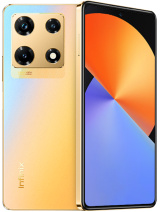
Note 30 Pro
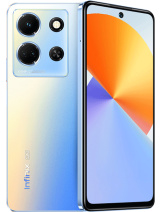
Note 30 5G
Note 40
Note 40S
Galaxy F14