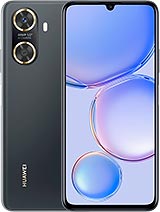
Infinix Smart 8 review
If you are shopping now, skip this phone entirely—used or new, there is no case for it. It was a bare-minimum option in 2017 and has aged into obsolescence. Only consider one if you find it used for pocket change as a text-only backup or offline device in a region with no better options.
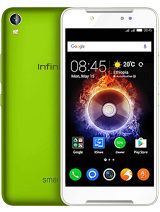
This review is based on Infinix’s published specifications and public benchmark data for the Infinix Smart 8, and the rating is spec-based. GoSolo does not physically test devices; where we estimate real-world behaviour such as battery life or charge time, we say so. How we rate phones.
Overview
The Infinix Smart 8 is a 2017 budget phone that hits the basics—small 5-inch screen, 1GB RAM, weak processor—and was priced around €100 when new, making it a no-frills device for calls, messages, and light apps rather than a smartphone you'd want to live with for long. The 3060 mAh battery and slow 10W charging mean you're topping up every evening, and the MT6580 chipset is already outdated by modern standards.
Design & build
At 145g and 8.4mm thick, the Smart 8 is compact and light, almost pocket-friendly by today's standards when phones routinely cross 200g. The glass-front plastic-body construction feels cheap but was unremarkable for a €100 phone in 2017. Dual SIM support and an FM radio port hint at a device aimed squarely at emerging markets where a second number and radio station tuning still matter. Nothing here offends, but nothing impresses either—it looks and feels exactly like what it costs.
Display
The 5-inch IPS LCD with 720×1280 resolution delivers about 294 ppi, which is soft and jaggy compared to even mid-range phones of its era. Text and icons show pixelation on close inspection, and scrolling through dense lists or reading small fonts gets tiring. For basic messaging and social media feeds, it suffices; for anything requiring sustained focus on text, the resolution falls short. No protection rating is listed, and no mention of brightness, so outdoor visibility remains a question mark for a budget screen in direct sun.
Performance
The Mediatek MT6580 quad-core at 1.3 GHz paired with just 1GB RAM makes this phone a struggle in 2024 and beyond. Android 7.0 Nougat came out in 2016 and is long unsupported; running it on 1GB is like asking a car with a 1-litre engine to haul freight. Apps open slowly, multitasking is non-existent, and anything beyond basic messaging, calls, and YouTube will cause visible lag or stutter. Even light games are painful. For someone who checks email and texts, it technically works; for anyone else, it is frustration in a pocket.
Camera
The 8MP main camera with autofocus captures decent daylight shots in fair conditions but lacks the low-light chops of even budget rivals from the same era. The 2MP selfie camera is a placeholder. Video maxes out at 720p 30fps, which looks muddy on modern displays. Neither camera excels, and both underperform the expectations of people accustomed to later budget phones that deliver 13MP or better with improved sensors.
Battery & charging
The 3060 mAh battery powers through a day of light use—calls, text, a bit of browsing—but drains visibly faster under streaming or gaming. The 10W charger is glacially slow; expect 3+ hours from empty to full, which is punishment by today's standard. For a phone in this class, charge speed matters when you're on a tight schedule or in a region with unreliable power. The non-removable battery means you are stuck if capacity degrades.
Software & features
Android 7.0 from 2016 is now a security liability and incompatible with modern apps. Google Play services and many current apps require Android 8 or higher, so app compatibility shrinks month by month. The microSD card slot is a genuine perk—storage can expand if the 16GB fills—and the 3.5mm headphone jack appeals to anyone still using wired headphones. FM radio is included, though it matters only in regions where FM remains a listening habit.
Value & verdict
At €100 in 2017, this was a sensible bottom-rung option. In 2026, it is a relic. Modern budget phones at the same price or lower offer faster processors, more RAM, larger screens, better cameras, and current Android versions that actually receive security updates. The Smart 8 is not recommended for any new buyer today unless you stumble on one used for peanuts and need a throwaway device for a single SIM or offline use. Even then, a 2-year-old mid-range phone outclasses it at comparable cost.
Verdict
If you are shopping now, skip this phone entirely—used or new, there is no case for it. It was a bare-minimum option in 2017 and has aged into obsolescence. Only consider one if you find it used for pocket change as a text-only backup or offline device in a region with no better options.
- Compact size (145g, 8.4mm) fits easily in a pocket, a rarity in modern phones
- MicroSD slot lets you expand storage without sacrificing a SIM slot
- 3.5mm headphone jack for anyone committed to wired audio
- Dual SIM support and FM radio cater to emerging-market users
- Only 1GB RAM and a 2017 chipset make multitasking and modern apps painful to use
- Android 7.0 is nine years old, no longer receives security updates, and incompatible with many current apps
- 10W charging takes 3+ hours for a full charge, making it impractical if you are out all day
Infinix Smart 8 Key Specifications
The essentials at a glance. See the full spec sheet.
| Released | 2017. Released 2017 |
|---|---|
| Display | 5.0 inches, 68.9 cm2 (~66.2% screen-to-body ratio), IPS LCD |
| Resolution | 720 x 1280 pixels, 16:9 ratio (~294 ppi density) |
| Chipset | Mediatek MT6580 (28 nm) |
| RAM & storage | 16GB 1GB RAM |
| Main camera | 8 MP, AF |
| Selfie camera | 2 MP |
| Battery | 3060 mAh |
| Charging | 10W wiredReverse wired |
| Software | Android 7.0 (Nougat) |
| Dimensions | 144.9 x 71.9 x 8.4 mm (5.70 x 2.83 x 0.33 in) |
| Weight | 145 g (5.11 oz) |
| Build | Glass front, plastic back, plastic frame |
| Network | GSM / HSPA |
| NFC | No |
| USB | microUSB 2.0, OTG |
Infinix Smart 8 FAQ
Common questions, answered from the spec sheet.
Does the Smart 8 support 5G?
No. The Smart 8 tops out at GSM / HSPA, without 5G.
What chipset does the Smart 8 use?
The Smart 8 runs on the Mediatek MT6580 (28 nm).
What display does the Smart 8 have?
A 5.0 inches, 68.9 cm2 (~66.2% screen-to-body ratio) IPS LCD, 720 x 1280 pixels, 16:9 ratio (~294 ppi density).
How big is the Smart 8 battery?
The Smart 8 has a 3060 mAh battery. Charging is rated at 10W wiredReverse wired.
Does the Smart 8 have NFC?
No, the Smart 8 does not list NFC support.
Does the Smart 8 support a microSD card?
Yes, the Smart 8 supports expandable storage (microSDXC).
Does the Smart 8 have a headphone jack?
Yes, the Smart 8 has a 3.5mm headphone jack.
Alternatives to consider
If the Smart 8 isn’t quite right, these are the closest calls.
Smart 7
Smart 8 HD
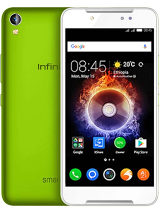
Smart 9
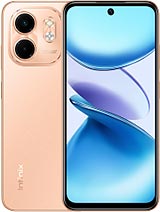
Smart 9 HD
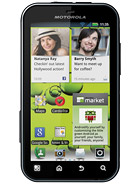
Defy 2