Infinix Xpad 20 review
This tablet suits families and casual users who prioritize screen size, battery endurance, and portability for streaming and browsing at home. Anyone needing faster charging, newer chip performance, or serious gaming should look at more recent midrange tablets or invest further.
This review is written with AI assistance from Infinix’s published specifications and public benchmark data for the Infinix Xpad 20, and the rating is spec-based. GoSolo does not physically test devices; where we estimate real-world behaviour such as battery life or charge time, we say so. How we rate phones.
Overview
The Xpad 20 is a large, light tablet built for family streaming and browsing—its 11-inch screen, 90Hz refresh, and 7000mAh battery suit daily home use, but the entry-level Helio G88 and weak 8MP camera keep it squarely a casual device, not a productivity or gaming tool.
Design & Build
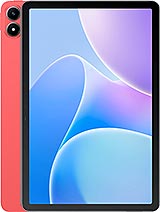
At 498g and just 7.9mm thick, the Xpad 20 is remarkably light for an 11-inch tablet—you can hold it one-handed without strain for a short spell. The build feels standard for the price: plastic frame, likely a plastic back, the usual trade-off for weight savings. A dedicated microSD slot and 3.5mm jack are both present, which matters for a device pitched at budget-conscious households that might not own wireless earbuds or want cloud storage for media. The 80.5% screen-to-body ratio is decent but unremarkable; bezels exist, and they're functional rather than minimal. Four color options (Stellar Grey, Forest Green, Dreamy Purple, Rising Red) give visual choice, though the actual finish quality at this price is likely textured plastic rather than premium.
Display
The 11-inch IPS LCD running at 90Hz is the Xpad 20's strongest feature. At 206 ppi, the pixel density is soft—not sharp—and won't deliver the crispness of an iPad or high-end Samsung tablet, but at typical viewing distance, text and video remain readable. The 90Hz refresh smooths scrolling and makes the tablet feel more responsive than a 60Hz budget rival, a noticeable quality-of-life gain during prolonged use. Brightness tops out at 440 nits, which is adequate indoors and in shaded outdoor spaces but falls short in direct sunlight or very bright rooms; flagship tablets easily hit 500+ nits. The 1200×1920 resolution at 16:10 aspect ratio is a sensible fit for landscape viewing and video, though the lower pixel count means some apps and photos won't look as detailed as on sharper screens.
Performance
The Helio G88 is a 2022-era mainstream chipset, paired here with Mali-G52 graphics. It handles everyday apps, browsing, light streaming, and casual games (Candy Crush, simple 3D titles) without strain. Expect smooth app launches and multitasking with 4GB RAM (base), though 6GB or 8GB variants offer more breathing room for heavier workloads. Demanding 3D games like Genshin Impact or Call of Duty will run, but at lower settings and with occasional stuttering. For a tablet marketed at families and daily browsing, this is sufficient; nobody buying at this price expects a gaming powerhouse. The eMMC 5.1 storage is slower than UFS found on pricier tablets, so app and file operations feel less snappy than on flagship rivals, but not prohibitively so for casual use.
Software
Android 15 ships out of the box, which is current as of mid-2025. Infinix's skin is generally light-handed, though no guarantees on update cadence—budget manufacturers often drop support after a year or two. The inclusion of an FM radio and the physical 3.5mm jack suggest Infinix isn't aggressively stripping legacy features, a plus for users without always-on connectivity or existing wireless audio. Three years of security updates would be realistic to expect, though probably not five; real-world support timelines for budget tablets are murky and often optimistic.
Camera
The 8MP main camera with LED flash is functional but uninspired. Daylight shots are usable for social media or casual documentation, but lack detail and dynamic range; the sensor is small and basic. 1080p video at 30fps is the ceiling, which suits casual recording and clips for messaging but falls behind even mid-range phones at this price. The 5MP selfie camera is fine for video calls and that's about it. For a tablet, camera quality is usually secondary, and Infinix makes no pretense of prioritizing it here. If photo quality matters to you at all, your phone will outshoot this tablet easily.
Battery & Charging
The 7000mAh battery is substantial and paired with modest power draw from the Helio G88 and 440-nit display, yielding roughly 10 to 12 hours of mixed use (browsing, video, light apps). Real-world longevity depends on screen brightness and what you're doing, but a day of typical family use is realistic. The weakness is 10W wired charging, which is slow by any standard—expect about 3 to 4 hours to full charge. Even budget phones hit 30W or 40W now; by tablet standards, this is visibly behind. For a device primarily docked at home, the slow charge rate is less painful than on a phone, but it's still a frustration if you need the tablet ready in an hour.
Value & Verdict
The Xpad 20 occupies a specific niche: a lightweight 11-inch tablet for streaming, browsing, and family use at a budget price. The large screen, long battery life, and light weight are genuine strengths for that mission. The 90Hz display and inclusion of a headphone jack and microSD slot reinforce its pitch to cost-conscious buyers. Against it: the Helio G88 is outdated for 2025, eMMC storage is noticeably slower than UFS, and 10W charging is inexcusably slow. If you're primarily watching video, reading, and light web work, the trade-offs make sense. If you want a serious productivity tablet, better gaming, or faster storage, look elsewhere—a midrange Android tablet with a newer chip, or save harder for an iPad.
Verdict
This tablet suits families and casual users who prioritize screen size, battery endurance, and portability for streaming and browsing at home. Anyone needing faster charging, newer chip performance, or serious gaming should look at more recent midrange tablets or invest further.
- Large 11-inch 90Hz display is genuinely smooth and suitable for video and reading, with good screen-to-body ratio
- 7000mAh battery delivers 10–12 hours of real daily use, and the light 498g frame is easy to hold for long stretches
- Dedicated microSD expansion and working 3.5mm jack save money and avoid cloud lock-in for casual users
- Android 15 arrives fresh, and the hardware is uncomplicated and reliable for everyday family tasks
- 10W charging is indefensibly slow for 2025; rivals at this price and above have moved to 20W or faster, so expect 3–4 hours to full
- Helio G88 is 2022-era midrange; newer budget tablets offer faster chips, and demanding games will struggle at decent settings
- eMMC 5.1 storage lags far behind UFS in read/write speed, making app launches and file operations visibly slower than pricier tablets
Infinix Xpad 20 Key Specifications
The essentials at a glance. See the full spec sheet.
| Released | 2025, May 30 |
|---|---|
| Display | 11.0 inches, 350.9 cm2 (~80.5% screen-to-body ratio), IPS LCD, 90Hz, 440 nits |
| Resolution | 1200 x 1920 pixels, 16:10 ratio (~206 ppi density) |
| Chipset | Mediatek Helio G88 (12 nm) |
| RAM & storage | 128GB 4GB RAM, 128GB 6GB RAM, 128GB 8GB RAM, 256GB 8GB RAM |
| Main camera | 8 MP |
| Selfie camera | 5 MP |
| Battery | 7000 mAh |
| Charging | 10W wiredReverse wired |
| Software | Android 15 |
| Dimensions | 257.7 x 169.2 x 7.9 mm (10.15 x 6.66 x 0.31 in) |
| Weight | 498 g (1.10 lb) |
| Network | GSM / HSPA / LTE |
| NFC | No |
| USB | USB Type-C 2.0, OTG |
Infinix Xpad 20 FAQ
Common questions, answered from the spec sheet.
Does the Xpad 20 support 5G?
No. The Xpad 20 tops out at GSM / HSPA / LTE, without 5G.
What chipset does the Xpad 20 use?
The Xpad 20 runs on the Mediatek Helio G88 (12 nm).
What display does the Xpad 20 have?
A 11.0 inches, 350.9 cm2 (~80.5% screen-to-body ratio) IPS LCD, 90Hz, 440 nits, 1200 x 1920 pixels, 16:10 ratio (~206 ppi density).
How big is the Xpad 20 battery?
The Xpad 20 has a 7000 mAh battery. Charging is rated at 10W wiredReverse wired.
Does the Xpad 20 have NFC?
No, the Xpad 20 does not list NFC support.
Does the Xpad 20 support a microSD card?
Yes, the Xpad 20 supports expandable storage (microSDXC (dedicated slot)).
Does the Xpad 20 have a headphone jack?
Yes, the Xpad 20 has a 3.5mm headphone jack.
Alternatives to consider
If the Xpad 20 isn’t quite right, these are the closest calls.
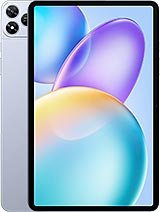
Xpad 20 Pro

Smart 20
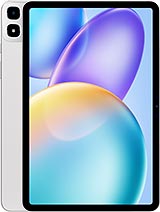
Xpad 30 Pro
Hot 60i 5G
N6x