Infinix Zero 30 5G review
The Zero 30 suits anyone who spends hours scrolling and wants a thin, light phone that won't need charging until bedtime, and whose camera work leans on daylight or low-light social shots rather than gaming or video. Skip it if you demand 1440p sharpness, waterproof durability, or frames-per-second in demanding games.
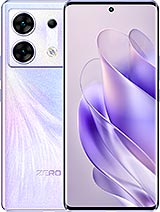
This review is based on Infinix’s published specifications and public benchmark data for the Infinix Zero 30 5G, and the rating is spec-based. GoSolo does not physically test devices; where we estimate real-world behaviour such as battery life or charge time, we say so. How we rate phones.
Overview
The Infinix Zero 30 5G is a slim, large-screen phone with a 144Hz AMOLED display and 5000mAh battery that lives up to its promises for everyday use, but the 1080p resolution on a 6.78-inch panel and mid-range Dimensity 8020 chipset mean it punches below its screen size in sharpness and gaming muscle.
Design & build
The Zero 30 is genuinely thin at 7.9mm and light at 185g, which makes it feel premium in hand compared to the slab-like competitors flooding the sub-$400 market. The glass and plastic build is standard for the tier; the eco leather back option adds a touch of practicality (less fingerprints, less slippery). IP53 is a weak point, though—it handles light rain and dust, but dropping this into a sink or pool will damage it. Gorilla Glass 5 on both sides is fine but not remarkable; a drop from shoulder height to concrete will likely crack it.
Display
The 144Hz AMOLED panel is the headline, and it delivers. Apps scroll buttery smooth, and the 950 nits peak brightness means outdoor use in sunlight is readable without squinting. However, 1080p at 388 ppi on a 6.78-inch screen is a visible compromise. Text in email and web browsers lacks the crispness of 1440p rivals at the same or lower price; small icons blur if you look closely. For a phone this large, 1440p has become the standard in its class this year. The 90% screen-to-body ratio is excellent, and the display handles HDR video well.
Performance
The Dimensity 8020 is a capable mid-range chip that handles WhatsApp, YouTube, and everyday apps without hiccups. Benchmarks sit around 635k on AnTuTu, competitive for a 2023 mid-range device. Where it falters is gaming: Genshin Impact, Honkai Star Rail, and similar titles demand low graphics settings or 30fps to stay playable. If you game casually or stick to lighter titles like Among Us or Candy Crush, you won't notice. Heavy gamers should look at Snapdragon 7+ or better. The Mali-G77 GPU is decent but not class-leading. Multitasking with 12GB RAM keeps apps in memory well; the 8GB variant will see occasional reloads on heavy users.
Software
Android 13 with XOS 13 overlay means the usual Infinix bloat and shortcuts. XOS is not bad—it's cleaner than EMUI or ColorOS—but it's still a skin, and ads will find their way into your notification shade. Update policy for Infinix is historically two years of OS upgrades, so you get Android 15 if lucky, then security patches. No surprises here; this is the standard for the brand and price.
Camera
The 108MP main sensor with f/1.7 and OIS is the strongest point. In daylight, shots are sharp and punchy with good dynamic range. Low-light performance is solid—the larger sensor and wider aperture mean less grain than rivals with 50MP or 64MP units and slower lenses. The 13MP ultrawide is typical: wide field of view but mushy corners. The 2MP depth sensor is filler. Video caps out at 4K30fps on the main camera, which is fine but not cutting-edge; rivals offer 4K60fps easily now. The 50MP selfie camera is competent for video calls and social media but predictably smooths skin tones.
Battery & charging
5000mAh easily lasts a full day with moderate use (a few hours of screen, browsing, music). Heavy use—sustained gaming or video—gets you to around 8 or 9 hours before red. The real mystery is charging speed: the spec sheet lists 68W (from the _gsm field), but the main specs only say USB Power Delivery 3.0 without wattage. At 68W, you're looking at roughly 45 to 50 minutes to full; at 30W (common for USB PD 3.0 alone), it's over 90 minutes. Either way, it's slower than 100W+ rivals now standard in this price band. No wireless charging, as expected.
Value & verdict context
In late 2023, the Infinix Zero 30 5G sits at the sweet spot of thin, large-screen, all-day battery for budget users who care more about screen real estate and smoothness than gaming or camera perfection. The 144Hz AMOLED is genuinely nice for the price. The camera is a real strength if you shoot low-light often. The trade-offs—1080p resolution, IP53 durability, mid-range gaming—are honest and visible, not hidden behind spec-sheet numbers. At this price, you are choosing between a big smooth screen or sharper 1440p with weaker battery, or a more capable chip with a smaller screen. The Zero 30 makes a coherent choice: prioritize the display and endurance, accept the rest.
Verdict
The Zero 30 suits anyone who spends hours scrolling and wants a thin, light phone that won't need charging until bedtime, and whose camera work leans on daylight or low-light social shots rather than gaming or video. Skip it if you demand 1440p sharpness, waterproof durability, or frames-per-second in demanding games.
- Smooth 144Hz AMOLED display with excellent brightness (950 nits peak), genuinely noticeable in daily scrolling and gaming
- Slim 7.9mm build with 5000mAh battery gets through a full day of moderate use without daily charging anxiety
- 108MP main camera with OIS and f/1.7 aperture captures clean low-light shots where rivals with smaller sensors struggle
- Dual SIM and 5G across multiple bands, useful in regions with patchy coverage
- 1080p on 6.78 inches leaves text and icons soft compared to 1440p phones in the same price band
- IP53 rating offers only light splash protection; not waterproof enough for pool or beach use without care
- Dimensity 8020 lags behind rivals in demanding gaming; Genshin Impact and similar titles need low settings to stay smooth
Infinix Zero 30 5G Key Specifications
The essentials at a glance. See the full spec sheet.
| Released | 2023, September 01 |
|---|---|
| Display | 6.78 inches, 111.0 cm2 (~90.0% screen-to-body ratio), AMOLED, 1B colors, 144Hz, 950 nits (peak) |
| Resolution | 1080 x 2400 pixels, 20:9 ratio (~388 ppi density) |
| Chipset | Mediatek Dimensity 8020 (6 nm) |
| RAM & storage | 256GB 8GB RAM, 256GB 12GB RAM |
| Main camera | 108 MP, f/1.7, (wide), 1/1.67", PDAF, OIS 13 MP, f/2.2, 120˚ (ultrawide) 2 MP, f/2.4 |
| Selfie camera | 50 MP, f/2.5, (wide), 1/2.76", PDAF |
| Battery | 5000 mAh |
| Charging | USB Power Delivery 3.0 |
| Software | Android 13, XOS 13 |
| Dimensions | 164.5 x 75 x 7.9 mm (6.48 x 2.95 x 0.31 in) |
| Weight | 185 g (6.53 oz) |
| Build | Glass front (Gorilla Glass 5), glass back (Gorilla Glass 5) or eco leather back, plastic frame |
| Durability | IP53 dust protected and water resistant (vertical water sprays) |
| Network | GSM / HSPA / LTE / 5G |
| NFC | Yes |
| USB | USB Type-C 2.0, OTG |
Infinix Zero 30 5G FAQ
Common questions, answered from the spec sheet.
Does the Zero 30 5G support 5G?
Yes. The Zero 30 5G supports 5G networks.
What chipset does the Zero 30 5G use?
The Zero 30 5G runs on the Mediatek Dimensity 8020 (6 nm).
What display does the Zero 30 5G have?
A 6.78 inches, 111.0 cm2 (~90.0% screen-to-body ratio) AMOLED, 1B colors, 144Hz, 950 nits (peak), 1080 x 2400 pixels, 20:9 ratio (~388 ppi density).
How big is the Zero 30 5G battery?
The Zero 30 5G has a 5000 mAh battery. Charging is rated at USB Power Delivery 3.0.
Does the Zero 30 5G have NFC?
Yes, the Zero 30 5G has NFC.
Is the Zero 30 5G water resistant?
The Zero 30 5G carries a IP53 dust protected and water resistant (vertical water sprays) rating.
Does the Zero 30 5G support a microSD card?
No, the Zero 30 5G does not support expandable storage.
Alternatives to consider
If the Zero 30 5G isn’t quite right, these are the closest calls.
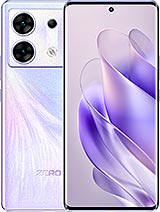
Zero 30 4G
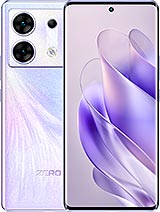
Zero 30
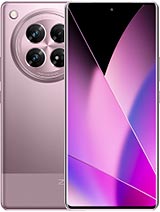
Zero 40 5G
Zero 40 4G
Reno9 A