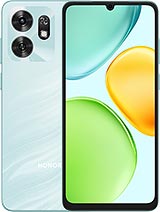
Itel A50C review
This phone suits buyers in low-connectivity areas buying a first device for calling and texts, or anyone needing a second phone that simply will not break the bank. Anyone expecting decent multitasking performance or a usable camera in non-ideal lighting should look toward a Unisoc T612 or T616 device instead, even if it costs a bit more."
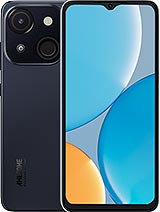
This review is based on Itel’s published specifications and public benchmark data for the Itel A50C, and the rating is spec-based. GoSolo does not physically test devices; where we estimate real-world behaviour such as battery life or charge time, we say so. How we rate phones.
Overview
The Itel A50C is a bare-bones entry phone built for voice, texts, and light browsing in markets where data is expensive and durability matters less than price. It delivers on the basics but treats everything else—camera, performance, battery—as a secondary concern, making it a realistic choice only for users with genuinely minimal demands.
Design & build
At 192.6g and 9.4mm, the A50C is slim and reasonably light, which is fine for extended holding. The build materials are not specified, so expect plastic throughout. The dual SIM slot is useful in regions where switching carriers or managing work and personal numbers matters, and the headphone jack is a genuine plus for anyone already invested in wired audio. However, the phone carries no IP rating for water or dust resistance—a real liability in humid climates or where accidental splashes happen. For a phone in this price bracket targeting durability-conscious buyers in challenging environments, that gap sticks out.
Display
The 6.56-inch IPS LCD screen gives you a large canvas for reading and video, and the 83.4% screen-to-body ratio is respectable for the budget tier. That said, 202 ppi is low by modern standards. Text will appear slightly soft, edges of icons less crisp, and while it is workable for email and social media, anyone comparing it side-by-side to a phone at similar price will notice the difference. The low resolution (540 × 1208) also means scrolling through dense content feels sluggish on the eyes. IPS LCD is reliable and viewable from angles, which helps when multiple people are watching, but this is not a screen you will enjoy for extended media consumption.
Performance
The Unisoc T603 is an entry-level octa-core chipset paired with 2GB of RAM. This combination handles calls, texts, messaging apps, and basic web browsing without drama. Multitasking is where it falters: opening multiple apps or keeping several browser tabs alive will trigger slowdowns, and switching between apps feels sluggish. Anything more demanding—social media with heavy video feeds, light gaming, or editing—will strain the hardware. For the people this phone targets (first-time smartphone buyers, or a secondary device for calling and texts), that is acceptable. But do not expect smooth performance if you try to do more than one thing at once or run newer apps. Android 14 Go edition is a lean variant designed for low-spec devices, which helps, but it cannot fully mask the chipset's fundamental limits.
Software
Android 14 Go edition is the right choice for this hardware. It is streamlined to avoid bloat and runs smoothly on constrained RAM. The trade-off is that it lacks some conveniences of standard Android—Google Play Store access is present but app availability is more limited, and some Google services are lite versions. Updates and support are typically longer on Go devices, a genuine win for a budget phone, since you are not chasing newer versions on aging hardware. If you are buying this phone, you accept a simpler Android experience, and Go edition owns that truth cleanly.
Camera
The 8MP main sensor with autofocus and LED flash is adequate for daylight snapshots and document scanning. Colors are acceptable in bright conditions, and the autofocus means you will not get completely soft images in most scenarios. Low light is where this camera gives up: night shots will be noisy, blurry, and generally poor. There is no ultrawide lens, no zoom, and no night mode—so if you need versatility or quality outside bright daylight, you are out of luck. The 5MP front camera is suited only to video calls and casual selfies. For a phone this cheap, the camera meets basic expectations, but it will frustrate you if you take photos seriously or often shoot indoors.
Battery & charging
The 4000mAh battery will give you about a full day on light use—calls, texts, email, and moderate browsing. Heavier use, especially video or social media scrolling, will push you to mid-afternoon depletion. The fast charger and wattage are not listed, so assume slow charging by modern standards, likely several hours from flat to full. There is no mention of any fast-charging technology, which means if you do run the battery dead, recovery is slow. For a phone aimed at basic tasks, a single day of light use is realistic and acceptable; just do not plan on plugging in once and forgetting about power for multiple days.
Value & verdict context
The A50C costs very little, likely between $80 and $120 depending on region. At that price, you are not paying for a complete smartphone experience; you are buying a device that makes calls and handles texts reliably, with a screen large enough for social media and web browsing in a pinch. The headphone jack and microSD expansion are genuine conveniences that more expensive phones have dropped. Android 14 Go edition and long support windows matter for a phone this humble. Where it stumbles is performance (slow when multitasking), camera (soft and useless in low light), battery (one day at best), and durability (no water protection). For a second phone, a backup for travel, or a first phone for a young teenager in a low-data environment, it makes sense. For everyday use as a primary phone, even in markets where phones are expensive, you would be happier stretching a bit further for a Unisoc T612 or T616 device with 4GB RAM and a slightly faster chip.
Verdict
This phone suits buyers in low-connectivity areas buying a first device for calling and texts, or anyone needing a second phone that simply will not break the bank. Anyone expecting decent multitasking performance or a usable camera in non-ideal lighting should look toward a Unisoc T612 or T616 device instead, even if it costs a bit more."
- Headphone jack and microSD card slot—rare and useful for buyers who value them
- Lightweight and slim design, easy to hold for long periods
- Android 14 Go edition with reliable long-term software support
- Performance stutters during multitasking; 2GB RAM and entry-level chipset struggle with multiple apps open
- Low display density (202 ppi) means text and images appear soft compared to rivals at similar price
- No water or dust rating; risky in humid climates or near water
Itel A50C Key Specifications
The essentials at a glance. See the full spec sheet.
| Released | 2024, August 12 |
|---|---|
| Display | 6.56 inches, 103.4 cm2 (~83.4% screen-to-body ratio), IPS LCD |
| Resolution | 540 x 1208 pixels, 20:9 ratio (~202 ppi density) |
| Chipset | Unisoc T603 |
| RAM & storage | 32GB 2GB RAM |
| Main camera | 8 MP, AF |
| Selfie camera | 5 MP |
| Battery | 4000 mAh |
| Software | Android 14 (Go edition) |
| Dimensions | 163.9 x 75.7 x 9.4 mm (6.45 x 2.98 x 0.37 in) |
| Weight | 192.6 g (6.81 oz) |
| Network | GSM / HSPA / LTE |
| NFC | No |
| USB | USB Type-C |
Itel A50C FAQ
Common questions, answered from the spec sheet.
Does the A50C support 5G?
No. The A50C tops out at GSM / HSPA / LTE, without 5G.
What chipset does the A50C use?
The A50C runs on the Unisoc T603.
What display does the A50C have?
A 6.56 inches, 103.4 cm2 (~83.4% screen-to-body ratio) IPS LCD, 540 x 1208 pixels, 20:9 ratio (~202 ppi density).
How big is the A50C battery?
The A50C has a 4000 mAh battery.
Does the A50C have NFC?
No, the A50C does not list NFC support.
Does the A50C support a microSD card?
Yes, the A50C supports expandable storage (microSDXC).
Does the A50C have a headphone jack?
Yes, the A50C has a 3.5mm headphone jack.
Alternatives to consider
If the A50C isn’t quite right, these are the closest calls.
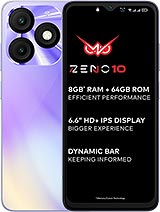
Zeno 10
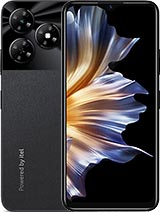
TS Pro
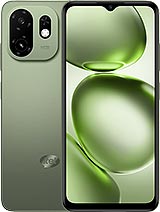
A100C
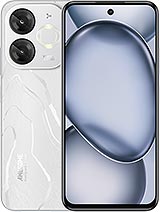
A80
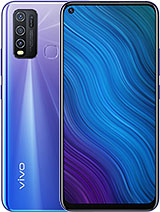
Y50 5G