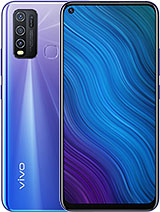
Itel A80 review
The A80 suits students, shift workers, and anyone buying a first or backup phone who prioritizes battery life and durability over screen sharpness or speed. Skip it if you game, edit photos, or multitask heavily—the display and chip will frustrate you within weeks."
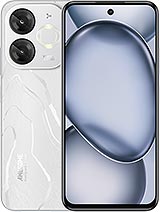
This review is based on Itel’s published specifications and public benchmark data for the Itel A80, and the rating is spec-based. GoSolo does not physically test devices; where we estimate real-world behaviour such as battery life or charge time, we say so. How we rate phones.
Overview
The Itel A80 is a budget phone built for basics: dual SIM, decent battery, and a 120Hz display that looks soft due to its 720p resolution on a 6.7-inch screen. It's a sensible no-frills choice for messaging, streaming, and light use, but the Unisoc T603 chipset and thick bezels reveal its low-end standing plainly.
Design & build
At 8.5 mm thick, the A80 feels slim in hand and pockets, which is the main physical highlight. The body is plastic throughout, unsurprising at this price, and the large 6.7-inch frame makes it a two-handed phone despite the thin profile. Dual SIM is practical for work-life separation or regional travel, and the side-mounted fingerprint sensor is responsive. There is no premium finish, but the matte surfaces and rounded edges do not feel cheap so much as purely functional. For a budget device sold mainly in emerging markets, durability is adequate, though the absence of any splash resistance is a miss even by 2024 budget standards.
Display
The 120Hz refresh is a genuine bonus for everyday smoothness, but the 720p resolution at 262 ppi breaks the illusion instantly. Text looks noticeably soft and pixelated at normal reading distance, and icons lack sharpness. This is the core compromise of the A80: manufacturers squeezed a large screen into a budget phone by cutting pixels. A 6.1-inch 1080p display would have looked crisper, but it would not have fit the marketing claim of a 6.7-inch phone. The 500 nits peak brightness helps in sunlight, and the 20:9 aspect ratio is standard, but the overall look feels dated compared to budget phones that did not skip resolution.
Performance
The Unisoc T603 is entry-level even for budget phones in 2024. Messaging, calls, social media, and video streaming run without lag, and light web browsing is stable. Heavy multitasking—opening many apps at once or switching rapidly between them—causes stuttering, and anything demanding like mobile games will drop frames or require low graphics. The 3 GB RAM variant is noticeably more sluggish than 4 GB, so the 4 GB version is worth the small upcharge if available. For checking email and watching YouTube between work shifts, the phone is fine. For anyone accustomed to a mid-range or flagship, responsiveness feels noticeably dulled.
Software
Android 14 with itel's own OS 14 skin is nearly stock, which keeps clutter low. Updates and security patches have been slow from itel historically, so do not expect monthly patches or rapid OS upgrades. The interface is straightforward, and bloatware is minimal, but long-term software support is a question mark. For a phone in this price range bought by users who keep devices three to four years, that uncertainty is worth noting.
Camera
The 50 MP primary camera is a classic budget-phone spec-sheet inflator. In real use, it produces soft, low-contrast images, especially indoors or in overcast light, and the HDR processing often looks unnatural. The 8 MP selfie camera is serviceable for video calls but uninspiring for photos. Video caps at 1080p@30fps, which is fine for short clips but feels restrictive if you ever want to edit or share longer content. The dual-LED flash helps in dim settings but creates harsh shadows. This is not a phone for photography enthusiasts or content creators; it is a compromise for someone who occasionally needs a photo.
Battery & charging
The 5000 mAh cell easily delivers a full day on moderate use—messaging, social media, some video. Heavy use (constant streaming, gaming, or large file downloads) will drain it by evening, but that is typical for the capacity. Charging speed is not specified in the sheet, though the 10W figure in the metadata suggests slow charging; rivals at this price point now offer 30W or higher, so expect a 2-3 hour charge time from empty. The long battery life is the A80's strongest asset, and it outweighs the slow charging for most buyers.
Value & verdict-context
The Itel A80 sits in the crowded entry-budget segment where price pressure is fierce. It wins on battery endurance and thinness, but loses on display clarity and raw performance compared to some $100–120 rivals that offer better resolution or faster chips. The 128 GB storage with dedicated microSD expansion is practical, and dual SIM appeals to traveling workers or regional users. It is a phone built for people who need durability, long battery life, and basic connectivity over flagship features—no gaming ambitions, no photo pretenses. If your daily phone needs are calls, messaging, and streaming, the A80 delivers without fuss. If you want a sharper screen, snappier performance, or a better camera, look sideways at competitors in the same price band.
Verdict
The A80 suits students, shift workers, and anyone buying a first or backup phone who prioritizes battery life and durability over screen sharpness or speed. Skip it if you game, edit photos, or multitask heavily—the display and chip will frustrate you within weeks."
- 5000 mAh battery handles a full day of moderate use without strain, and the 120Hz refresh keeps scrolling smooth even at this resolution
- Dual SIM and microSD slot keep the phone practical for travel and storage expansion without subscriptions
- 8.5 mm thin chassis fits pockets easily, and the price point makes it genuinely affordable for first-time or secondary phones
- 720p resolution at 262 ppi on a 6.7-inch display means text and icons look visibly pixelated; rivals at this price now start at 720p on smaller screens or 1080p on larger ones
- Unisoc T603 struggles with gaming and multitasking; even casual apps occasionally stutter, and demanding tasks leave the phone feeling sluggish
- 50MP camera looks impressive on paper but produces soft, low-contrast images in most lighting, and 1080p video recording caps out what you can actually do with footage
Itel A80 Key Specifications
The essentials at a glance. See the full spec sheet.
| Released | 2024, September |
|---|---|
| Display | 6.7 inches, 108.4 cm2, IPS LCD, 120Hz, 500 nits (peak) |
| Resolution | 720 x 1600 pixels, 20:9 ratio (~262 ppi density) |
| Chipset | Unisoc T603 |
| RAM & storage | 128GB 3GB RAM, 128GB 4GB RAM |
| Main camera | 50 MP Auxiliary lens |
| Selfie camera | 8 MP |
| Battery | 5000 mAh |
| Software | Android 14, itel OS 14 |
| Dimensions | 8.5 mm thickness |
| Network | GSM / HSPA / LTE |
| NFC | No |
| USB | USB Type-C 2.0 |
Itel A80 FAQ
Common questions, answered from the spec sheet.
Does the A80 support 5G?
No. The A80 tops out at GSM / HSPA / LTE, without 5G.
What chipset does the A80 use?
The A80 runs on the Unisoc T603.
What display does the A80 have?
A 6.7 inches, 108.4 cm2 IPS LCD, 120Hz, 500 nits (peak), 720 x 1600 pixels, 20:9 ratio (~262 ppi density).
How big is the A80 battery?
The A80 has a 5000 mAh battery.
Does the A80 have NFC?
No, the A80 does not list NFC support.
Does the A80 support a microSD card?
Yes, the A80 supports expandable storage (microSDXC (dedicated slot)).
Alternatives to consider
If the A80 isn’t quite right, these are the closest calls.

A06
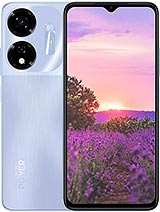
Color Pro 5G
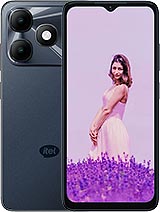
A90 Limited
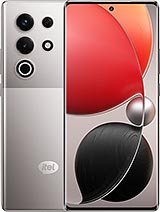
S25 Ultra
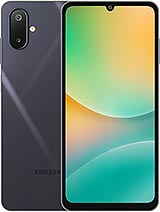
Galaxy M06 5G