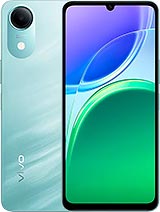
Itel TS Pro review
The TS Pro suits users in cost-conscious markets who prioritize network flexibility, need a headphone jack, and accept that the display will be dim and the battery will not last a full heavy-use day. Anyone who expects all-day battery life or a usable outdoor screen should look for something with better specs, even if it costs a little more.
This review is based on Itel’s published specifications and public benchmark data for the Itel TS Pro, and the rating is spec-based. GoSolo does not physically test devices; where we estimate real-world behaviour such as battery life or charge time, we say so. How we rate phones.
Overview
The Itel TS Pro is a 50 EUR entry-level phone built for calling, texting, and light social media in areas where network coverage matters more than performance. It's honest about its limits—slow, dim, and brief on battery—but there's no pretence here.
Design & build
The TS Pro is a straightforward 188g slab: glass front, plastic frame and back, 9mm thick. It fits a hand without drama and feels light enough for daily carry. The build is plasticky—there is no glass sandwich here—but at 50 EUR this is par for the course. Dual SIM slots are practical, especially for users in regions where network coverage is fragmented or where cost arbitrage matters. Side-mounted fingerprint unlocking works, and the headphone jack is a genuine surprise in 2025; most budget phones have let it go, so its presence here is worth noting.
Display
The 6.52-inch LCD maxes out at 720 by 1600 pixels, which lands at 269 ppi—low density that shows. Text and icons look noticeably soft at arm's length, and the screen struggles with brightness; indoors it's dim, and outdoors in sunlight it becomes hard to read. Colours are muted. This is not a screen for photo browsing or watching video—it handles calls and messaging, but anyone coming from a modern mid-range phone will wince. The 20:9 aspect ratio is tall and narrow, standard now, but it does make the 6.52-inch size feel less imposing than the raw number suggests.
Performance
The Unisoc T603 is an entry-level octa-core paired with 4GB RAM and 64GB storage (expandable via microSD). In practice, this is a call-and-text phone. Messaging apps, social media scrolling, and light browsing work, but multitasking stutters, demanding games lag, and heavy productivity apps feel sluggish. The Unisoc T603 is not a weak chip—it's simply positioned at the bottom of the modern ladder. Load a video editor or open six apps at once and the device shows its limits. For its price and design intent, this is expected; you are not buying a phone to push it. Android 14 runs stable, and there is no bloatware choking the experience, which is good housekeeping.
Camera
The 8MP main sensor with LED flash produces usable shots in daylight outdoors—colours are flat but detail is there. Indoors and in low light, the image gets blurry and grainy fast; the flash helps a little but feels weak. The 5MP selfie is basic and fine for video calls at a stretch. Video recording works but is basic; frame rate and bitrate are modest. Anyone serious about photos should look elsewhere. This camera does the job for quick snaps and proof of life on social media, but do not expect richness.
Battery & charging
The 4000 mAh battery delivers about one day of light use—messaging, some browsing, a few social media checks. Heavy use (streaming, gaming, constant screen time) cuts this to half a day or less. Charging at 10W is glacially slow: expect three to four hours from empty. Planning matters here. If you work in an office with a desk socket or travel with a charger, it is manageable. If you are away from power for a full day or run a high-usage lifestyle, you will feel this constraint. The slow charge speed is the bigger frustration; modern mid-range phones hit 30W or more.
Software & features
Android 14 ships clean. There is no evidence of aggressive bloat or OEM skins that choke the interface. Updates are always a question on budget brands, but Itel has shipped the current major version, which counts. GPS, Bluetooth, and USB Type-C 2.0 are all present and functional. NFC is absent, so no contactless payments, though at this price that is rarely expected. The radio status is unspecified, so FM may or may not be there; this matters less than it once did.
Value & verdict-context
At 50 EUR—roughly 52 USD or equivalent in regional currency—the TS Pro is pitched at users who need a working phone and budget is the hard constraint. The device does not pretend to be fast, pretty, or fun. It calls, it texts, it runs light apps without crashing, and it survives a day of gentle use. The screen is poor, charging is slow, and battery life is honest but modest. Compared to older used flagship phones at similar prices, the TS Pro wins on software support and modern architecture; compared to rivals in the 50-60 EUR bracket, it trades blows on screen quality and battery (some rivals are slower to charge, some faster). The headphone jack and microSD slot matter for users in regions where wireless earbuds are costly or data plans are expensive. The real question is whether you need a phone that will limp through a day on a single charge and be ready to use after a few hours at a socket, or whether you need all-day endurance and a responsive interface. If the former, this phone is honest. If the latter, stretch the budget by 20-30 EUR and buy something with a 5000 mAh battery and faster charging.
Verdict
The TS Pro suits users in cost-conscious markets who prioritize network flexibility, need a headphone jack, and accept that the display will be dim and the battery will not last a full heavy-use day. Anyone who expects all-day battery life or a usable outdoor screen should look for something with better specs, even if it costs a little more.
- Dual SIM and microSD expansion mean flexibility for users who juggle networks or need storage room
- Headphone jack is still here, uncommon in 2025
- Android 14 out of the box, and side-mounted fingerprint works
- Screen is 269 ppi at 6.52 inches—text stays soft, and it's too dim to use outdoors in daylight
- 10W charging takes three to four hours from empty, so a drained battery is a real problem if you're away from a socket
- 4000 mAh battery drops to half a day under heavy use, light use stretches to one day at best
Itel TS Pro Key Specifications
The essentials at a glance. See the full spec sheet.
| Released | 2025, October |
|---|---|
| Display | 6.52 inches, 102.6 cm2 (~81.1% screen-to-body ratio), IPS LCD |
| Resolution | 720 x 1600 pixels, 20:9 ratio (~269 ppi density) |
| Chipset | Unisoc T603 |
| RAM & storage | 64GB 4GB RAM |
| Main camera | 8 MP |
| Selfie camera | 5 MP |
| Battery | 4000 mAh |
| Charging | 10W wired |
| Software | Android 14 |
| Dimensions | 165 x 76.7 x 9 mm (6.50 x 3.02 x 0.35 in) |
| Weight | 188 g (6.63 oz) |
| Build | Glass front, plastic frame, plastic back |
| Network | GSM / HSPA / LTE |
| NFC | No |
| USB | USB Type-C 2.0 |
Itel TS Pro FAQ
Common questions, answered from the spec sheet.
Does the TS Pro support 5G?
No. The TS Pro tops out at GSM / HSPA / LTE, without 5G.
What chipset does the TS Pro use?
The TS Pro runs on the Unisoc T603.
What display does the TS Pro have?
A 6.52 inches, 102.6 cm2 (~81.1% screen-to-body ratio) IPS LCD, 720 x 1600 pixels, 20:9 ratio (~269 ppi density).
How big is the TS Pro battery?
The TS Pro has a 4000 mAh battery. Charging is rated at 10W wired.
Does the TS Pro have NFC?
No, the TS Pro does not list NFC support.
Does the TS Pro support a microSD card?
Yes, the TS Pro supports expandable storage (microSDXC).
Does the TS Pro have a headphone jack?
Yes, the TS Pro has a 3.5mm headphone jack.
Alternatives to consider
If the TS Pro isn’t quite right, these are the closest calls.
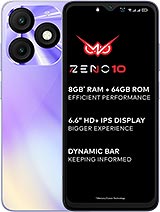
Zeno 10
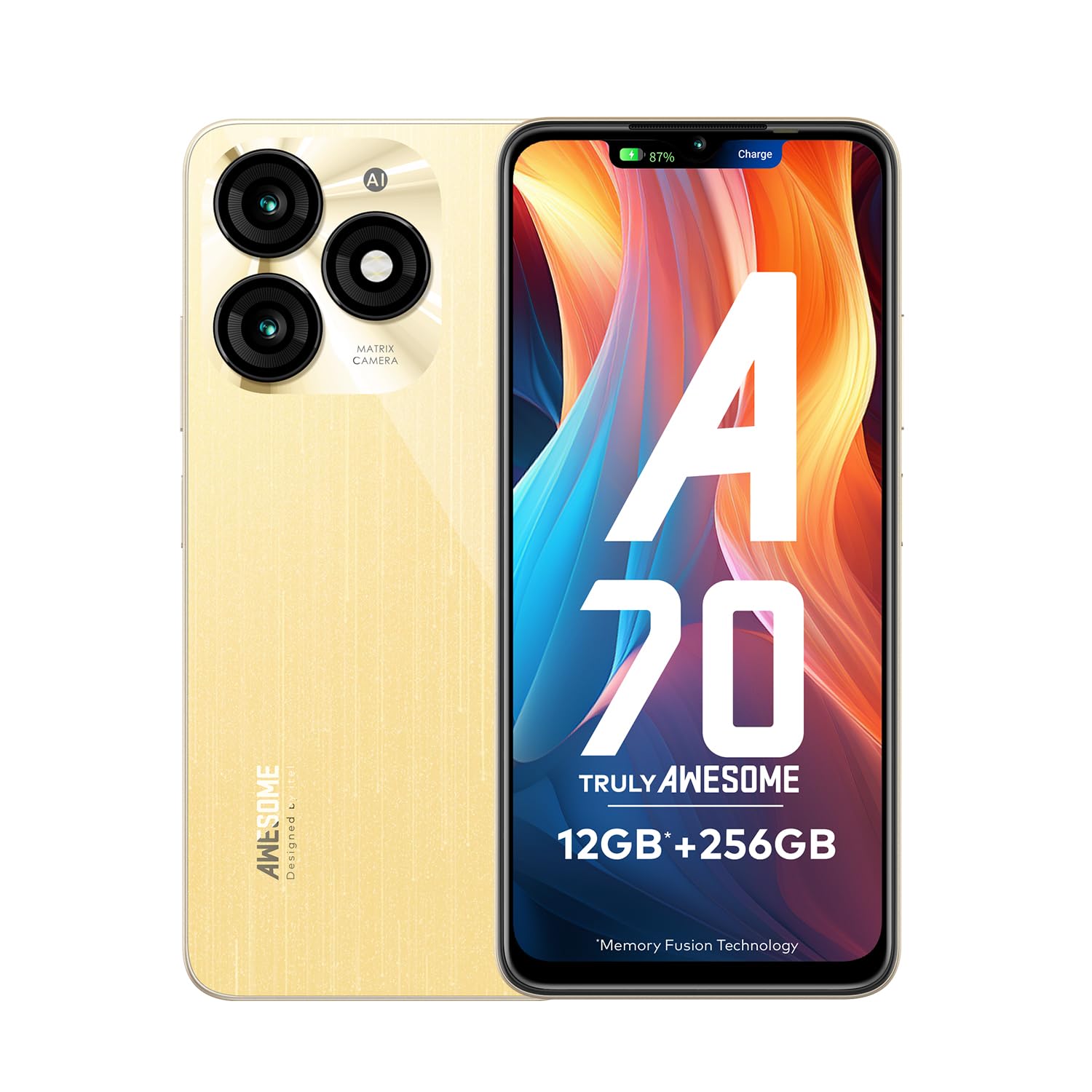
A70 Pro
A100 Pro
A100C
Play 70C