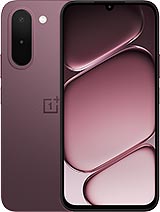
Itel Zeno 20 review
This phone suits someone in a market with unreliable power who needs reliable calling, messaging, and casual internet without worrying about dropping it or finding a charger daily. It is not for anyone who expects snappy performance, sharp text, or fast charging—look at a slightly more expensive option in that case.
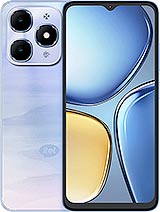
This review is based on Itel’s published specifications and public benchmark data for the Itel Zeno 20, and the rating is spec-based. GoSolo does not physically test devices; where we estimate real-world behaviour such as battery life or charge time, we say so. How we rate phones.
Overview
The Zeno 20 is a lightweight budget phone built around a long battery and daylight usability rather than speed or camera range. At 60 EUR, it is honest work for users in markets where spotty power and network coverage matter more than processing grunt.
Design & Build
At 187 grams and 8.6 mm thick, the Zeno 20 is genuinely light. The IP54 rating protects against dust and water splashes without rugging the phone up into a tank. The side-mounted fingerprint sensor is practical and responsive. You get dual SIM out of the box, a USB Type-C port (albeit USB 2.0), and a headphone jack—choices that matter in markets where tethering and wired audio are still everyday tools. Nothing here screams quality, but the materials feel adequate for the price, and the phone doesn't demand a case to survive normal use.
Display
The 6.6-inch, 90Hz IPS LCD is a mixed draw. The 90Hz refresh makes scrolling noticeably smoother than the typical 60Hz budget fare, and 1500 nits peak brightness means you can actually read it in direct sun. The 480 nits typical brightness is fine for indoors. But 720p on a 6.6-inch screen (267 ppi) is the trade-off: text, UI icons, and photos lack the sharpness you'd expect from anything but the cheapest phones. It is functional, not sharp. For streaming videos or casual browsing, you won't spend hours squinting; for any text-heavy work, the softness becomes apparent within minutes.
Performance
The Unisoc T7100 is entry-level silicon built for basic tasks. Calling, messaging, and light browsing run without apparent lag. Video streaming at 720p is fine. The 4GB RAM variant (the 3GB version is an obvious corner) helps with app switching, though the OS is Android 14 Go edition, which is stripped lean for low-end hardware. The moment you ask for anything sustained—juggling multiple open apps, playing any game beyond Candy Crush, or using heavy social media—the phone stalls. This is not a phone for multitasking, and treating it as one will frustrate you quickly. But if your life is calls, texts, and occasional web searches, it does the job.
Software
Android 14 Go edition is purpose-built for this class: lighter, faster on weak hardware, and less of a memory and battery drain than stock Android. The itel OS customization layer is thin, and the phone will likely receive at least one major Android update (if Itel's track record holds). This is not a cutting-edge experience, but it is practical. The OS does not try to be fancy; it just tries not to get in your way.
Camera
The 13 MP main sensor with LED flash and HDR is competent in daylight and adequate for casual photos. The 1080p video at 30 fps handles basic recording without drama. Indoors or in dim light, the sensor struggles visibly—images become noisy and details wash out. There is no optical zoom, no telephoto, and no ultrawide, so distant subjects are lost. The 5 MP selfie is functional for video calls but not for portrait shots. This camera is honest about its limits: good enough for proof-of-life shots and family videos, not for anything artistic or detailed.
Battery & Charging
The 5000 mAh battery paired with the Go edition OS and efficient T7100 delivers genuine battery life. Expect about 1.5 to 2 days with light use (calling, messaging, moderate browsing). Heavy streaming drains it to empty in roughly a day, which is still respectable for a budget phone. The real weak point is the 15W wired charging, which takes roughly 2 to 2.5 hours to full—a slow crawl by 2025 standards. Budget phones at this price now commonly hit 30W or 40W. If you cannot charge overnight or have a fast charger habit, this phone will test your patience. There is no wireless charging, which few at this price offer anyway.
Value & Verdict
At 60 EUR, the Zeno 20 is fairly priced for what it is: a do-one-thing-well phone designed around reliability, battery endurance, and resilience. It does not pretend to be a gaming device, a camera phone, or a speed machine. It is durable, light, and straightforward in a way that appeals to users who value battery comfort and practical durability over processing power or display refinement. The 90Hz display and dual SIM push it slightly ahead of comparable entry-level rivals that would otherwise feel invisible. The slow charging and soft display are the concrete frustrations most buyers will face.
Verdict
This phone suits someone in a market with unreliable power who needs reliable calling, messaging, and casual internet without worrying about dropping it or finding a charger daily. It is not for anyone who expects snappy performance, sharp text, or fast charging—look at a slightly more expensive option in that case.
- 5000 mAh battery with efficient Go edition OS delivers real comfort on a single charge for calls, messaging, and light browsing
- IP54 rating and light 187 g weight make it genuinely pocketable and resilient to dust and splashes without bulk
- 90Hz display and dual SIM add small but genuine conveniences at this price—most rivals at 60 EUR stick to 60Hz or only one SIM
- Dedicated microSD slot with USB Type-C 2.0 and OTG support give you actual flexibility to expand storage and tether
- 15W charging is slow by current standards, taking roughly 2 to 2.5 hours to full and making quick-top-ups impractical
- 720p resolution at 6.6 inches leaves text and icons noticeably soft compared to even modest mid-range competitors
- Unisoc T7100 struggles with any sustained load—multitasking stalls, games lag, and app switching feels sluggish
Itel Zeno 20 Key Specifications
The essentials at a glance. See the full spec sheet.
| Released | 2025, August 23 |
|---|---|
| Display | 6.6 inches, 104.6 cm2, IPS LCD, 90Hz, 480 nits (typ), 1500 nits (peak) |
| Resolution | 720 x 1612 pixels, 20:9 ratio (~267 ppi density) |
| Chipset | Unisoc T7100 |
| RAM & storage | 64GB 3GB RAM, 128GB 4GB RAM |
| Main camera | 13 MP |
| Selfie camera | 5 MP |
| Battery | 5000 mAh |
| Charging | 15W wired |
| Software | Android 14 (Go edition), itel OS 14 |
| Dimensions | 8.6 mm thickness |
| Weight | 187 g (6.60 oz) |
| Durability | IP54 dust protected and water resistant (water splashes) |
| Network | GSM / HSPA / LTE |
| NFC | No |
| USB | USB Type-C 2.0, OTG |
Itel Zeno 20 FAQ
Common questions, answered from the spec sheet.
Does the Zeno 20 support 5G?
No. The Zeno 20 tops out at GSM / HSPA / LTE, without 5G.
What chipset does the Zeno 20 use?
The Zeno 20 runs on the Unisoc T7100.
What display does the Zeno 20 have?
A 6.6 inches, 104.6 cm2 IPS LCD, 90Hz, 480 nits (typ), 1500 nits (peak), 720 x 1612 pixels, 20:9 ratio (~267 ppi density).
How big is the Zeno 20 battery?
The Zeno 20 has a 5000 mAh battery. Charging is rated at 15W wired.
Does the Zeno 20 have NFC?
No, the Zeno 20 does not list NFC support.
Is the Zeno 20 water resistant?
The Zeno 20 carries a IP54 dust protected and water resistant (water splashes) rating.
Does the Zeno 20 support a microSD card?
Yes, the Zeno 20 supports expandable storage (microSDXC (dedicated slot)).
Does the Zeno 20 have a headphone jack?
Yes, the Zeno 20 has a 3.5mm headphone jack.
Alternatives to consider
If the Zeno 20 isn’t quite right, these are the closest calls.
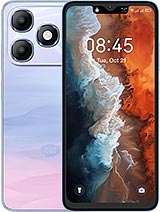
Zeno 20 Max
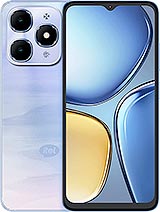
Zeno 5G+
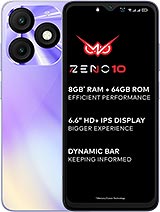
Zeno 10
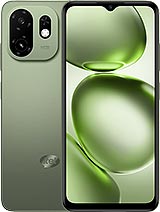
Zeno 100
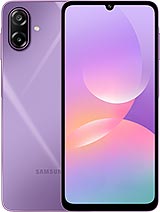
Galaxy M17e