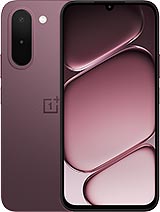
Itel Zeno 300 review
This is an honest budget phone for people who primarily message, call, and browse light content. Anyone expecting snappy performance, a sharp display, or decent photography should spend a little more and find a better match.
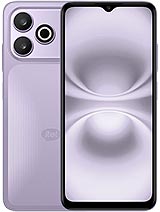
This review is based on Itel’s published specifications and public benchmark data for the Itel Zeno 300, and the rating is spec-based. GoSolo does not physically test devices; where we estimate real-world behaviour such as battery life or charge time, we say so. How we rate phones.
Overview
The Itel Zeno 300 is a straightforward entry-level phone aimed at basic daily use and heavy messaging traffic. For its €100 price, it delivers adequate specs—a large screen, long battery life, and dual SIM support—but the low-resolution display and anemic processor mean nothing here will feel quick.
Design & build
Itel has left dimensions and weight off the spec sheet, which is unfortunate for a buying decision, but the MIL-STD-810H compliance suggests some ruggedness—though the fine print wisely says this doesn't guarantee survival in extreme use. You're looking at a phone that likely feels basic: plastic, probably unremarkable, and acceptable if you're not fussy about feel. The color palette—Lavender Purple, Silver Mist, Classic Black—is bland but not offensive. Dual nano-SIM support is practical for anyone working across regions or carriers without needing an eSIM.
Display
Here's the sticking point. The 6.56-inch IPS LCD is large, which sounds generous, but at 720 by 1612 pixels that works out to just 269 pixels per inch. For comparison, smartphone norms today sit well above 400 ppi. Text edges are visibly soft, icons lack sharpness, and photos look noticeably flatter than they actually are. The 90Hz refresh does smooth scrolling when it happens, but it doesn't fix the fact that you're viewing everything through a screen that feels one or two years behind. This is a display that functions; it doesn't impress.
Performance
The Unisoc T7100 octa-core at 1.8 GHz paired with 4GB of RAM is entry-level silicon, full stop. It handles calling, messaging, and light web browsing without crashing. Heavier tasks—streaming video, multitasking, running social media without lag—invite noticeable slowness. Android 16 (Go edition) is optimized for exactly this hardware, which helps keep things functional, but responsiveness is sluggish by today's standards. If you're upgrading from a feature phone or a years-old model, the jump will feel significant. If you're moving from anything modern, expect to temper expectations. Gaming is a non-starter; even light games will stutter.
Software
Android 16 Go edition is built for low-end devices and does the job of keeping bloat minimal and boot times reasonable. You get the essentials—Gmail, Maps, Chrome, and the Google Play Store are all available—but the OS itself feels constrained. Updates are guaranteed for a shorter window on Go devices, and you're reliant on Itel's update schedule, which historically has been patchy for ultra-budget phones. This isn't a dealbreaker for someone who just needs WhatsApp and calling, but it's worth knowing you're in the shallow end of the software support pool.
Camera
An 8MP main camera with LED flash and a 5MP selfie are the bare minimum for a 2026 phone at any price. Results are predictable: daylight shots are acceptable if you're not expecting detail, but indoor and low-light photos turn muddy and lose definition fast. The lack of computational photography tricks means there's no night mode magic, no smart HDR—what you shoot is what you get. Video maxes out at 1080p at 30fps, which is standard for entry phones but increasingly looks dated as even budget rivals push 4K. If photography matters at all, this isn't your phone.
Battery & charging
The 6000 mAh battery is genuinely useful. On light use—messaging, calling, modest social media—expect two full days without charging. Even moderate use will push you to around a day and a half, which is solid for this class. The 18W charging speed is respectable and takes around two hours for a full fill from empty. There's no wireless charging, but nobody at this price expects it. This is one area where Itel has clearly made a sensible trade-off: a larger battery over thinness, and it shows.
Value & verdict
At about €100, the Zeno 300 positions itself against similarly stripped phones from Xiaomi, Realme, and Samsung's own A-series. For that money, you're buying a device that works reliably for calls, texts, and light app use. The battery life is genuinely strong, microSD expansion is there, and dual SIM support is practical. What you lose is any sharpness in the display, any snappiness in performance, and any camera capability beyond the absolute basics. This phone doesn't pretend to be more than it is, and that's actually its saving grace. It's not trying to punch above its weight or falsely promise a flagship experience. If you need a sturdy, no-nonsense second phone or a first smartphone for someone who doesn't demand speed or image quality, this delivers. If you want to feel like your money has gone toward a device that won't feel behind after a few months, look for something with a sharper screen and a better chipset, even if you spend another €30–50.
Verdict
This is an honest budget phone for people who primarily message, call, and browse light content. Anyone expecting snappy performance, a sharp display, or decent photography should spend a little more and find a better match.
- 6000 mAh battery will comfortably last two days of light use or carry a full workday even for heavier users
- Dual nano-SIM slots suit travelers or those juggling multiple numbers without the phone swap
- MicroSD slot allows practical expansion beyond the tight 64GB base storage
- 18W charging is respectable for the price tier and battery capacity
- 269 ppi on a 6.56-inch screen makes text noticeably soft; squinting is frequent for anyone used to modern phones
- Unisoc T7100 and 4GB RAM make everyday apps sluggish—switching tasks, loading social media, and open-heavy work like Google Sheets will test your patience
- 8MP camera captures dim photos indoors and lacks the dynamic range for mixed lighting; 1080p video at 30fps feels dated alongside 4K peers at this price
Itel Zeno 300 Key Specifications
The essentials at a glance. See the full spec sheet.
| Released | 2026, September 25 |
|---|---|
| Display | 6.56 inches, 103.4 cm2, IPS LCD, 90Hz |
| Resolution | 720 x 1612 pixels, 20:9 ratio (~269 ppi density) |
| Chipset | Unisoc T7100 |
| RAM & storage | 64GB 4GB RAM |
| Main camera | 8 MP |
| Selfie camera | 5 MP |
| Battery | 6000 mAh |
| Software | Android 16 (Go edition) |
| Durability | MIL-STD-810H compliant* * does not guarantee ruggedness or use in extreme conditions |
| Network | GSM / HSPA / LTE |
| NFC | No |
| USB | USB Type-C |
Itel Zeno 300 FAQ
Common questions, answered from the spec sheet.
Does the Zeno 300 support 5G?
No. The Zeno 300 tops out at GSM / HSPA / LTE, without 5G.
What chipset does the Zeno 300 use?
The Zeno 300 runs on the Unisoc T7100.
What display does the Zeno 300 have?
A 6.56 inches, 103.4 cm2 IPS LCD, 90Hz, 720 x 1612 pixels, 20:9 ratio (~269 ppi density).
How big is the Zeno 300 battery?
The Zeno 300 has a 6000 mAh battery.
Does the Zeno 300 have NFC?
No, the Zeno 300 does not list NFC support.
Is the Zeno 300 water resistant?
The Zeno 300 carries a MIL-STD-810H compliant* * does not guarantee ruggedness or use in extreme conditions rating.
Does the Zeno 300 support a microSD card?
Yes, the Zeno 300 supports expandable storage (microSDXC).
Alternatives to consider
If the Zeno 300 isn’t quite right, these are the closest calls.
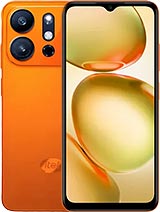
Zeno 100 Pro
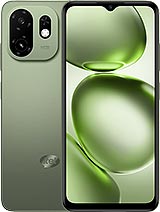
Zeno 100
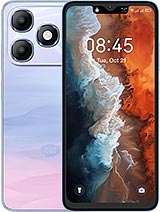
Zeno 20 Max
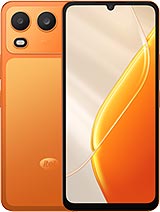
Zeno 200
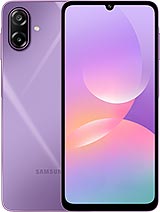
Galaxy M17e